


Sterigmatocystin: Toxin Stirring Worry
Understanding Sterigmatocystin
Sterigmatocystin is a harmful substance made by certain molds, like those in damp buildings, spoiled grains, or contaminated foods. It sneaks into our environment and diet, often without notice. As a psychologist focused on emotional health and body signals, I see how such hidden threats disrupt both physical well-being and inner peace.
This mycotoxin stands out for its close link to aflatoxins, known troublemakers in food safety. Recent studies highlight its dangers, comparing it directly to more famous toxins.
Key Health Impacts
At its core, sterigmatocystin attacks vital organs:
- Liver damage: It triggers oxidative stress, breaking down cells and promoting inflammation. Over time, this raises the risk of serious issues like cancer.
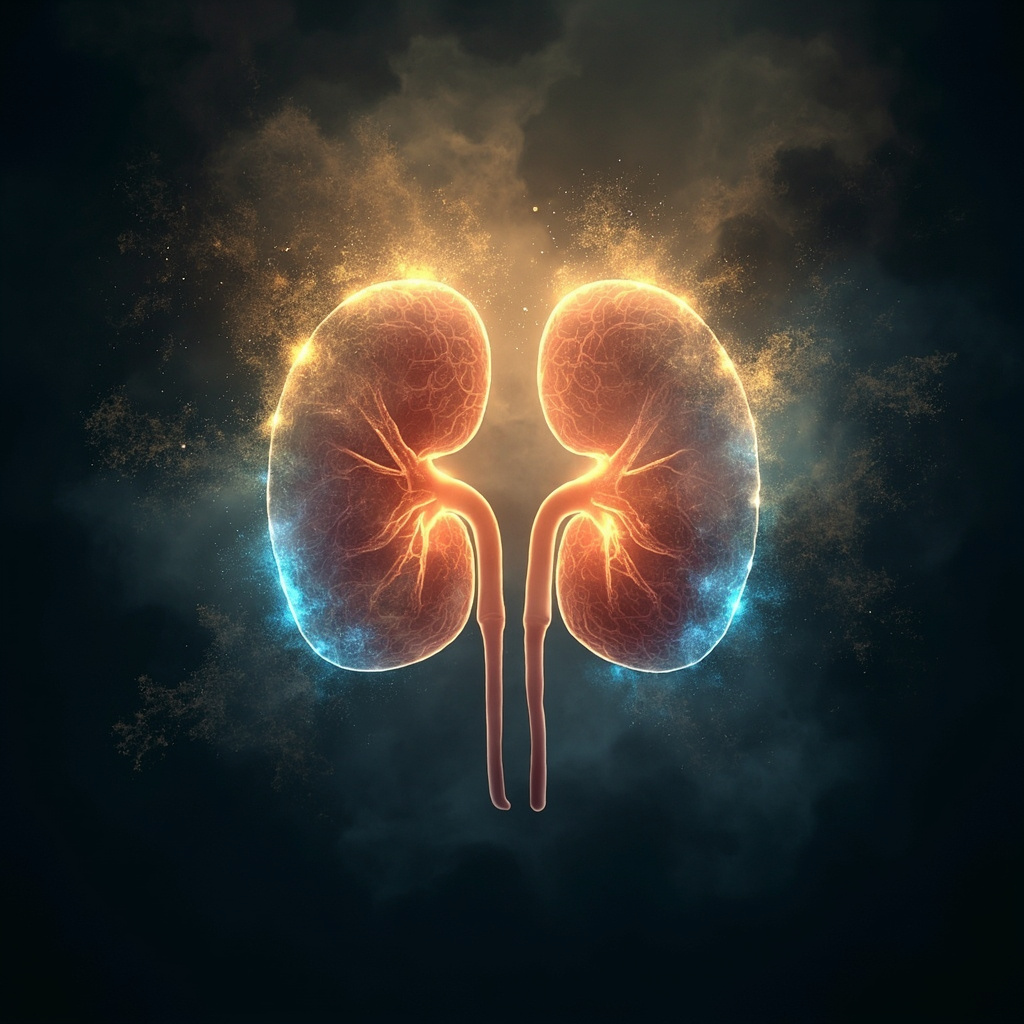
- Kidney strain: Filters suffer, leading to potential toxicity buildup.
- DNA harm: The toxin alters genetic material, a pathway to long-term disease.
These effects come from mold growth in everyday places-think stored grains, nuts, coffee, or water-damaged homes. Even low levels pose risks, weakening immunity and overall vitality.
Symptoms might include fatigue, digestive upset, or vague aches, often mistaken for stress alone.
Emotional Ties to the Toxin
Beyond the body, sterigmatocystin stirs the mind. Learning about its presence-or sensing unexplained health dips-can spark fear of illness, anxiety over hidden dangers, and frustration from elusive sources. Mycotoxins like this contribute to broader mood shifts: worry about long-term effects, unease in contaminated spaces, even cognitive fog.
In my work with stress biomarkers and heart rate variability (HRV), I notice patterns. High agitation or low resilience often aligns with toxin loads. The body under threat signals emotional overload-restless thoughts, health obsessions, or a nagging sense of vulnerability. Mold exposure links to neuropsychiatric symptoms, amplifying stress responses and hindering emotional regulation.
When It Serves as a Resource
Interestingly, addressing sterigmatocystin can become a strength. By focusing on it, we foster emotional balance and reduce health-related fears. It supports liver and kidney function, easing the body's burden and promoting a feeling of safety.
In assessments of electrical body activity, this toxin's biomarkers reveal its energy levels, agitation, and connections. High activity flags priorities; balanced states highlight resources.
Explore the full glossary entry.
Paths to Balance
To counter its influence:
- Environment check: Reduce mold in homes-fix leaks, ventilate, store food dry.
- Diet awareness: Choose fresh grains, nuts; avoid suspect sources.
- Emotional tools: Mindfulness grounds worry; track HRV for resilience gains. Breathing exercises calm agitation tied to toxin stress.
- Body support: Antioxidant-rich foods aid detox; relaxation boosts regulation.
Tracking progress with biomarkers shows real shifts-lower stress, steadier mood. As a psychologist, I guide clients here: pair physical insights with mind-body practices for lasting calm.
Sterigmatocystin reminds us of invisible links between surroundings, body, and emotions. Awareness empowers renewal.
- 1. preprints.org
- 2. mdpi.com
- 3. mdpi.com
- 4. gpmoldinspection.com
- 5. neuroscienceresearchinstitute.com
- 6. news-medical.net
- 7. sciencedirect.com
- 8. mdpi.com
- 9. facebook.com
- 10. pubmed.ncbi.nlm.nih.gov
- 11. instagram.com
- 12. theholistichealing.org
- 13. healthmatters.io
- 14. pmc.ncbi.nlm.nih.gov
- 15. pmc.ncbi.nlm.nih.gov
- 16. researchgate.net
- 17. esmed.org
- 18. indoordoctor.com
- 19. pubs.acs.org
- 20. vibrant-wellness.com
- 21. amymyersmd.com
- 22. medium.com
- 23. pmc.ncbi.nlm.nih.gov
- 24. probiologists.com
- 25. holplus.co
- 26. researchgate.net
- 27. farmacy.com
- 28. fdpmoldremediation.com
- 29. instagram.com
- 30. who.int
- 31. sciencedirect.com
- 32. facebook.com
- 33. baynaturalmedicine.com
- 34. ift.org
- 35. dralexischesney.com
- 36. sciencedirect.com
Related posts
Glossary
- Energy and mind Structures > Regulation
- Energy and mind Structures > Peace
- Energy and mind Structures > Immunity
- Energy and mind Structures > Sterigmatocystin (mycotoxin) 4.
- Energy and mind Structures > Organs
- TCM Recipes > Digestive Relief: A Simple Guide to Ease Bloating & Indigestion
- TCM Recipes > Liver Health: A TCM Recipe for Balance and Calm
- TCM Recipes > Kidney Health: Boost Energy and Relieve Back Pain
- TCM Recipes > Heart Health: Remedies for Anxiety and Palpitations
- TCM Recipes > Boost Your Energy: A TCM Recipe for Fatigue Relief
- Energy and mind Structures > vitality
- Energy and mind Structures > toxins
- Energy and mind Structures > Vital organs
- Energy and mind Structures > Stress
- Stimuli > IGF1, Growth
- Stimuli > Cancer
- Stimuli > Moon - Nasal Passage, Breathing, Taste
- Binaural beats > Inflammation Relief: Heal Faster with Binaural Beats
see also...
- Energy and mind Structures > HRV
- Energy and mind Structures > TCM Recipes > Tension Headache Relief: A Natural Approach to Ease Stress
- Testimonials > 61% Drop in Nausea and 58% in Headaches from Sound Therapy
- Binaural beats > Stimuli > Moon - Nasal Passage, Breathing, Taste
- Binaural beats > Desensitizer: Boost Your Energy and Focus Effectively