


Sterigmatocystin: Mycotoxin and Inner Worry
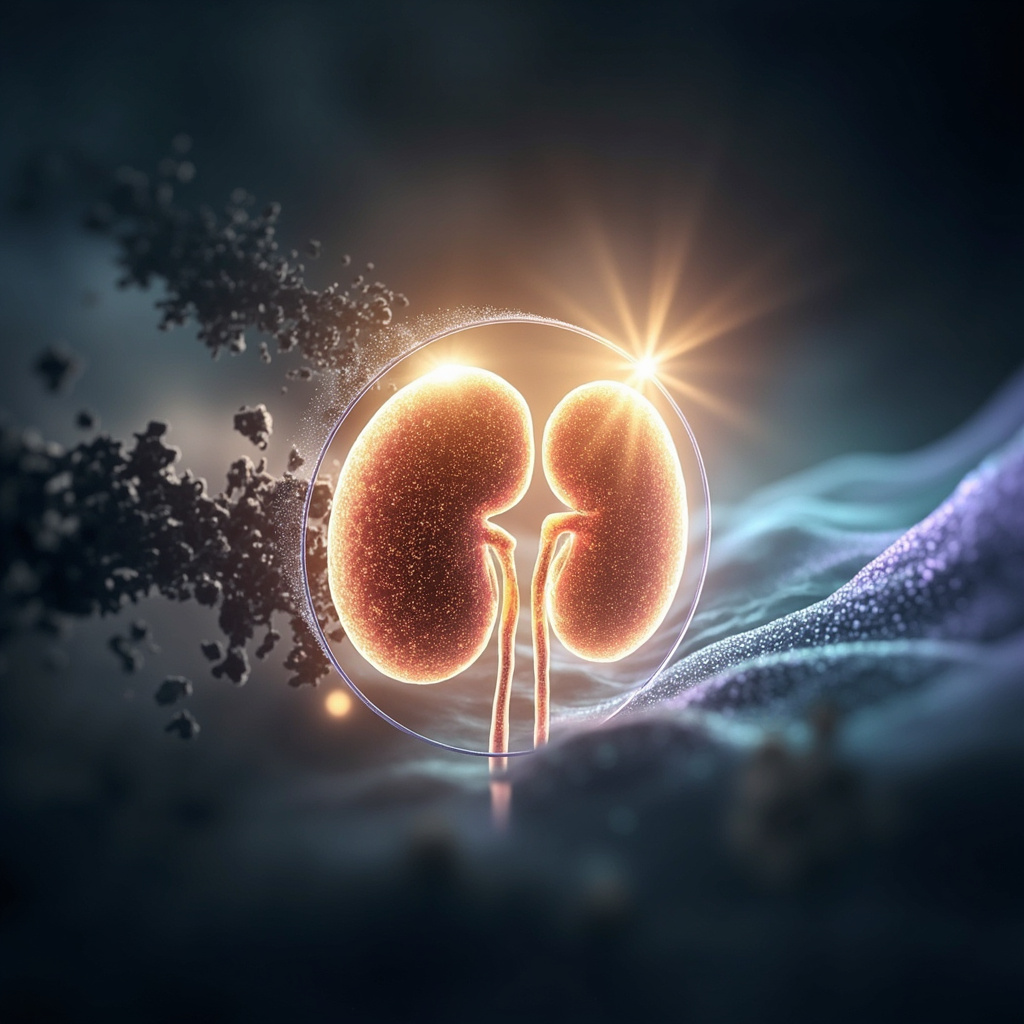
Understanding Sterigmatocystin
Sterigmatocystin is a harmful substance produced by certain molds that grow on foods like grains, nuts, and coffee. This mycotoxin, as scientists call it, sneaks into everyday items and can quietly affect your body. It mainly targets the liver and kidneys, two key organs that filter toxins and keep your system running smoothly. When present, it disrupts normal cell functions by blocking protein production and creating oxidative stress – think of it as rust forming inside your body from unstable molecules.
In simple terms, exposure often happens through contaminated food or damp environments where mold thrives. Recent studies show it's found in cereals and processed grains at low levels, raising concerns for long-term health. Learn more about Sterigmatocystin (mycotoxin) 1.
Physical Health Effects
The main worry with sterigmatocystin is its toxicity to the liver. It can lead to inflammation, reduced function, and in severe cases, contribute to more serious issues like cell damage. Kidneys may also suffer, struggling to clear waste. Common signs include:
- Fatigue and low energy
- Digestive discomfort, like nausea or poor appetite
- Yellowing of the skin or eyes in extreme cases
- General feelings of unwellness
These effects build over time, especially with repeated low-level exposure. Research highlights its role similar to aflatoxins, known for liver risks.
The Emotional Side: Fear and Anxiety
As a psychologist, I see strong links between body signals and emotions. Sterigmatocystin doesn't just harm organs; it can stir fear, anxiety, and concern about health. Why? Your body senses the threat, triggering stress responses. This might show as:
- Restless thoughts about getting sick
- Heightened worry over diet or environment
- Sleep issues from nagging unease
- Emotional ups and downs tied to physical tiredness
Mycotoxins like this one are linked to broader mood changes. Studies note connections to depression, anxiety, and even cognitive fog in mold-exposed people. The liver, often called the seat of emotions in holistic views, plays a role here – when burdened, it affects your sense of security.
Spotting It in Your Life
You might not notice mold right away, but clues include:
- Musty smells in home or pantry
- Spots on grains, bread, or nuts
- Persistent tiredness despite rest
- Unexplained anxiety spikes
Check stored foods and living spaces for dampness. Blood tests or environmental checks can confirm exposure, but awareness starts with observation.
Turning It into a Resource for Balance
Interestingly, recognizing sterigmatocystin patterns can empower you. When addressed, it offers insights into liver and kidney health. Use it as a guide to:
- Boost detox habits: Eat liver-friendly foods like greens, beets, and lemon water.
- Practice mindfulness: Short daily breathing to calm fear responses.
- Build resilience: Track mood and energy to see progress.
As a resource, it teaches prevention – store food dry, choose fresh produce, and ventilate spaces. Emotionally, facing it reduces worry, fostering trust in your body's wisdom.
Steps for Emotional Regulation
- Monitor Stress: Note when anxiety peaks; link to meals or settings.
- HRV Awareness: Heart rate variability reflects stress resilience – simple apps help track.
- Relaxation Tools: Guided breathing or walks in fresh air ease agitation.
- Seek Support: Talk to pros if worry persists.
By tuning into these signals, you reclaim calm. Progress shows in steadier moods and vitality.
Path to Resilience
Sterigmatocystin reminds us: Small threats can amplify emotionally, but knowledge calms them. Prioritize clean eating, dry homes, and inner practices. Your liver and mind thank you with clarity and peace. Track changes over weeks for real shifts in well-being.
- 1. link.springer.com
- 2. food.gov.uk
- 3. probiologists.com
- 4. ri.conicet.gov.ar
- 5. pubmed.ncbi.nlm.nih.gov
- 6. vibrant-wellness.com
- 7. sciencedirect.com
- 8. facebook.com
- 9. publicnow.com
- 10. pubmed.ncbi.nlm.nih.gov
- 11. courtneysnydermd.com
- 12. pubmed.ncbi.nlm.nih.gov
- 13. ift.org
- 14. jillcarnahan.com
- 15. pubmed.ncbi.nlm.nih.gov
- 16. frontiersin.org
- 17. pubmed.ncbi.nlm.nih.gov
- 18. sciencedirect.com
- 19. sciencedirect.com
- 20. pubmed.ncbi.nlm.nih.gov
- 21. mdpi.com
- 22. heiditoyfunctionalmedicine.com
- 23. pmc.ncbi.nlm.nih.gov
- 24. pubmed.ncbi.nlm.nih.gov
- 25. pubmed.ncbi.nlm.nih.gov
- 26. pubmed.ncbi.nlm.nih.gov
- 27. mdpi.com
- 28. thehealingcollective.us
- 29. news-medical.net
- 30. pubmed.ncbi.nlm.nih.gov
- 31. theholistichealing.org
- 32. indoordoctor.com
- 33. link.springer.com
- 34. pubmed.ncbi.nlm.nih.gov
- 35. grassrootsfunctionalmedicine.com
- 36. pubmed.ncbi.nlm.nih.gov
- 37. peakintegrativemed.com
- 38. lidsen.com
Related posts
Glossary
- Energy and mind Structures > Water
- Energy and mind Structures > Security
- Energy and mind Structures > Peace
- Energy and mind Structures > Sterigmatocystin (mycotoxin) 1.
- Body zones > kidneys
- Body zones > senses
- Body zones > eyes
- Energy and mind Structures > Organs
- TCM Recipes > Skin Health: Remedies for Acne and Eczema
- TCM Recipes > Digestive Relief: A Simple Guide to Ease Bloating & Indigestion
- TCM Recipes > Liver Health: A TCM Recipe for Balance and Calm
- TCM Recipes > Kidney Health: Boost Energy and Relieve Back Pain
- TCM Recipes > Heart Health: Remedies for Anxiety and Palpitations
- TCM Recipes > Boost Your Energy: A TCM Recipe for Fatigue Relief
- Energy and mind Structures > sleep
- Energy and mind Structures > vitality
- Energy and mind Structures > toxins
- Energy and mind Structures > Stress
- Stimuli > Lemon
- Stimuli > Moon - Nasal Passage, Breathing, Taste
- Binaural beats > Inflammation Relief: Heal Faster with Binaural Beats
- Stimuli > Lead
- Stimuli > Blood
see also...
- Energy and mind Structures > HRV
- Energy and mind Structures > Body zones > eyes
- Energy and mind Structures > TCM Recipes > Tension Headache Relief: A Natural Approach to Ease Stress
- Testimonials > 61% Drop in Nausea and 58% in Headaches from Sound Therapy
- Binaural beats > Stimuli > Variolinum
- Binaural beats > Desensitizer: Boost Your Energy and Focus Effectively