


Vital Organs: Emotional Balance Keys
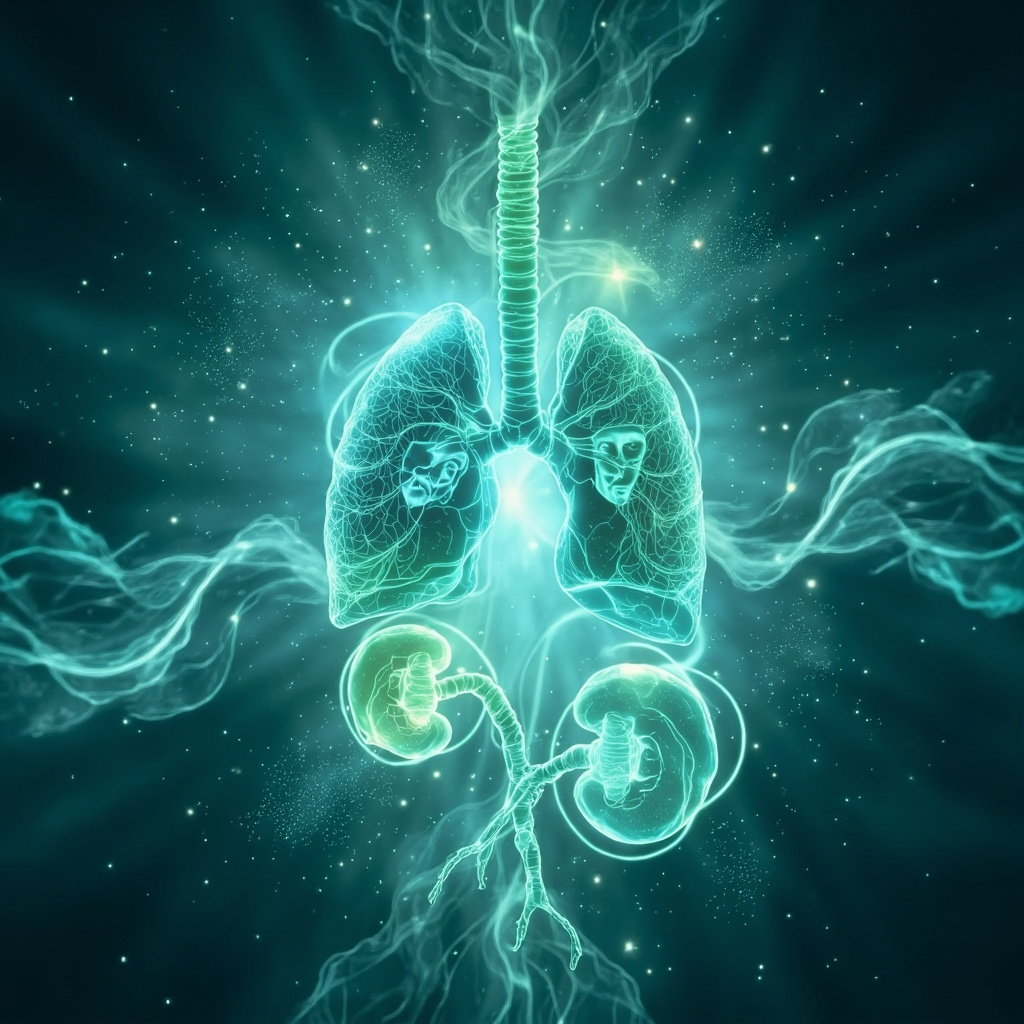
Guardians of Life and Energy
Vital organs, such as the heart, liver, kidneys, and lungs, keep us alive by handling essential tasks like pumping blood, filtering waste, and breathing oxygen. In ancient systems like Ayurveda, they form a group called Vital organs, focused on sustaining life force and smooth energy flow. When balanced, they promote strong health and steady emotions.
These organs do more than physical work. They reflect our inner state. High stress or unresolved feelings can disrupt their rhythm, leading to fatigue or unease. As a psychologist, I see this often: tense emotions show up in body signals, like changes in heart rate patterns.
Stress Hits the Heart Hard
A recent study from UC Davis Health found that everyday stresses – like noise or poor sleep – trigger inflammation in heart cells. This happens through tiny protein groups that spark harmful reactions, raising risks for heart issues. The research used animal models to mimic real-life pressures, showing quick changes in heart function after just 10 days.
This matters because the heart links body and mind. In Ayurveda, aspects like Sadhaka Pitta connect heart activity to processing emotions and memories. Weak balance here brings anxiety, low mood, or trouble moving past negativity.
Emotions Shape Organ Health
Our feelings influence these organs daily:
- Heart: Bears the load of worry or anger, affecting its beat and blood flow.
- Liver: Tied to frustration; overload leads to tension buildup.
- Kidneys: Respond to fear, impacting energy reserves.
- Lungs: Hold grief, making breaths feel heavy.
Heart rate variability (HRV) measures this link. Good HRV shows flexible responses to stress, a sign of emotional strength. Low HRV flags agitation or poor regulation, often seen in clients with chronic tension.
When vital organs act as a resource, they fuel resilience. Picture calling on your heart's steady rhythm during tough times – it calms the mind and steadies the body. If a priority, gentle focus shifts attention to restore flow.
Signs of Imbalance
Watch for these clues:
- Persistent tiredness despite rest.
- Mood swings or irritability.
- Digestive upset or shallow breathing.
- Trouble focusing amid calm.
These signal the need for support. Track patterns over time for real progress.
Paths to Balance
Restore harmony with simple steps:
- Breathing exercises: Slow inhales calm the heart and lungs.
- Mindful walks: Nature eases liver tension.
- Daily reflection: Journal emotions to lighten kidney burden.
- Relaxation: Short meditations build HRV.
Combine with healthy habits: balanced meals, good sleep, and positive connections. Over weeks, organs regain vitality, emotions stabilize.
In my work, clients see shifts in stress biomarkers after focusing here. Vital organs sustain not just life, but joyful living. Tune in to yours for deeper well-being.
- 1. ayurveda-badems.com
- 2. banyanbotanicals.com
- 3. pmc.ncbi.nlm.nih.gov
- 4. sohumhealing.com
- 5. who.int
- 6. journals.sagepub.com
- 7. knowledgecommons.lakeheadu.ca
- 8. sciencedirect.com
- 9. mapi.com
- 10. journals.lww.com
- 11. heartmath-europe.com
- 12. mdpi.com
- 13. washingtonpost.com
- 14. ovid.com
- 15. pmc.ncbi.nlm.nih.gov
- 16. sciencedirect.com
- 17. pubmed.ncbi.nlm.nih.gov
- 18. sciencedirect.com
- 19. hotelcaesiusterme.com
- 20. weforum.org
- 21. nature.com
- 22. svasthaayurveda.com
- 23. kottakkal.shop
- 24. pmc.ncbi.nlm.nih.gov
- 25. pmc.ncbi.nlm.nih.gov
- 26. health.ucdavis.edu
- 27. frontiersin.org
- 28. firststepschiropractic.com
- 29. health.ucdavis.edu
- 30. pranamyra.com
- 31. onlinelibrary.wiley.com
- 32. pmc.ncbi.nlm.nih.gov
- 33. frontiersin.org
- 34. bch.org
- 35. cdc.gov
- 36. facebook.com
- 37. news.emory.edu
- 38. scitechnol.com
- 39. pmc.ncbi.nlm.nih.gov
- 40. journals.physiology.org
Related posts
Glossary
- Energy and mind Structures > oxygen
- Energy and mind Structures > Focused Coherence; Focus
- Energy and mind Structures > Regulation
- Energy and mind Structures > Grief
- Body zones > kidneys
- Body zones > lungs
- Energy and mind Structures > Organs
- Energy and mind Structures > Pitta
- TCM Recipes > Digestive Relief: A Simple Guide to Ease Bloating & Indigestion
- TCM Recipes > Liver Health: A TCM Recipe for Balance and Calm
- TCM Recipes > Kidney Health: Boost Energy and Relieve Back Pain
- TCM Recipes > Heart Health: Remedies for Anxiety and Palpitations
- TCM Recipes > Boost Your Energy: A TCM Recipe for Fatigue Relief
- Energy and mind Structures > sleep
- Energy and mind Structures > vitality
- Energy and mind Structures > Vital organs
- Energy and mind Structures > Sadhaka; Nervous system, senses
- Energy and mind Structures > Stress
- Stimuli > Moon - Nasal Passage, Breathing, Taste
- Binaural beats > Inflammation Relief: Heal Faster with Binaural Beats
- Stimuli > Harmony
- Stimuli > Blood
see also...
- Energy and mind Structures > HRV
- Energy and mind Structures > Body zones > amino acids
- Energy and mind Structures > TCM Recipes > Tension Headache Relief: A Natural Approach to Ease Stress
- Testimonials > 61% Drop in Nausea and 58% in Headaches from Sound Therapy
- Binaural beats > Stimuli > Variolinum
- Binaural beats > Desensitizer: Boost Your Energy and Focus Effectively