


Sterigmatocystin 4: Mycotoxin Harming Liver & Sleep
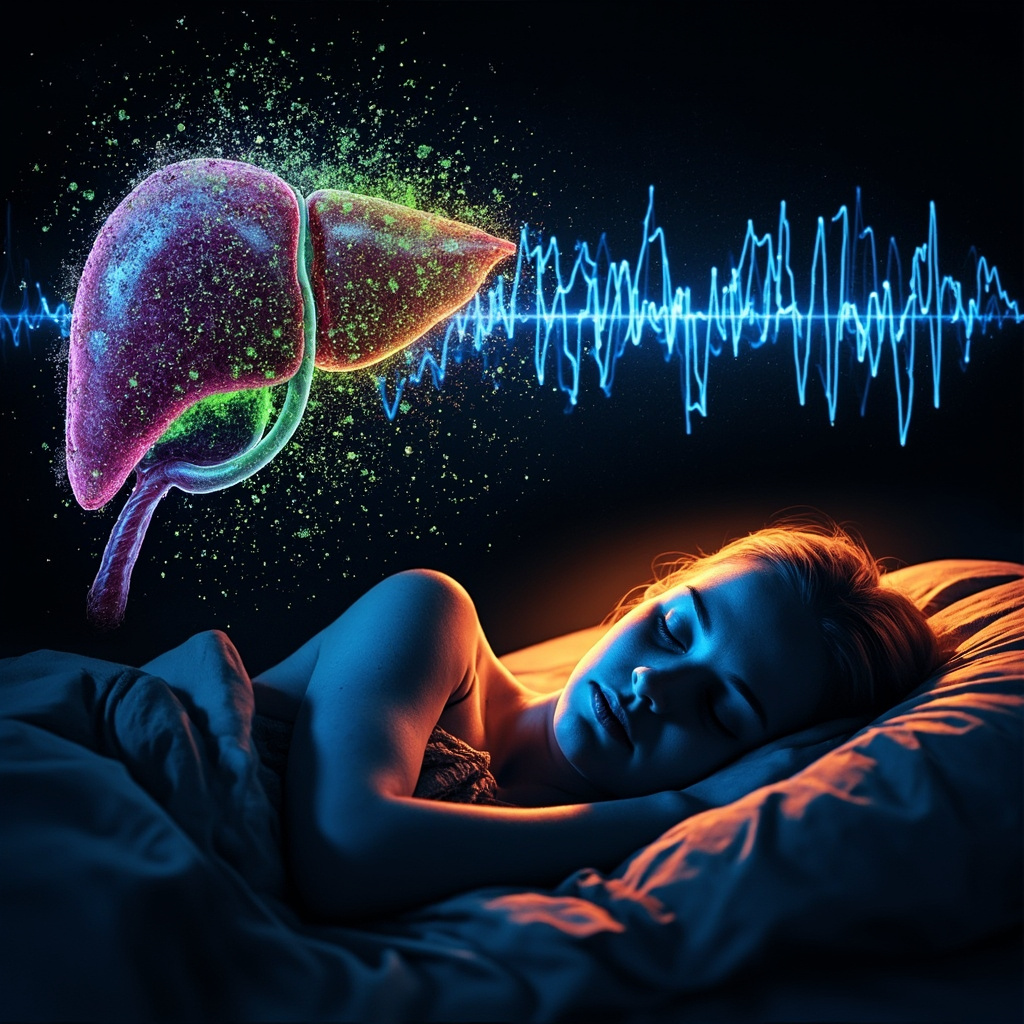
Understanding Sterigmatocystin (Mycotoxin) 4
Sterigmatocystin is a harmful toxin produced by certain molds, like those in the Aspergillus family. It sneaks into our environment through damp buildings, spoiled grains, or contaminated foods. In the body, it targets the liver and kidneys, causing damage through oxidative stress and DNA harm. This can lead to serious long-term issues, including cancer risks. For more details, see the glossary entry.
This mycotoxin is version 4 in our assessments, highlighting specific patterns in electrical activity biomarkers that reveal its presence and impact.
Health Effects on Liver and Kidneys
The liver works hard to detoxify the body, especially at night during sleep. When sterigmatocystin invades, it overwhelms this organ:
- Causes inflammation and cell damage.
- Triggers oxidative stress, unbalancing free radicals.
- Leads to potential scarring or worse, liver disease.
Kidneys suffer too, struggling to filter out the toxin, which builds up and strains filtration systems. Over time, this duo of organ stress contributes to fatigue and weakened immunity.
Connection to Poor Sleep
Your liver's nighttime detox routine is key to deep sleep and recovery. Disruptions from toxins like sterigmatocystin throw off this rhythm:
- Cortisol spikes: The body stays in fight-or-flight mode, blocking relaxation.
- HRV imbalance: Heart rate variability drops, signaling poor autonomic nervous system balance needed for restful phases.
- Circadian disruption: Toxin-induced inflammation interferes with melatonin production and sleep cycles.
People exposed often report waking frequently, shallow breathing, or unrefreshing sleep. Breathing patterns become erratic, mimicking sleep apnea symptoms without obvious causes.
Studies link chronic liver strain to insomnia and daytime drowsiness, creating a vicious cycle where poor sleep worsens detox, amplifying toxin effects.
Emotional and Mental Impact
Beyond physical harm, sterigmatocystin stirs negative emotions:
- Fear and anxiety about health, as liver issues hint at hidden dangers.
- Frustration from unexplained fatigue and mood dips.
- Unease from contamination worries in daily life.
These feelings raise stress hormones, further sabotaging sleep. Low energy restoration leaves you irritable, with erratic moods blocking calm.
Turning It Into a Resource
When balanced, sterigmatocystin markers can become allies:
- Promotes emotional balance, easing health-related worries.
- Supports liver and kidney vitality, enhancing nighttime detox.
- Fosters safety and well-being, aiding deeper recovery.
Focus on it as a priority to guide inner work toward healing. As a resource, it strengthens resilience against toxins.
Signs to Watch For
Common indicators of sterigmatocystin influence:
- Persistent tiredness despite rest.
- Digestive discomfort or yellowing skin (liver alert).
- Night sweats or vivid dreams signaling detox overload.
- Heightened worry or stress at bedtime.
Track your sleep biomarkers like relaxation levels and energy recovery to spot patterns.
Practical Steps for Better Sleep
Address potential exposure:
- Check home for mold in humid areas; use dehumidifiers.
- Choose fresh, stored-dry foods; avoid grains in damp conditions.
- Support liver with hydration, bitter greens, and rest.
- Practice deep breathing to boost HRV and parasympathetic calm.
- Wind down with dim lights to align circadian rhythm.
Consistent routines rebuild vitality. Prioritizing these shifts toxin load, paving the way for restorative sleep.
By understanding sterigmatocystin 4, you reclaim control over deep recovery. Better liver health means profound rest and renewed energy.
- 1. researchgate.net
- 2. frontiersin.org
- 3. sciencedirect.com
- 4. hammer.purdue.edu
- 5. cabidigitallibrary.org
- 6. pmc.ncbi.nlm.nih.gov
- 7. liver.org.au
- 8. pmc.ncbi.nlm.nih.gov
- 9. oaktrust.library.tamu.edu
- 10. peakintegrativemed.com
- 11. pmc.ncbi.nlm.nih.gov
- 12. pmc.ncbi.nlm.nih.gov
- 13. pmc.ncbi.nlm.nih.gov
- 14. pmc.ncbi.nlm.nih.gov
- 15. pmc.ncbi.nlm.nih.gov
- 16. academic.oup.com
- 17. mdpi.com
- 18. farmacy.com
- 19. mdpi.com
- 20. elsevier.es
- 21. pmc.ncbi.nlm.nih.gov
- 22. pmc.ncbi.nlm.nih.gov
- 23. thewellnessway.com
- 24. drbeckycampbell.com
- 25. sciencedirect.com
- 26. pmc.ncbi.nlm.nih.gov
- 27. youtube.com
- 28. mdpi.com
- 29. pmc.ncbi.nlm.nih.gov
- 30. mosaicdx.com
- 31. pmc.ncbi.nlm.nih.gov
- 32. pmc.ncbi.nlm.nih.gov
- 33. researchgate.net
- 34. pubmed.ncbi.nlm.nih.gov
- 35. enviromicro-journals.onlinelibrary.wiley.com
- 36. pubmed.ncbi.nlm.nih.gov
- 37. sinusitiswellness.com
- 38. pmc.ncbi.nlm.nih.gov
- 39. pmc.ncbi.nlm.nih.gov
- 40. semanticscholar.org
Related posts
Glossary
- Energy and mind Structures > Mental
- Energy and mind Structures > Immunity
- Energy and mind Structures > Sterigmatocystin (mycotoxin) 4.
- Body zones > hormones
- Body zones > parasympathetic
- TCM Recipes > Skin Health: Remedies for Acne and Eczema
- TCM Recipes > Digestive Relief: A Simple Guide to Ease Bloating & Indigestion
- TCM Recipes > Liver Health: A TCM Recipe for Balance and Calm
- TCM Recipes > Kidney Health: Boost Energy and Relieve Back Pain
- TCM Recipes > Heart Health: Remedies for Anxiety and Palpitations
- TCM Recipes > Boost Your Energy: A TCM Recipe for Fatigue Relief
- Energy and mind Structures > sleep
- Energy and mind Structures > vitality
- Energy and mind Structures > toxins
- Energy and mind Structures > Stress
- Stimuli > Cancer
- Stimuli > Moon - Nasal Passage, Breathing, Taste
- Binaural beats > Inflammation Relief: Heal Faster with Binaural Beats
- Binaural beats > Scarring: Healing Body and Emotions Linked to Scars
- Binaural beats > Nervous System: A Program for Emotional Balance and Relaxation
- Stimuli > Apnea
- Stimuli > Lead
- Stimuli > Melatonin
see also...
- Energy and mind Structures > HRV
- Energy and mind Structures > Body zones > plasma
- Energy and mind Structures > TCM Recipes > Tension Headache Relief: A Natural Approach to Ease Stress
- Binaural beats > Stimuli > Melatonin
- Binaural beats > Transmutation: A Sound Journey for Personal Change
- Testimonials > 61% Drop in Nausea and 58% in Headaches from Sound Therapy