


Sterigmatocystin: Mycotoxin Threat to Liver and Sleep
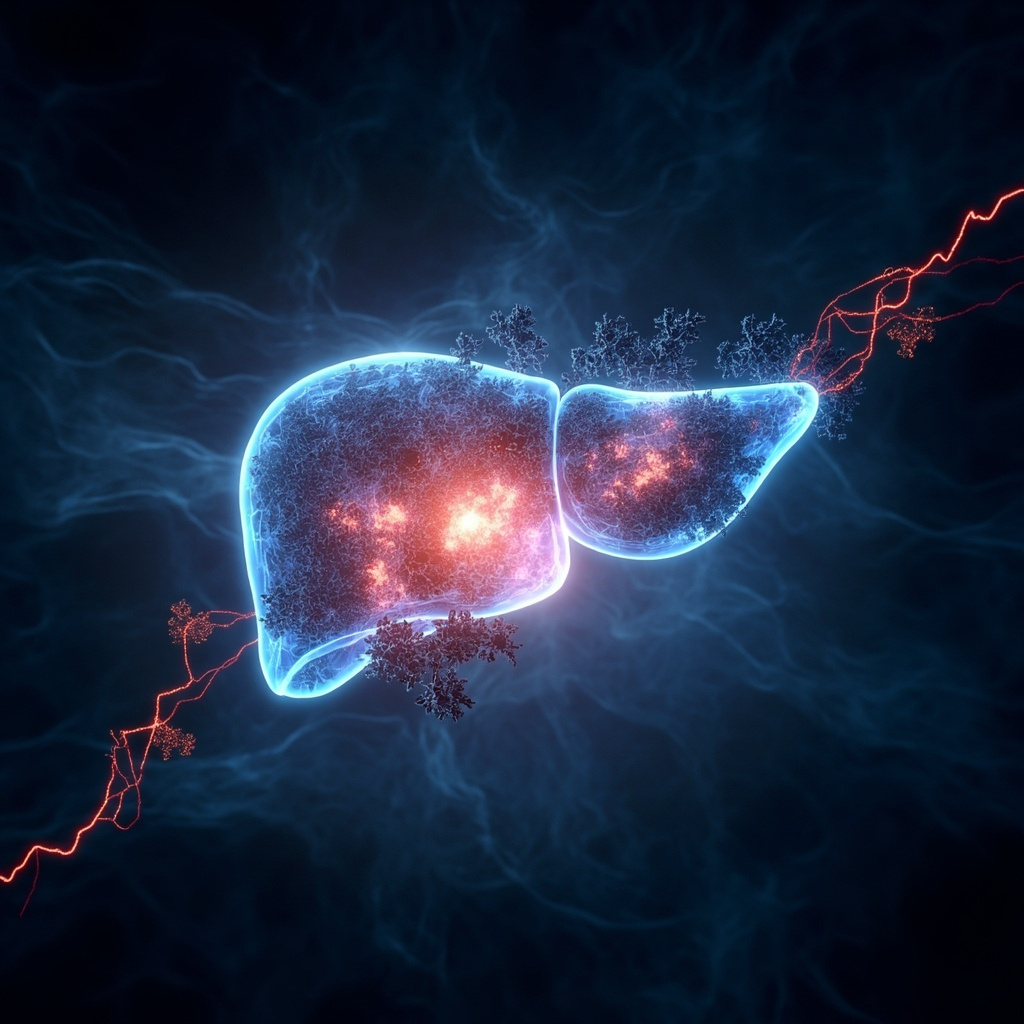
Understanding Sterigmatocystin
Sterigmatocystin is a harmful substance made by certain molds, like Aspergillus versicolor, often found in damp homes or on spoiled food. It acts as a mycotoxin, a poison from fungi that can enter your body through inhalation or ingestion. In our bodies, it mainly targets the liver and kidneys, causing damage over time.
This toxin inhibits protein production and creates oxidative stress-think of it as rust building up inside cells, leading to inflammation and harm. While not as famous as some toxins, research shows it poses real risks, including potential cancer links.
Physical Effects on the Body
The liver, your body's main filter, bears the brunt. Sterigmatocystin overloads it, slowing detox processes and weakening its function. Kidneys suffer too, as the toxin spreads, impairing filtration and balance.
Chronic exposure leads to fatigue, digestive issues, and weakened immunity. In animals, it causes organ damage and diarrhea. For humans, long-term risks include liver disease.
- Liver toxicity: Blocks cell repair, sparks inflammation.
- Kidney strain: Reduces waste removal efficiency.
- Oxidative damage: Harms cells body-wide.
How It Steals Your Sleep
Poor liver health ripples into rest. Toxins disrupt circadian rhythms, your body's internal clock for sleep-wake cycles. Recent studies link mycotoxins to clock gene interference, causing irregular melatonin and cortisol-key sleep hormones.
Inflamed organs raise stress signals, lowering heart rate variability (HRV), a marker of recovery. Low HRV means shallow sleep, frequent wakes, and unrefreshing nights. Neuroinflammation from toxins activates the brain's alert mode, mimicking chronic stress.
Mold toxins like this fuel insomnia by inflaming the nervous system. You might toss with racing thoughts or wake exhausted, despite hours in bed.
Emotional Shadows
Beyond body harm, sterigmatocystin stirs unease. Its toxic nature evokes fear and anxiety, as subconscious awareness of threat heightens worry. You may feel on edge, irritable, or dread nights alone with thoughts.
Research ties mycotoxins to mood dips, with brain inflammation fueling depression-like states. Anxiety spikes cortisol, blocking deep sleep stages where true healing happens.
From Threat to Tool: The Resource Angle
View sterigmatocystin as a signal. Sterigmatocystin (mycotoxin) 1 appears in body electrical scans as a biomarker, revealing its energy state and body links. High agitation flags imbalance; calm resonance supports detox.
As a resource, it guides liver-kidney care:
- Boost awareness of mold sources.
- Promote emotional calm to ease fear.
- Align habits for better rhythms.
Spot the Signs and Act
Watch for:
- Unexplained fatigue despite rest.
- Night wakes or light sleep.
- Liver-area discomfort post-meals.
- Heightened anxiety without cause.
Steps for recovery:
- Check home for damp spots; use dehumidifiers.
- Eat liver supporters: beets, greens, antioxidants.
- Practice evening breaths: 4-7-8 pattern for HRV boost.
- Dim lights early to sync circadian clock.
- Track sleep patterns; note improvements.
Restoring balance quiets this toxin, paving deep sleep. Small shifts in awareness and routine reclaim vitality.
(Word count: 612)
- 1. amymyersmd.com
- 2. facebook.com
- 3. mdpi.com
- 4. search.proquest.com
- 5. bioavailablend.substack.com
- 6. altheahealthandwellness.com
- 7. facebook.com
- 8. adsvitality.com
- 9. coherence.today
- 10. coherence.today
- 11. sleepandsinuscenters.com
- 12. link.springer.com
- 13. pubmed.ncbi.nlm.nih.gov
- 14. pmc.ncbi.nlm.nih.gov
- 15. boulderholistic.com
- 16. mdpi.com
- 17. cabidigitallibrary.org
- 18. pmc.ncbi.nlm.nih.gov
- 19. instagram.com
- 20. lidsen.com
- 21. mdpi.com
- 22. farmacy.com
- 23. cdn.asp.events
- 24. pmc.ncbi.nlm.nih.gov
- 25. researchgate.net
- 26. mosaicdx.com
- 27. frontiersin.org
- 28. theholistichealing.org
- 29. consciousspaces.com
- 30. mdpi.com
- 31. sciencedirect.com
- 32. researchgate.net
- 33. pmc.ncbi.nlm.nih.gov
- 34. en.wikipedia.org
- 35. mastcell360.com
Related posts
Glossary
- Energy and mind Structures > Clock
- Energy and mind Structures > Immunity
- Energy and mind Structures > Sterigmatocystin (mycotoxin) 1.
- Body zones > hormones
- Body zones > kidneys
- Energy and mind Structures > Organs
- TCM Recipes > Digestive Relief: A Simple Guide to Ease Bloating & Indigestion
- TCM Recipes > Liver Health: A TCM Recipe for Balance and Calm
- TCM Recipes > Brain Boost: Clear Fog, Improve Focus & Memory
- TCM Recipes > Boost Your Energy: A TCM Recipe for Fatigue Relief
- Energy and mind Structures > sleep
- Energy and mind Structures > vitality
- Energy and mind Structures > toxins
- Energy and mind Structures > Stress
- Stimuli > Cortisol
- Stimuli > Cancer
- Binaural beats > Inflammation Relief: Heal Faster with Binaural Beats
- Binaural beats > Nervous System: A Program for Emotional Balance and Relaxation
- Stimuli > Melatonin
see also...
- Energy and mind Structures > HRV
- Energy and mind Structures > Body zones > kidneys
- Energy and mind Structures > TCM Recipes > Tension Headache Relief: A Natural Approach to Ease Stress
- Testimonials > 61% Drop in Nausea and 58% in Headaches from Sound Therapy
- Binaural beats > Stimuli > Melatonin
- Binaural beats > Transmutation: A Sound Journey for Personal Change