


脑-心脏-神经:中医和谐的关键
The Essential Connection
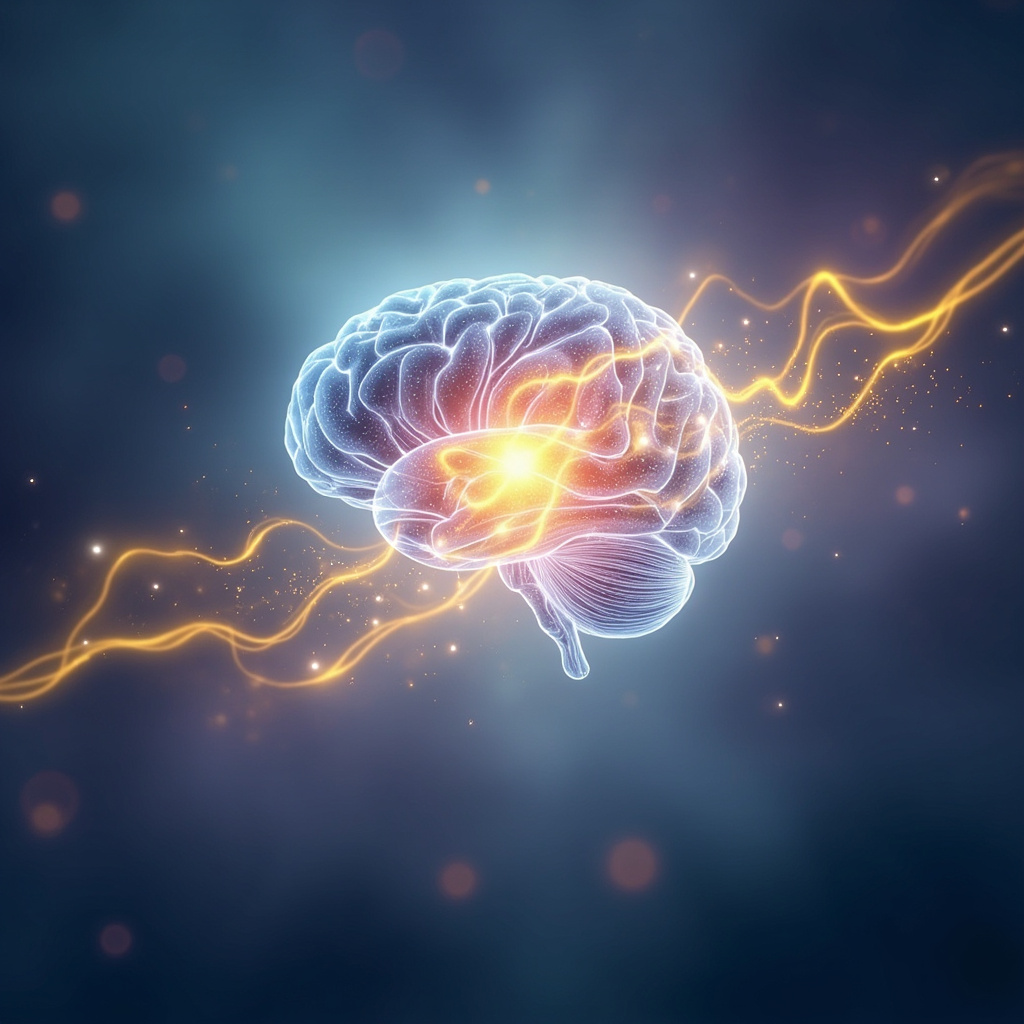
Your brain, heart, and nervous system form a vital network that influences every thought, feeling, and bodily function. Recent research shows that simple practices like meditation can change brain patterns in as little as seven days, improving focus, reducing pain, and strengthening immunity. This aligns closely with Traditional Chinese Medicine (TCM) principles, where harmony among these centers ensures smooth qi flow-the life energy that keeps us balanced.
In TCM, disruptions here lead to issues like stress, foggy thinking, or restless sleep. By nurturing their balance, we support overall well-being. For deeper insights, see the glossary on brain-heart-nervous system.
Heart: Seat of Shen and Emotions
The heart in TCM is more than a pump; it houses shen, your spirit and consciousness. A calm heart brings joy, clear decisions, and emotional stability. When qi stagnates, you might feel anxiety or palpitations.
- Strong heart shen fosters compassion and intuition.
- Imbalance links to overthinking or insomnia.
- Linked to the fire element, it influences circulation and vitality.
Supporting the heart smooths emotional waves, much like steady breathing in meditation calms the mind.
Brain: Marrow and Essence Hub
The brain draws from kidney essence, governing memory, intelligence, and coordination. In TCM, it's the sea of marrow, nourished by rest and proper fluids.
- Healthy brain essence sharpens focus and creativity.
- Deficiency shows as dizziness, poor concentration, or aging signs.
- Ties to the water element, supporting long-term vitality.
Practices that build essence, such as gentle movement, mirror how frequencies in sound therapy enhance neural pathways.
Nervous System: Meridians in Action
The nervous system channels qi through meridians, connecting body and mind. It responds to stress like wind scattering leaves, causing tension or fatigue.
- Balanced nerves promote restful sleep and quick reflexes.
- Blockages lead to numbness, worry, or hyperactivity.
- Relates to wood element for flexibility and growth.
TCM views nerves as bridges for yin-yang equilibrium, easing the shift between action and rest.
Harmony Through Subtle Energies
In holistic views like Ayurveda, subdoshas for these areas boost mental clarity, emotional balance, and neurological function. When strong, they transfer energy to other organs, uplifting the whole body.
TCM echoes this: Aligning five elements-wood for nerves, fire for heart, water for brain-restores flow. Emotions play a key role; unresolved grief burdens lungs and heart, while anger tightens liver and nerves.
Signs of Imbalance
- Brain: Forgetfulness, headaches.
- Heart: Restlessness, chest tightness.
- Nerves: Tingling, insomnia, irritability.
Paths to Balance
- Breath work: Slow inhales activate parasympathetic rest.
- Gentle herbs: Formulas like those calming shen soothe the heart.
- Acupoints: Press heart meridian points for quick calm.
- Daily rhythm: Align with nature's cycles for yin nourishment.
As a Resource for Well-Being
When these centers thrive, they become powerful resources. Mental clarity cuts through confusion, emotional balance builds resilience, and strong neurological function energizes daily life. Energy flows outward, aiding digestion, immunity, and rejuvenation.
Recent studies on meditation confirm this: Brainwaves shift rapidly, promoting coherence between heart rhythms and neural activity. In TCM terms, this is qi resonating in harmony, opening meridians for healing.
Cultivate this by tuning into your inner flow. Start with five minutes of focused breathing daily-feel the connection deepen. Your body knows the way back to balance.
- 1. euronews.com
- 2. youtube.com
- 3. utsouthwestern.edu
- 4. facebook.com
- 5. revolutionhealth.org
- 6. meditationmusiclibrary.com
- 7. news.vumc.org
- 8. sciencedaily.com
- 9. bpspubs.onlinelibrary.wiley.com
- 10. nacfl.com
- 11. pubs.acs.org
- 12. pmc.ncbi.nlm.nih.gov
- 13. easyayurveda.com
- 14. nature.com
- 15. instagram.com
- 16. healthline.com
- 17. pmc.ncbi.nlm.nih.gov
- 18. medicalxpress.com
- 19. sciencedirect.com
- 20. banyanbotanicals.com
- 21. topdoctormagazine.com
- 22. jacc.org
- 23. ayurveda-badems.com
- 24. instagram.com
- 25. pubmed.ncbi.nlm.nih.gov
- 26. iaminharmony.com
- 27. dovepress.com
- 28. webmd.com
- 29. hms.harvard.edu
- 30. nature.com
- 31. kottakkal.shop
- 32. science.howstuffworks.com
- 33. frontiersin.org
- 34. pmc.ncbi.nlm.nih.gov
- 35. news.mit.edu
相关文章
术语表
- 能量和思维结构 > 专注的连贯性;焦点
- 能量和思维结构 > 火
- 能量和思维结构 > 水
- 能量和思维结构 > 悲伤
- 能量和思维结构 > 记忆
- 能量和思维结构 > 浓度
- 能量和思维结构 > 免疫力
- 能量和思维结构 > 经络
- 身体区域 > 肺部
- 身体区域 > 神经
- 身体区域 > 副交感神经的
- 身体区域 > 胸部
- 能量和思维结构 > 器官
- 中医食谱 > 循环:提升能量并温暖您的四肢
- 中医食谱 > 肝脏健康:平衡与宁静的中医食谱
- 中医食谱 > 心脏健康:焦虑和心悸的疗法
- 中医食谱 > 大脑增强:清除雾霭,改善注意力和记忆力
- 中医食谱 > 提升你的能量:缓解疲劳的中医食谱
- 能量和思维结构 > 睡眠
- 能量和思维结构 > 活力
- 能量和思维结构 > 液体
- 能量和思维结构 > 平衡
- 能量和思维结构 > 运动
- 能量和思维结构 > 大脑,心脏,神经系统
- 能量和思维结构 > 消化
- 能量和思维结构 > Theta; 4.31-6.97 Hz。轻度睡眠,冥想。
- 能量和思维结构 > 压力
- 刺激 > IGF1,生长
- 刺激 > 月亮 - 鼻腔,呼吸,味觉
- 刺激 > 疼痛
- 双耳节拍 > 神经系统:情感平衡与放松程序
- 刺激 > 铅
- 刺激 > 和谐
see also...
- 能量和思维结构 > 心率变异性
- 能量和思维结构 > 身体区域 > 黑质
- 能量和思维结构 > 中医食谱 > 缓解紧张性头痛:减轻压力的自然方法
- Testimonials > 声音疗法导致恶心下降61%和头痛下降58%
- 双耳节拍 > 刺激 > 骶骨、锌等
- 双耳节拍 > 转变:个人变化的声音之旅