


エシェリヒア・コリ 2: 腸の楽さと静けさのためのヨガ
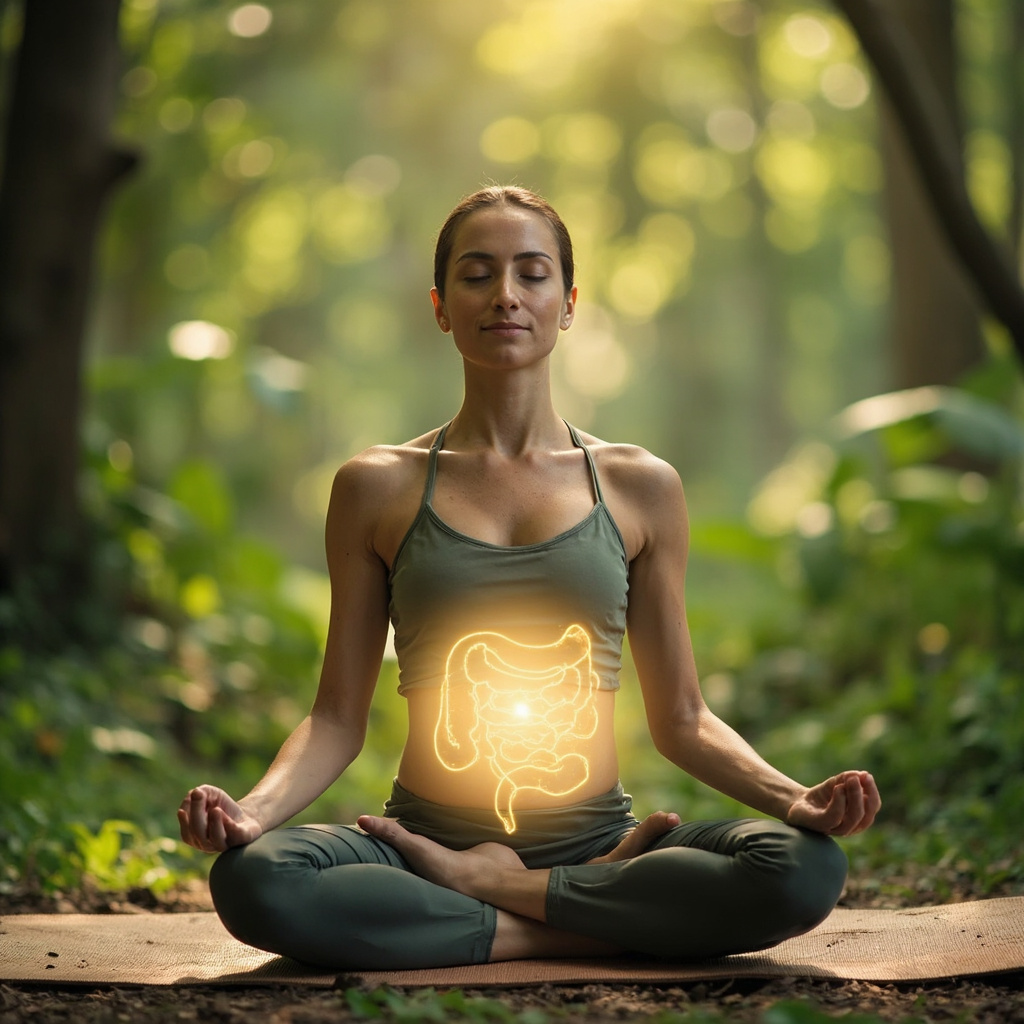
What is Escherichia coli 2?
Escherichia coli 2 refers to a specific bacterial presence in the gut detected through body electrical activity scans. This bacterium mainly affects the intestines. When out of balance, it releases toxins that harm the gut lining and upset normal digestion. Common issues include abdominal pain, diarrhea, and sometimes urinary discomfort. These physical symptoms often bring emotional strain too.
For more details, see the glossary entry.
Signs of Imbalance
Physical symptoms appear first:
- Sharp or cramping abdominal pain
- Frequent diarrhea or loose stools
- Bloating and gas
- Occasional urinary tract irritation
These can disrupt daily life, leading to fatigue and poor nutrient absorption.
Emotional Connections
Gut health ties closely to feelings. An imbalance in Escherichia coli 2 may spark:
- Heightened anxiety about eating or daily routines
- A sense of vulnerability from ongoing discomfort
- Distress over health worries, fearing worse outcomes
Stress worsens the cycle, as tension slows digestion. Restoring gut calm helps lift mood and confidence.
Turning It into a Resource
When balanced, Escherichia coli 2 supports healthy gut function. It aids in:
- Strengthening the intestinal wall
- Reducing toxin effects
- Easing pain and digestive upset
This shift cuts emotional stress, boosts well-being, and fosters resilience. Yoga plays a key role by calming the body and promoting natural harmony.
Why Yoga Helps Gut Balance
Recent studies highlight yoga's power on gut health. Practices like meditation and poses shift microbiome profiles quickly, enriching beneficial bacteria while curbing harmful ones. They lower inflammation, improve digestion, and activate the rest-and-digest system.
Gentle movements massage organs, release tension, and enhance blood flow to the abdomen. Breathing techniques soothe nerves linked to the gut-brain axis, reducing anxiety.
Personalized Yoga Sequence for Gut Harmony
Try this 20-30 minute practice 3-5 times weekly. Move slowly, breathe deeply. Use props like a bolster for comfort.
Warm-Up: Diaphragmatic Breathing (5 minutes)
Sit comfortably. Place one hand on belly, one on chest. Inhale through nose for 4 counts, letting belly rise. Exhale for 6 counts. This activates parasympathetic nerves, easing gut spasms and anxiety.
1. Child's Pose (Balasana) - 2 minutes
Kneel, fold forward, arms extended. Forehead to mat. Breathe into belly. Releases lower back tension, soothes intestines.
2. Cat-Cow Flow (Marjaryasana-Bitilasana) - 10 rounds
On all fours, alternate arching and rounding spine with breath. Massages abdominal organs, improves motility, calms nerves.
3. Seated Spinal Twist (Ardha Matsyendrasana) - 1 minute each side
Sit with legs extended. Bend right knee over left, twist right. Hold, breathe. Detoxifies gut, relieves bloating and pain.
4. Supine Knee-to-Chest (Apanasana) - 1 minute each side, then both
Lie on back, hug one knee then both to chest. Rock gently. Expels gas, eases cramps, promotes elimination.
5. Bridge Pose (Setu Bandhasana) - 5 breaths
Lie on back, feet flat, lift hips. Strengthens core, stimulates digestion without strain.
6. Legs-Up-the-Wall (Viparita Karani) - 5 minutes
Legs up wall, hips close. Inverts gently, reduces swelling, calms mind and gut.
Cool-Down: Corpse Pose (Savasana) - 5 minutes
Lie flat, palms up. Scan body for tension release. Integrates benefits, deepens relaxation.
Tips for Best Results
- Practice on empty stomach or light meal after.
- Stay hydrated; sip warm water with lemon.
- Track how you feel post-session: less pain? Calmer mind?
- Combine with mindful eating for lasting gut support.
Regular practice builds resilience. Notice reduced discomfort, steadier emotions, and vibrant energy. Yoga invites balance, one breath at a time.
- 1. frontiersin.org
- 2. yogajala.com
- 3. timesofindia.indiatimes.com
- 4. withpower.com
- 5. pmc.ncbi.nlm.nih.gov
- 6. youtube.com
- 7. youtube.com
- 8. instagram.com
- 9. pmc.ncbi.nlm.nih.gov
- 10. youtube.com
- 11. apple.news
- 12. youtube.com
- 13. cdhf.ca
- 14. insighttimer.com
- 15. examine.com
- 16. apple.news
- 17. t-s.news
- 18. verjournal.com
- 19. communities.springernature.com
- 20. mybioma.com
- 21. gastroenterologyadvisor.com
- 22. pubmed.ncbi.nlm.nih.gov
- 23. youtube.com
- 24. pubmed.ncbi.nlm.nih.gov
- 25. uclahealth.org
- 26. pubmed.ncbi.nlm.nih.gov
- 27. pmc.ncbi.nlm.nih.gov
- 28. uniospecialtycare.com
- 29. theindianpractitioner.com
- 30. facebook.com
- 31. pubmed.ncbi.nlm.nih.gov
- 32. open.spotify.com
- 33. youtube.com
- 34. youtube.com
- 35. facebook.com
- 36. pubmed.ncbi.nlm.nih.gov
- 37. miraclesworldwide.com
- 38. pubmed.ncbi.nlm.nih.gov
- 39. bellybalance.co.uk
- 40. pubmed.ncbi.nlm.nih.gov
関連投稿
用語集
- エネルギーと心の構造 > 水
- エネルギーと心の構造 > 自信
- エネルギーと心の構造 > エシェリヒア・コリ 2
- 身体ゾーン > 神経
- 身体ゾーン > 鼻
- 身体ゾーン > 副交感神経
- 身体ゾーン > 胸部
- エネルギーと心の構造 > 臓器
- 中医学レシピ > 腸の調和:消化を助けるためのTCMレシピ
- 中医学レシピ > 消化の緩和:膨満感と消化不良を和らげるためのシンプルなガイド
- 中医学レシピ > 胃の健康:消化問題のための自然療法
- 中医学レシピ > エネルギーを高める:疲労回復のためのTCMレシピ
- 中医学レシピ > 消化の緩和:腹痛と吐き気のための治療法
- エネルギーと心の構造 > 毒素
- エネルギーと心の構造 > 消化
- エネルギーと心の構造 > シータ 4.31-6.97 Hz。軽い睡眠、瞑想。
- エネルギーと心の構造 > ストレス
- 刺激 > レモン
- 刺激 > 大腸菌
- 刺激 > 月 - 鼻腔、呼吸、味覚
- 刺激 > エイズ
- 刺激 > 痛み
- バイノーラルビート > 炎症緩和:バイノーラルビートでより早く回復する
- 刺激 > 調和
- 刺激 > 血液