


HF: הדרך הפאראסימפתטית להרפיה
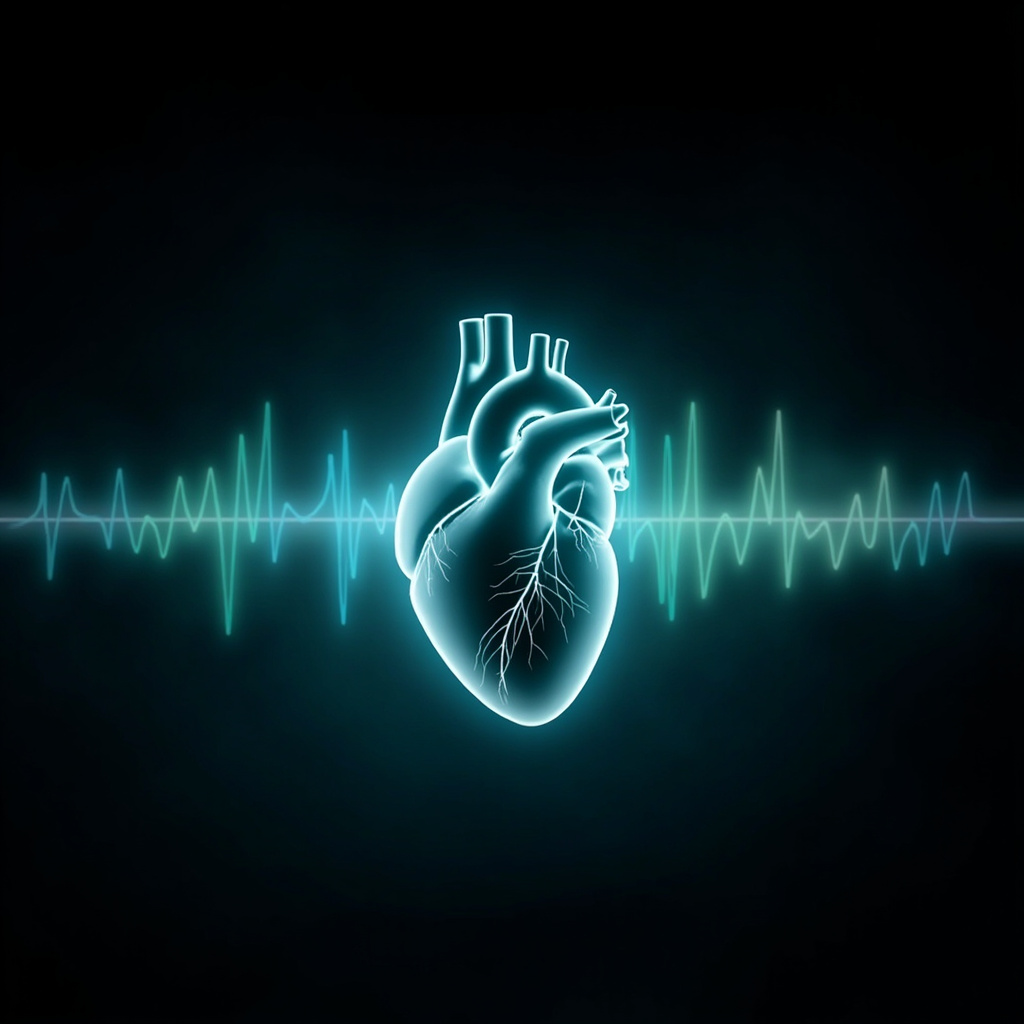
HF: Gateway to Rest and Emotional Balance
Your body has two main systems for handling daily life: one for action and stress, called sympathetic, and one for rest and repair, called parasympathetic. High Frequencies (HF) act as a clear sign of how well the parasympathetic system is working. Found in heart rate variability (HRV)-the natural ups and downs in time between heartbeats-HF covers a specific range of 0.15 to 0.4 Hz. Think of it as your body's quiet whisper saying, "All is well, time to recover."
Understanding Parasympathetic Control
The parasympathetic system slows your heart rate, aids digestion, and promotes calm. When active, it helps organs work smoothly and meridians-energy pathways in traditional views-flow freely. Strong HF means better regulation of these processes. It supports restorative states, easing you into relaxation after a busy day.
In contrast, low HF signals the body is stuck in alert mode. This can lead to fatigue, poor sleep, or emotional ups and downs. As a psychologist, I see this pattern often in clients dealing with stress or anxiety.
HF as a Window into Emotional Health
HF ties directly to how we feel and respond emotionally. Higher levels correlate with greater resilience-the ability to bounce back from challenges. It reflects emotional regulation, where you stay steady amid triggers.
A recent umbrella review of studies, published in 2025, examined HRV across mental disorders. It found suggestive evidence of lower HF in conditions like PTSD, schizophrenia, and somatic symptom disorders compared to healthy people. In depression and social anxiety, HF drops while stress markers rise. Even better, therapies like psychotherapy showed potential to increase HF, hinting at real paths to recovery.
This matters because reduced parasympathetic activity often pairs with sleep issues, digestive woes, or weakened immunity-common in chronic stress. Tracking HF offers an objective way to gauge progress in therapy or self-care.
Signs of Balanced vs. Imbalanced HF
Here are common indicators:
Healthy HF levels support:
- Deep, restful sleep
- Quick recovery from workouts or illness
- Stable moods and clear focus
- Easier handling of emotions like worry or anger
Low HF may show as:
- Constant tiredness or burnout
- Racing thoughts and agitation
- Digestive discomfort or shallow breathing
- Heightened sensitivity to stressors
Using HF as a Resource for Well-Being
When HF is strong, it becomes a powerful ally. It enhances organ function, promotes relaxation, and smooths emotional flow. In practice, I guide clients to tap this by focusing attention on calm states.
Simple daily steps can nurture parasympathetic control:
- Slow breathing: Inhale for 4 counts, exhale for 6. This directly boosts HF.
- Mindfulness moments: Spend 5 minutes noticing your heartbeat's rhythm.
- Gratitude practice: Recall positives to shift from stress to ease.
- Gentle movement: Yoga or walks activate rest mode without overload.
Over time, these build measurable shifts in HRV, fostering resilience. For those with trauma histories, biofeedback tools using HRV guide toward stability.
Why HF Matters for Self-Development
In self-development, HF is a biomarker of growth. It tracks how well you balance action with rest, ambition with peace. Low HF flags where to intervene-perhaps through better boundaries or relaxation routines. High HF signals you're adaptable, ready for life's next step.
As emotional health improves, so does overall vitality. Clients report clearer thinking, warmer connections, and sustained energy. This isn't just theory; studies confirm HRV improvements link to better mood and cognitive function.
For more details on para-sympathetic control: [/energy_mind/781-para-sympathetic-control]
Embrace HF to unlock your calm core. Small shifts today lead to profound balance tomorrow.
- 1. pmc.ncbi.nlm.nih.gov
- 2. my.clevelandclinic.org
- 3. innsightful.com
- 4. youtube.com
- 5. link.springer.com
- 6. help.elitehrv.com
- 7. frontiersin.org
- 8. youtube.com
- 9. bhakticlinic.com
- 10. en.wikipedia.org
- 11. frontiersin.org
- 12. facebook.com
- 13. garmin.com
- 14. labfront.com
- 15. mdpi.com
- 16. cureus.com
- 17. open.spotify.com
- 18. instagram.com
- 19. healthcare-bulletin.co.uk
- 20. pmc.ncbi.nlm.nih.gov
- 21. insightcla.com
- 22. nature.com
- 23. sciencedirect.com
- 24. mdpi.com
- 25. pmc.ncbi.nlm.nih.gov
- 26. youtube.com
- 27. researchgate.net
- 28. sciencedirect.com
- 29. facebook.com
- 30. facebook.com
- 31. pmc.ncbi.nlm.nih.gov
- 32. igminresearch.com
- 33. facebook.com
- 34. nature.com
- 35. nature.com
- 36. pmc.ncbi.nlm.nih.gov
- 37. researchgate.net
- 38. academic.oup.com
- 39. healthcare-bulletin.co.uk
- 40. thepressroomco.com
- 41. frontiersin.org
- 42. labfront.com
- 43. youtube.com
- 44. journals.lww.com
- 45. kubios.com
- 46. pmc.ncbi.nlm.nih.gov
- 47. psychiatryadvisor.com
- 48. ahajournals.org
- 49. escardio.org
- 50. authorea.com
פוסטים קשורים
מילון
- מבנים של אנרגיה ומחשבה > רגולציה
- מבנים של אנרגיה ומחשבה > מנטלי
- מבנים של אנרגיה ומחשבה > שלום
- מבנים של אנרגיה ומחשבה > HF; שליטה פרא-סימפתטית
- אזורים בגוף > פרסימפתטי
- מבנים של אנרגיה ומחשבה > איברים
- מתכוני TCM > הקלה על העיכול: מדריך פשוט להקלת נפיחות ועיכול
- מתכוני TCM > בריאות הלב: תרופות לחרדה והקפיצות
- מתכוני TCM > הקלה עשבונית: גישה של TCM לשיפור מצב הרוח שלך
- מתכוני TCM > הגבר את האנרגיה שלך: מתכון TCM להקלה על עייפות
- מבנים של אנרגיה ומחשבה > שינה
- מבנים של אנרגיה ומחשבה > חיוניות
- מבנים של אנרגיה ומחשבה > תנועה
- מבנים של אנרגיה ומחשבה > עיכול
- מבנים של אנרגיה ומחשבה > לחץ
- גירויים > IGF1, צמיחה
- גירויים > ירח - מעבר האף, נשימה, טעם
- גירויים > איידס
- ביטויים בינהורליים > ריפוי טראומה: ביטים בינאורליים לאיזון רגשי
- גירויים > לְהַנְחוֹת
see also...
- מבנים של אנרגיה ומחשבה > HRV
- מבנים של אנרגיה ומחשבה > אזורים בגוף > פלזמה
- מבנים של אנרגיה ומחשבה > מתכוני TCM > הקלה על כאב ראש מתח: גישה טבעית להקלת מתחים
- Testimonials > 61% ירידה בבחילות ו-58% בכאבי ראש מטיפול באמצעות קול
- ביטויים בינהורליים > גירויים > סקרל, אבץ וכו'
- ביטויים בינהורליים > ריפוי טראומה: ביטים בינאורליים לאיזון רגשי