


סימפונות: ברית נשימה וטריטוריה ברפואה הסינית המסורתית
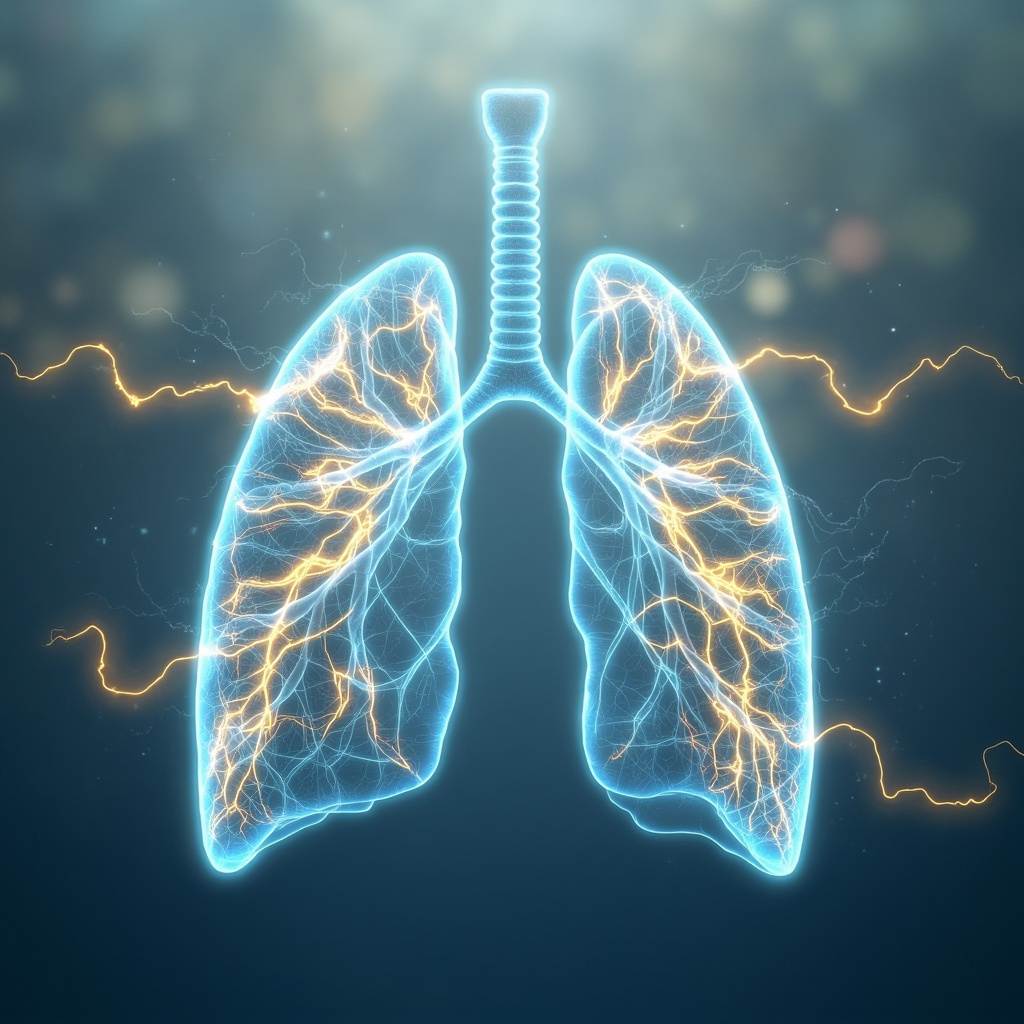
The bronchi act as essential airways in the lungs. They branch from the trachea, directing air into the left and right lungs, then to tinier tubes for gas exchange. This process delivers oxygen to the blood, fueling every cell with life energy.
Healthy bronchi support easy breathing and steady vitality. When irritated or narrowed, as in bronchitis or asthma, they cause wheezing, coughs, and fatigue. Oxygen levels drop, straining the body and mind.
Bronchi in Traditional Chinese Medicine
In TCM, the lungs govern qi – the vital energy we draw from air. The bronchi, as lung pathways, ensure qi descends smoothly. They belong to the metal element, tied to purity, boundaries, and the skin's defense.
The lung meridian flows from the chest, supporting respiration and protecting against external harms. Imbalances show in biomarkers as low energy, high agitation, or weak links to heart and spleen.
Emotional Connections to the Bronchi
Bronchi mirror our sense of territory and space. Feelings of invasion – cramped living areas, workplace pressures, or boundary violations – can constrict these airways. Emotional suffocation parallels physical tightness.
TCM links lungs to grief and letting go, but bronchi specifically relate to claiming personal space. Unresolved conflicts lead to shallow breaths, signaling a need to assert limits and protect one's domain.
- Crowded environments spark bronchial tension.
- Stress from overreach tightens airflow.
- Grief over lost space weakens lung qi.
Signs of Bronchial Imbalance
Watch for these clues of disharmony:
- Shortness of breath or wheezing.
- Persistent cough with phlegm.
- Frequent colds or allergies.
- Emotional unease around personal limits.
- Fatigue from poor oxygenation.
These often stem from qi stagnation, dampness, or wind invasion in TCM terms.
Bronchi as a Key Resource
When balanced, bronchi nourish other organs with oxygen-rich qi. They boost heart strength, clear brain fog, and aid digestion by supporting spleen function.
Emotionally, strong bronchi promote resilience. They help release invasion feelings, opening space for calm and confidence. Call on them to expand your inner territory and breathe freely.
TCM Ways to Harmonize Bronchi
Acupuncture and Moxibustion
Key points include LU 9 on the wrist to tonify lung qi, and BL 13 on the back as the lung's transport point. Warming these with moxa clears phlegm and widens airways, improving lung capacity.
Herbal Support
Formulas like Ma Huang Tang open lungs gently (use under guidance). Pears, white radish, and ginger soothe irritation and resolve dampness.
Breathing Practices
Practice deep belly breaths: inhale to fill lungs fully, exhale to release tension. This descends qi, eases emotional blocks, and strengthens bronchi.
Meridian Work
Massage the lung meridian from thumb to chest. Focus on outer lung line for boundary protection.
Five Elements Nourishment
Bolster metal with white foods (rice, onions), pungent tastes (garlic, mint), and autumn walks. Avoid cold dairy that builds phlegm.
Daily Harmony
Visualize bronchi as open gates welcoming fresh qi. Affirm your space: "I claim my territory with ease." Track progress via breath depth and mood lifts.
Recent studies affirm acupuncture at lung points enhances pulmonary function in asthma, blending ancient wisdom with modern evidence.
By aligning qi flow, emotions, and biomarkers, you restore bronchial harmony. Breathe deeper, claim your space, and thrive in body and spirit.
- 1. youtube.com
- 2. youtube.com
- 3. heart.org
- 4. sciencedirect.com
- 5. pmc.ncbi.nlm.nih.gov
- 6. youtube.com
- 7. youtube.com
- 8. pmc.ncbi.nlm.nih.gov
- 9. journals.sagepub.com
- 10. wral.com
- 11. nature.com
- 12. onlinelibrary.wiley.com
- 13. nationalgeographic.com
- 14. hscnews.unm.edu
- 15. bluefirehealingarts.com
- 16. youtube.com
- 17. facebook.com
- 18. mdpi.com
- 19. facebook.com
- 20. journals.sagepub.com
- 21. worldscientific.com
- 22. youtube.com
- 23. youtube.com
- 24. lung.org
- 25. youtube.com
- 26. healthcentral.com
- 27. bluelotus-wellness.com
- 28. pmc.ncbi.nlm.nih.gov
- 29. facebook.com
- 30. sciencedirect.com
- 31. astrazeneca.com
- 32. calandraacupuncture.com
- 33. therapyproducts.net
- 34. facebook.com
- 35. instagram.com
- 36. youtube.com
- 37. news-medical.net
- 38. youtube.com
- 39. yanhuangtcm.com
- 40. pmc.ncbi.nlm.nih.gov
פוסטים קשורים
מילון
- מבנים של אנרגיה ומחשבה > חמצן
- מבנים של אנרגיה ומחשבה > קוהרנטיות ממוקדת; מיקוד
- מבנים של אנרגיה ומחשבה > מתכת
- מבנים של אנרגיה ומחשבה > אבל
- מבנים של אנרגיה ומחשבה > שחרור
- מבנים של אנרגיה ומחשבה > סטגנציה
- מבנים של אנרגיה ומחשבה > ביטחון
- אזורים בגוף > ריאות
- אזורים בגוף > ברונכים
- אזורים בגוף > קנה הנשימה
- אזורים בגוף > חזה
- מבנים של אנרגיה ומחשבה > איברים
- מתכוני TCM > הקלה בשיעול: מתכון פשוט של TCM עבור לחץ בחזה
- מתכוני TCM > נשמו בקלות: הקלה על תסמיני אסתמה
- מתכוני TCM > בריאות הטחול: שפר את העיכול, התיאבון והאנרגיה
- מתכוני TCM > בריאות הלב: תרופות לחרדה והקפיצות
- מתכוני TCM > תמיכה ריאתית: מתכון TCM לבריאות נשימתית
- מתכוני TCM > חיזוק המוח: הסרת ערפל, שיפור ריכוז וזיכרון
- מתכוני TCM > הגבר את האנרגיה שלך: מתכון TCM להקלה על עייפות
- מבנים של אנרגיה ומחשבה > חיוניות
- מבנים של אנרגיה ומחשבה > עיכול
- מבנים של אנרגיה ומחשבה > לחץ
- גירויים > ג'ינג'ר
- גירויים > ירח - מעבר האף, נשימה, טעם
- גירויים > לְהַנְחוֹת
- גירויים > הרמוניה
- גירויים > דם