


Hymenolepis Cysticerc: Gut Distress & Anxiety
What is Hymenolepis Cysticerc?
Hymenolepis cysticerc is the larval form of a tapeworm that primarily lives in the intestines. It attaches to the gut wall and absorbs nutrients, which can lead to various health issues. For more details, see the glossary entry: Hymenolepis cysticerc.
These parasites are more common in rodents but can occasionally infect humans, especially in areas with poor sanitation or through contaminated food or water. Most infections are mild or without symptoms, but heavier ones bring noticeable problems.
Common Physical Symptoms
When present, Hymenolepis cysticerc often causes gastrointestinal troubles. Key signs include:
- Abdominal pain and cramps
- Diarrhea or loose stools
- Loss of appetite and unintended weight loss
- Weakness and fatigue
- Nausea
- Itchy sensation around the anus
These symptoms arise because the parasite disrupts normal digestion and nutrient absorption. The body's immune system responds, which can add to feelings of tiredness and discomfort. In humans, infections are usually treatable with medication, but prevention through good hygiene is key.
The Emotional Side: Anxiety and Distress
Beyond the gut, Hymenolepis cysticerc and similar parasites can influence emotions. Research shows parasitic infections often correlate with higher rates of mental health challenges. People with such infections report more anxiety, irritability, and a general sense of unease.
A key study on rats infected with a related tapeworm, Hymenolepis diminuta, revealed striking behavioral changes after 18 months. The infected rats showed:
- Increased anxiety: They spent less time in open, exposed areas and moved shorter distances, signs of fearfulness.
- Reduced exploration: Lower speed and less curiosity in new environments.
- Changes in brain chemicals: Lower levels of noradrenaline (a stress hormone) in areas like the prefrontal cortex and cerebellum, and reduced serotonin (key for mood) in the striatum.
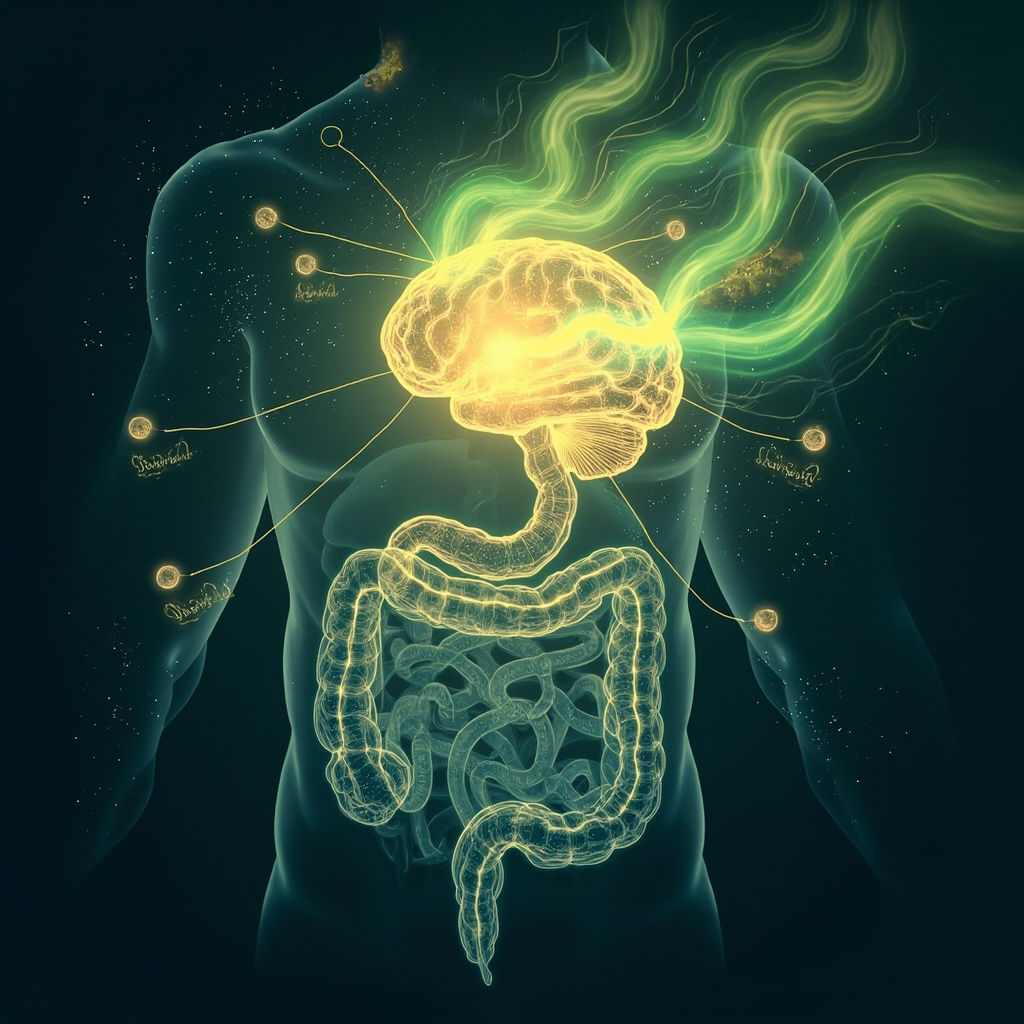
These shifts suggest the parasite affects the gut-brain axis-the communication pathway between digestive system and mind. Low serotonin and noradrenaline can lead to worry, low energy, and emotional vulnerability. In humans, similar patterns might explain why gut issues often come with stress or mood dips.
Parasites trigger immune responses that release inflammatory signals, potentially reaching the brain and amplifying distress. Feelings of vulnerability arise from ongoing physical symptoms, creating a cycle of worry about health.
Turning It into a Resource for Balance
Interestingly, addressing Hymenolepis cysticerc can support emotional health. Clearing the parasite helps restore gut function, easing physical symptoms and lightening the emotional load.
When balanced, this structure aids:
- Emotional regulation: By supporting serotonin and noradrenaline pathways.
- Immune strength: Reducing fatigue and irritability.
- Overall well-being: Better nutrient absorption fuels energy and calm.
In practice, tracking biomarkers related to this parasite reveals energy levels, agitation, and emotional links. This guides steps toward harmony, like relaxation practices or dietary support.
As a psychologist, I see how gut health ties to stress resilience and HRV (heart rate variability, a measure of calm). High agitation from parasites can mimic chronic stress patterns. Mindfulness or biofeedback helps shift this, improving focus and serenity.
Paths to Inner Calm
To counter these effects:
- Prioritize hygiene: Wash hands, cook food thoroughly.
- Support gut health: Probiotics and fiber-rich foods.
- Practice relaxation: Deep breathing lowers anxiety signals.
- Monitor progress: Note mood and energy changes.
By addressing Hymenolepis cysticerc-like influences, you foster resilience. The body-mind link reminds us: Heal the gut, calm the mind.
- 1. journals.plos.org
- 2. facebook.com
- 3. journals.plos.org
- 4. scirp.org
- 5. pdfs.semanticscholar.org
- 6. academia.edu
- 7. ufhealth.org
- 8. malacards.org
- 9. researchgate.net
- 10. cdc.gov
- 11. merckmanuals.com
- 12. pmc.ncbi.nlm.nih.gov
- 13. emedicine.medscape.com
- 14. aaem.pl
- 15. frontiersin.org
- 16. cdc.gov
- 17. pmc.ncbi.nlm.nih.gov
- 18. researchgate.net
- 19. pmc.ncbi.nlm.nih.gov
- 20. ajtmh.org
- 21. my.clevelandclinic.org
- 22. rarediseases.info.nih.gov
- 23. who.int
- 24. cambridge.org
- 25. my.clevelandclinic.org
- 26. sciencedirect.com
- 27. pmc.ncbi.nlm.nih.gov
- 28. pmc.ncbi.nlm.nih.gov
- 29. facebook.com
- 30. e-journal.unair.ac.id
- 31. journals.plos.org
- 32. pmc.ncbi.nlm.nih.gov
- 33. wikitropica.org
- 34. pubmed.ncbi.nlm.nih.gov
- 35. dovepress.com
- 36. pmc.ncbi.nlm.nih.gov
- 37. link.springer.com
Related posts
Glossary
- Energy and mind Structures > Focused Coherence; Focus
- Energy and mind Structures > Structure
- Energy and mind Structures > Communication
- Energy and mind Structures > Sensation
- Energy and mind Structures > Mental
- Energy and mind Structures > Water
- Energy and mind Structures > Hymenolepis cysticerc.
- TCM Recipes > Calm the Mind: A Remedy for Anxiety and Insomnia
- TCM Recipes > Digestive Relief: A Simple Guide to Ease Bloating & Indigestion
- TCM Recipes > Brain Boost: Clear Fog, Improve Focus & Memory
- TCM Recipes > Boost Your Energy: A TCM Recipe for Fatigue Relief
- TCM Recipes > Digestive Relief: Remedies for Abdominal Pain & Nausea
- Energy and mind Structures > Digestion
- Energy and mind Structures > Stress
- Stimuli > Serotonin
- Stimuli > Moon - Nasal Passage, Breathing, Taste
- Stimuli > AIDS
- Stimuli > Pain
- Binaural beats > Immune System Support: Enhancing Health with Sound Frequencies
- Stimuli > Tapeworm
- Stimuli > Parasites
- Stimuli > Lead
- Stimuli > Harmony
see also...
- Energy and mind Structures > HRV
- Energy and mind Structures > TCM Recipes > Digestive Relief: Remedies for Abdominal Pain & Nausea
- Testimonials > 61% Drop in Nausea and 58% in Headaches from Sound Therapy
- Binaural beats > Stimuli > Sacral, Zinc Etc
- Binaural beats > Immune System Support: Enhancing Health with Sound Frequencies