


Noradrenaline: Stress and Focus Hormone
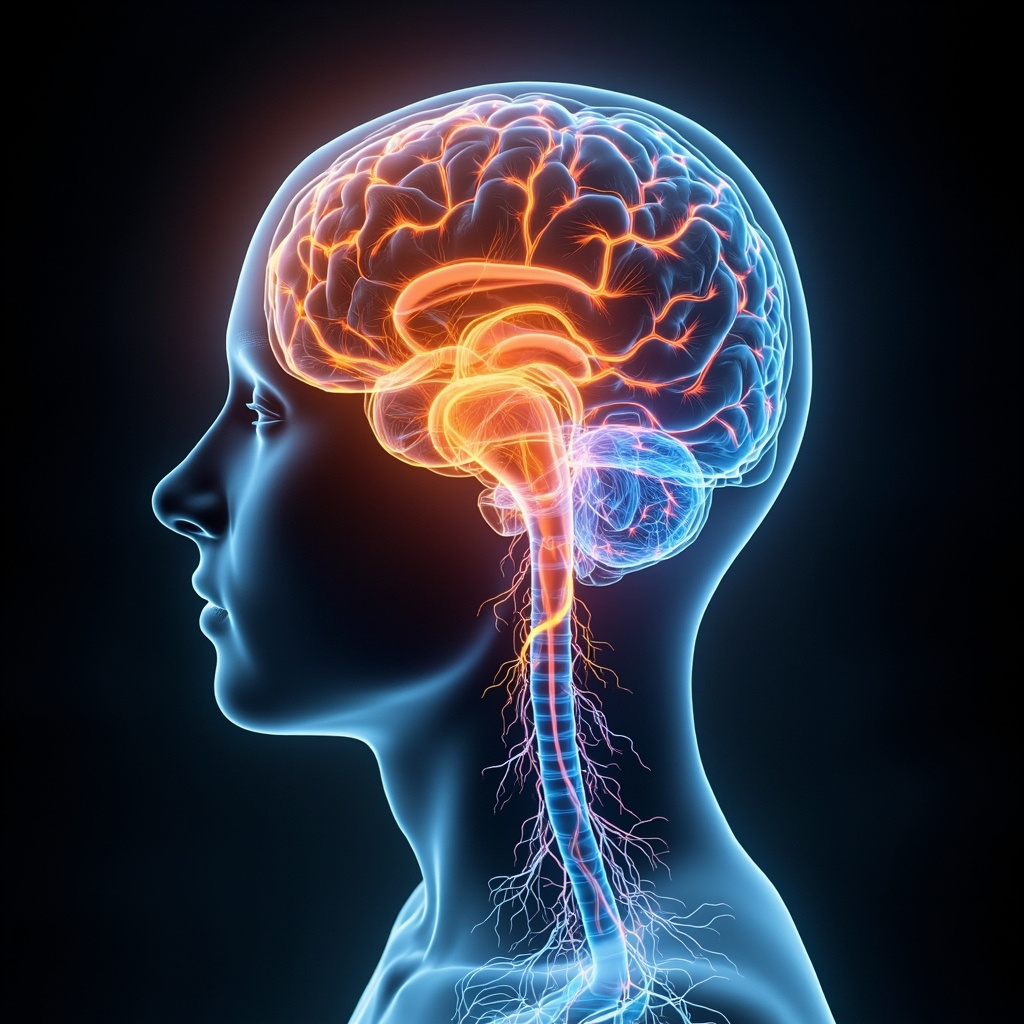
As a psychologist blending emotional health with body signals, I examine how chemicals like noradrenaline shape our responses to stress and daily life. This hormone and neurotransmitter keeps us vigilant and focused, but its balance is key to emotional stability.
What is Noradrenaline?
Noradrenaline, also known as norepinephrine, forms in the adrenal glands atop the kidneys and in brain regions like the locus coeruleus in the brainstem. As a neurotransmitter, it carries rapid signals between nerve cells. As a hormone, it spreads through the bloodstream to influence the whole body. It starts from dopamine and plays a part in arousal, attention, mood, and the sleep-wake cycle.
In everyday terms, noradrenaline helps you wake up motivated, stay attentive during tasks, and maintain steady rhythms like your heartbeat and digestion. It breaks down fats for energy and supports learning by holding information in short-term memory.
The Fight-or-Flight Mechanism
Picture a sudden threat: your brain senses danger, and noradrenaline surges. It signals the heart to beat faster and stronger, raises blood pressure, and redirects blood to muscles for action. Pupils dilate for sharper vision, breathing quickens for more oxygen, and sugar releases from the liver for quick fuel. Skin pales as blood prioritizes vital areas. This prepares you to fight or flee until safety returns.
This response is vital for survival, but constant activation wears on the body and mind.
Emotional Connections
Noradrenaline links directly to stress emotions like fear, anxiety, and a sense of threat. It heightens vigilance, which serves us in real danger but can trap us in worry if overactive. Unresolved fears or feeling out of control may disrupt its flow, leading to heightened alertness or emotional overload.
Recent research shows noradrenaline from the locus coeruleus amplifies activity in the amygdala, the brain's emotion center. During stress, like exposure to threats, it boosts synchronized neuron firing, intensifying anxiety-like reactions. Blocking certain receptors reduced anxiety and encouraged active coping in studies with mice.
Low noradrenaline ties to lethargy, poor motivation, and focus issues, often seen in depression or ADHD.
Signs of Imbalance
Too Much Noradrenaline
- Anxiety and panic attacks
- Irritability and feeling on edge
- Trouble sleeping or insomnia
- High blood pressure and rapid heartbeat
- Excessive sweating or jitters
Too Little Noradrenaline
- Depression and low mood
- Lack of energy or motivation
- Difficulty concentrating (like ADHD symptoms)
- Memory problems
- Fatigue and low blood pressure
These imbalances often show in heart rate variability (HRV), a measure of stress resilience I track in emotional assessments.
Noradrenaline as a Resource
When balanced, noradrenaline becomes a strength. It sharpens focus, boosts energy for challenges, and supports quick adaptation without overwhelm. It prioritizes vital functions, regulates blood flow, and maintains calm readiness.
In therapy, I use insights from stress biomarkers and HRV to guide clients. High agitation or low variability signals areas for work, like chronic stress patterns.
Practical steps for support:
- Practice deep breathing: Slow inhales and exhales calm the locus coeruleus.
- Mindfulness: Builds emotional regulation and steadies HRV.
- Regular movement: Helps metabolize excess without overload.
- Grounding techniques: Anchor in the present to ease perceived threats.
Tracking progress with body signals shows real shifts toward resilience.
For a full glossary entry, visit noradrenaline.
Balanced noradrenaline fosters clarity, positivity, and emotional flow – essential for self-development.
- 1. mdpi.com
- 2. onlinelibrary.wiley.com
- 3. pmc.ncbi.nlm.nih.gov
- 4. news-medical.net
- 5. nature.com
- 6. centerforbrainhealth.org
- 7. mountainscholar.org
- 8. mhanational.org
- 9. pmc.ncbi.nlm.nih.gov
- 10. frontiersin.org
- 11. pmc.ncbi.nlm.nih.gov
- 12. academic.oup.com
- 13. escholarship.org
- 14. healthsciences.ku.dk
- 15. sciencedirect.com
- 16. sciencedirect.com
- 17. innsightful.com
- 18. sciencedirect.com
- 19. pmc.ncbi.nlm.nih.gov
- 20. my.clevelandclinic.org
- 21. pmc.ncbi.nlm.nih.gov
- 22. veresiesclinic.com
- 23. nature.com
- 24. sciencedaily.com
- 25. psychiatrist.com
- 26. pmc.ncbi.nlm.nih.gov
Related posts
Glossary
- Energy and mind Structures > oxygen
- Energy and mind Structures > Focused Coherence; Focus
- Energy and mind Structures > Regulation
- Energy and mind Structures > Memory
- Energy and mind Structures > Short-term memory
- Body zones > glands
- Body zones > noradrenaline
- Body zones > kidneys
- Body zones > muscles
- Body zones > senses
- TCM Recipes > Stress Relief for High Blood Pressure: A TCM Approach
- TCM Recipes > Skin Health: Remedies for Acne and Eczema
- TCM Recipes > Liver Health: A TCM Recipe for Balance and Calm
- TCM Recipes > Heart Health: Remedies for Anxiety and Palpitations
- TCM Recipes > Brain Boost: Clear Fog, Improve Focus & Memory
- TCM Recipes > Adrenal Support: Remedies for Fatigue and Stress
- TCM Recipes > Herbal Relief: A TCM Approach to Lift Your Mood
- TCM Recipes > Boost Your Energy: A TCM Recipe for Fatigue Relief
- TCM Recipes > Sweat Relief: Natural Solutions for Night Sweats
- Energy and mind Structures > blood pressure
- Energy and mind Structures > movement
- Energy and mind Structures > Digestion
- Energy and mind Structures > Stress
- Stimuli > Moon - Nasal Passage, Breathing, Taste
- Stimuli > Blood