


Diaphragm Biomarker: Herbal Breath Paths
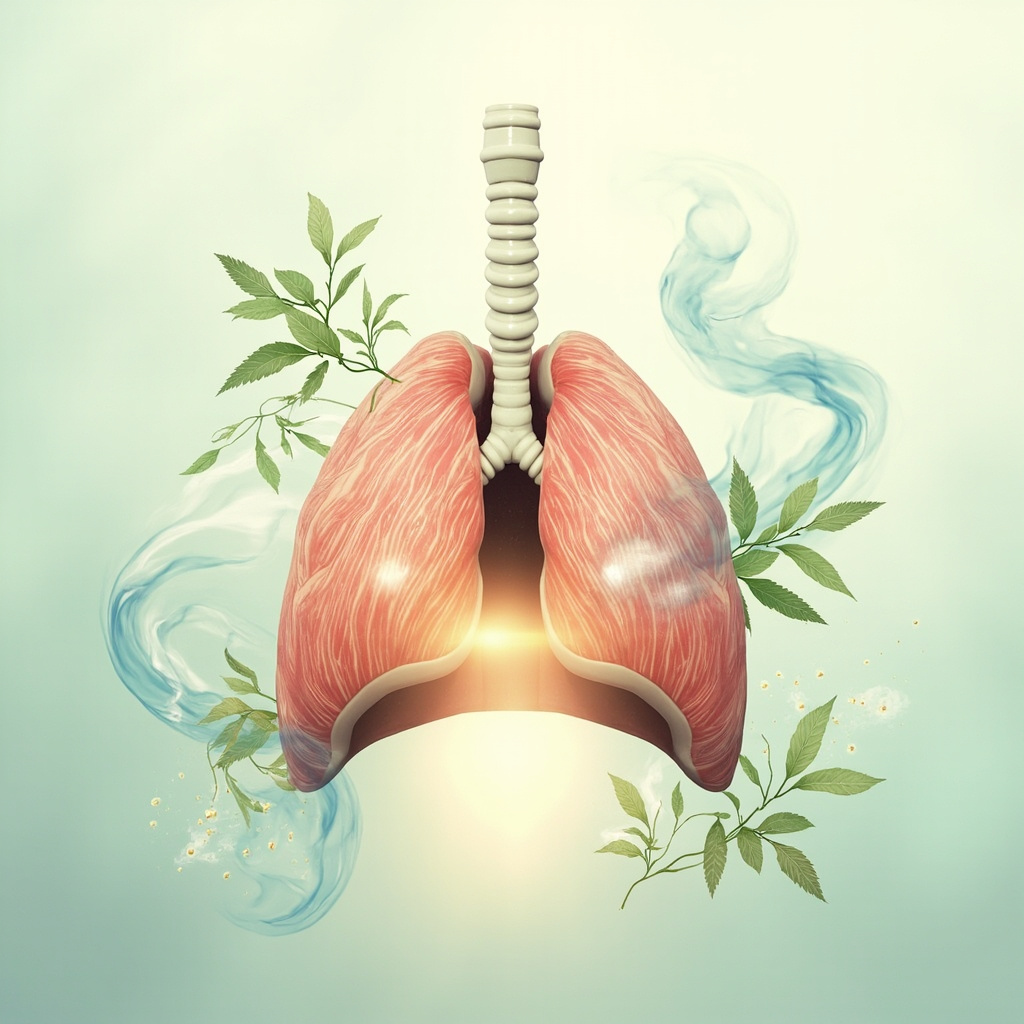
The diaphragm sits like a dome under your lungs and heart. It separates the chest from the belly. When you breathe in, it flattens to make space for air. Check the glossary for a clear view of its place in the body.
Why the Diaphragm Matters
This muscle is your main breathing engine. It pulls air deep into the lungs for full oxygen intake. Good diaphragm work boosts energy, clears the mind, and steadies the heart. Poor function leads to shallow breaths, low stamina, and strain on other organs.
Recent research backs this up. A 2025 systematic review of 48 studies found diaphragmatic breathing brings steady gains in anxiety relief and helps with gut reflux issues like GERD. It even aids recovery from post-COVID fatigue.
Signs of Diaphragm Strain
Watch for these common clues:
- Short, quick breaths or feeling winded easily
- Chest tightness or pain during inhales
- Ongoing tiredness despite rest
- Digestive upset from poor pressure balance between chest and belly
Biomarkers reveal the diaphragm's energy levels, speed of activity, and harmony with nearby structures. Low energy signals weakness; high agitation points to tension.
Emotional Links to the Diaphragm
Breath and feelings go hand in hand. The diaphragm channels life force. When tense, it mirrors fear or anxiety-that caught sensation in the chest. It may stem from feeling trapped or fighting for space in life. Stress locks it up, cutting oxygen to the brain and body.
Healing here frees pent-up emotions. Deep breaths release that grip, fostering calm and a sense of freedom.
The Diaphragm as Your Ally
A strong diaphragm aids the whole body:
- Lifts oxygen to every cell for better vitality
- Eases tension in lungs, heart, and belly
- Promotes restful states and emotional steadiness
- Helps release held stress for clearer focus
In practice, it supports recovery from illness or daily wear.
Herbal Ways to Nurture the Diaphragm
Plants match the body's needs. I look at biomarkers for stress, breath flow, and inflammation to pick the right ones.
For Calm and Tension Release
- Chamomile: Soothes nerves and relaxes tight muscles. Sip as tea before bed to unwind the diaphragm.
- Passionflower: Quiets racing thoughts and anxiety. Great for those shallow-breath days.
For Breath Ease and Respiratory Strength
- Mullein: A classic lung tonic. It loosens tightness and supports deep inhales.
- Elecampane: Warms and tones the respiratory system. Helps if biomarkers show weak diaphragm drive.
For Stress and Overall Harmony
- Ashwagandha: Builds resilience against daily pressures. Studies show it steadies heart rhythms linked to breath.
- Ginger: Clears chest congestion and sparks vitality. Aids digestion too, easing belly pressure on the diaphragm.
Blend ideas:
- Tense diaphragm with anxiety? Chamomile and passionflower tea, twice daily.
- Weak breath from fatigue? Mullein and ginger infusion for warmth and flow.
- Inflammatory strain? Add nettle for detox and repair.
Start low, watch how you feel. Herbs work best with slow, belly breaths-place a hand on your belly, let it rise on inhale.
Steps to Harmony
- Notice your breath: Is it chest or belly-led?
- Practice gentle diaphragm moves daily: Inhale for 4 counts, hold 4, exhale 6.
- Pair with herbs matching your needs.
- Track changes in energy and mood.
Support your diaphragm for fuller breaths, lighter emotions, and steady health. Small steps build lasting ease.
- 1. pressed.com
- 2. pmc.ncbi.nlm.nih.gov
- 3. saumya-ayurveda.com
- 4. frontiersin.org
- 5. pmc.ncbi.nlm.nih.gov
- 6. heart.org
- 7. pmc.ncbi.nlm.nih.gov
- 8. michiganmedicine.org
- 9. bannerhealth.com
- 10. pmc.ncbi.nlm.nih.gov
- 11. pmc.ncbi.nlm.nih.gov
- 12. herb-pharm.com
- 13. news-medical.net
- 14. health.com
- 15. massivebio.com
- 16. gaiaherbs.com
- 17. bhf.org.uk
- 18. pmc.ncbi.nlm.nih.gov
- 19. my.clevelandclinic.org
- 20. veincenterofflorida.com
- 21. nature.com
- 22. pmc.ncbi.nlm.nih.gov
- 23. nature.com
- 24. hopkinsmedicine.org
- 25. pubmed.ncbi.nlm.nih.gov
- 26. michiganinstruments.com
- 27. instagram.com
- 28. va.gov
- 29. swansonvitamins.com
- 30. pubmed.ncbi.nlm.nih.gov
- 31. pmc.ncbi.nlm.nih.gov
- 32. wortsandcunning.com
- 33. mdpi.com
- 34. pmc.ncbi.nlm.nih.gov
- 35. medicine.yale.edu
- 36. pmc.ncbi.nlm.nih.gov
- 37. traditionalmedicinals.com
- 38. health.usnews.com
- 39. hachettebookgroup.com
- 40. med.stanford.edu
- 41. pmc.ncbi.nlm.nih.gov
- 42. mdpi.com
- 43. pubmed.ncbi.nlm.nih.gov
- 44. researchgate.net
- 45. health.harvard.edu
- 46. positivepsychology.com
- 47. pmc.ncbi.nlm.nih.gov
Related posts
Glossary
- Energy and mind Structures > oxygen
- Energy and mind Structures > Sensation
- Energy and mind Structures > Drive
- Body zones > lungs
- Body zones > diaphragm
- Body zones > muscles
- Body zones > nerves
- Body zones > respiratory
- Body zones > chest
- Energy and mind Structures > Organs
- TCM Recipes > Digestive Relief: A Simple Guide to Ease Bloating & Indigestion
- TCM Recipes > Heart Health: Remedies for Anxiety and Palpitations
- TCM Recipes > Lung Support: A TCM Recipe for Respiratory Health
- TCM Recipes > Brain Boost: Clear Fog, Improve Focus & Memory
- TCM Recipes > Boost Your Energy: A TCM Recipe for Fatigue Relief
- Energy and mind Structures > vitality
- Energy and mind Structures > Digestion
- Energy and mind Structures > Stress
- Stimuli > Chamomile
- Stimuli > Ginger
- Stimuli > Moon - Nasal Passage, Breathing, Taste
- Stimuli > AIDS
- Stimuli > Pain
- Binaural beats > Inflammation Relief: Heal Faster with Binaural Beats
- Binaural beats > Congestion: A Binaural Beat Program for Physical Relief
- Stimuli > Harmony
see also...
- Energy and mind Structures > HRV
- Energy and mind Structures > Body zones > substantia nigra
- Energy and mind Structures > TCM Recipes > Tension Headache Relief: A Natural Approach to Ease Stress
- Testimonials > 61% Drop in Nausea and 58% in Headaches from Sound Therapy
- Binaural beats > Stimuli > Sacral, Zinc Etc
- Binaural beats > Christ Consciousness: Enhance Awareness through Sound Frequencies