


Orthosympathetic: Balance Fight-or-Flight
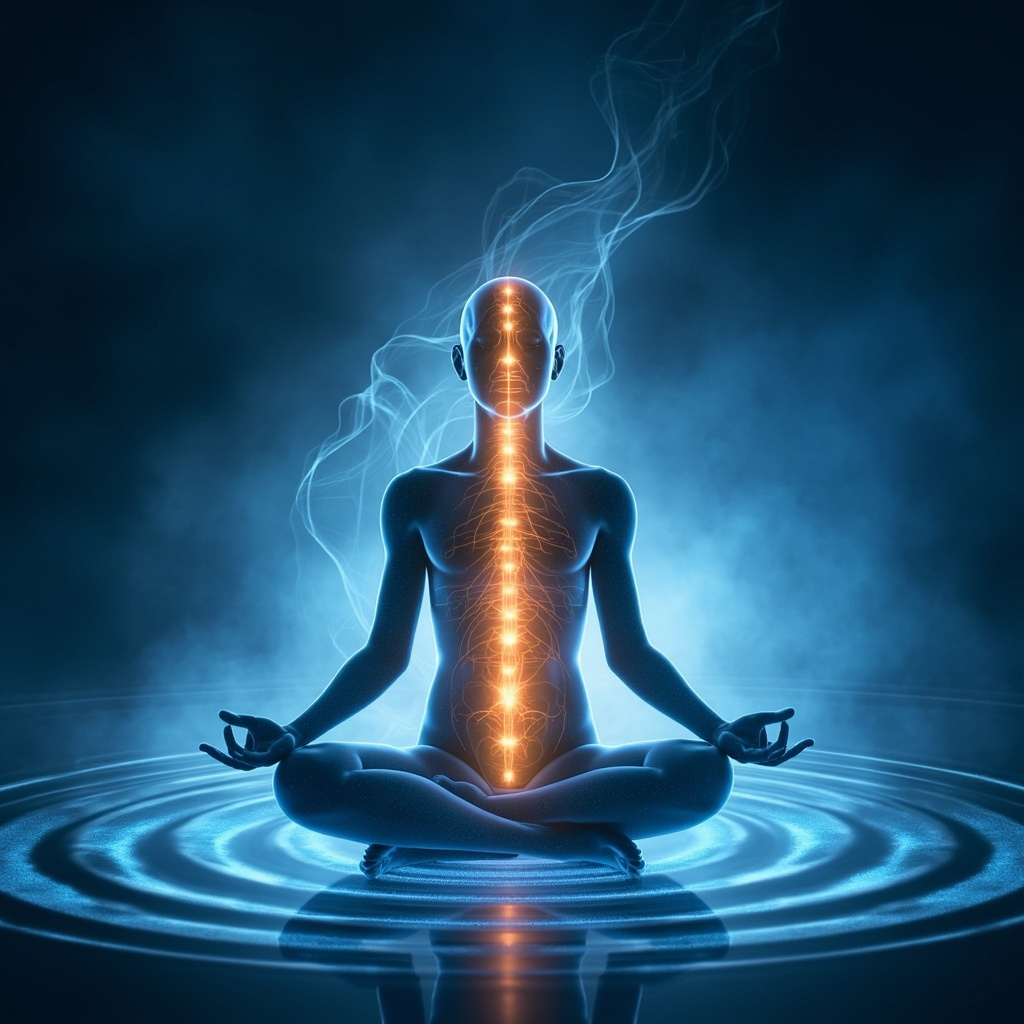
Your body has an inner alarm system called the orthosympathetic nervous system. It springs into action during stress, preparing you to fight or flee. For a full definition, check the orthosympathetic glossary.
This part of your autonomic nervous system runs along your spine, from the chest to lower back area. It speeds up your heart, widens your airways for quicker breaths, and sends extra blood to your muscles. All this helps you handle danger fast.
Daily Role of Orthosympathetic
In short bursts, it keeps you sharp. Think of meeting a deadline or dodging traffic. It boosts energy and focus when needed. But in today's world, constant worries like work pressure or bad news can keep it revved up too long.
Emotional Ties to Stress
Orthosympathetic links closely to feelings of fear, anxiety, and urgency. It ties to survival instincts. When stuck in high alert, you might feel tense, irritable, or overwhelmed. Unresolved stress can lead to ongoing emotional strain, showing as worry or panic.
Physical signs include a racing heart, tight chest, high blood pressure, or trouble sleeping. Over time, this wears on your health, raising risks for heart issues or exhaustion.
Spotting Imbalance
Common clues:
- Persistent fatigue despite rest
- Shallow breathing or feeling short of breath
- Muscle tension, especially in shoulders and jaw
- Digestive upset under stress
- Trouble relaxing even in calm settings
These point to orthosympathetic dominance. Balancing it brings back ease.
Meditation as a Calming Tool
Meditation shifts your body from alert to rest. It lowers orthosympathetic activity and strengthens the calming parasympathetic side. Studies show regular practice improves heart rate variability, a sign of flexible stress response.
A recent article highlights how meditation cuts fight-or-flight overdrive. It reduces stress hormones like cortisol, eases anxiety, and steadies emotions. Even short sessions build resilience.
Try these simple practices:
- Deep Belly Breathing: Sit comfortably. Inhale slowly through your nose for 4 counts, filling your belly. Hold 4, exhale 6. Repeat 5 minutes. This signals safety to your system.
- Body Scan: Lie down. Notice tension from toes to head. Breathe into tight spots, letting go. 10 minutes daily rewires stress patterns.
- Mindful Awareness: Observe thoughts without judgment. When stress arises, note it and return to breath. Builds emotional control.
Over weeks, you'll feel steadier. HRV improves, showing better balance.
Orthosympathetic as a Strength
When balanced, it supports other body parts. It optimizes blood flow and energy during tough times, aiding recovery. In emotional distress, it helps distribute calm resources.
In BioCoherence assessments, orthosympathetic biomarkers from electrical activity recordings reveal its state. Energy levels, agitation, and links guide focus. Resonance frequencies in sessions help it harmonize.
Personal guides use words to invite it as a resource or address as priority. This fosters inner peace.
Path to Lasting Calm
Start small. Track how meditation eases your alert state. Pair with biomarker insights for tailored progress. Your orthosympathetic system thrives in balance, unlocking vitality and clarity.
Embrace these steps for a regulated nervous system and brighter days.
- 1. psychologytoday.com
- 2. insighttimer.com
- 3. pantheonresearch.com
- 4. pmc.ncbi.nlm.nih.gov
- 5. massageclearwaterfl.com
- 6. mdpi.com
- 7. consensus.app
- 8. breatheeasytherapy.com
- 9. music.apple.com
- 10. youtube.com
- 11. theartofsoundhealing.com
- 12. pmc.ncbi.nlm.nih.gov
- 13. pmc.ncbi.nlm.nih.gov
- 14. nursing.jmir.org
- 15. facebook.com
- 16. army.mil
- 17. pmc.ncbi.nlm.nih.gov
- 18. tpcportland.com
- 19. pmc.ncbi.nlm.nih.gov
- 20. pmc.ncbi.nlm.nih.gov
- 21. sciencedirect.com
- 22. worthingtonoptimalwellness.com
- 23. instagram.com
- 24. insighttimer.com
- 25. nesa.world
- 26. synergyptw.com
- 27. elevationhealthcenter.com
- 28. nature.com
- 29. youtube.com
- 30. open.spotify.com
- 31. pubmed.ncbi.nlm.nih.gov
- 32. researchgate.net
- 33. pubmed.ncbi.nlm.nih.gov
- 34. mywellnessbynature.com
- 35. youtube.com
- 36. frontiersin.org
- 37. mybioma.com
- 38. artofliving.org
- 39. youtube.com
- 40. my.clevelandclinic.org
- 41. mindyog.com
- 42. quantumclinic.com
- 43. youtube.com
- 44. sciencedirect.com
- 45. themindfulnessapp.com
- 46. physio-pedia.com
- 47. mountsinai.org
- 48. elissagoodman.com
Related posts
Glossary
- Energy and mind Structures > Focused Coherence; Focus
- Energy and mind Structures > Peace
- Energy and mind Structures > Exhaustion
- Energy and mind Structures > Letting go
- Body zones > head
- Body zones > hormones
- Body zones > muscles
- Body zones > nose
- Body zones > orthosympathetic
- Body zones > parasympathetic
- Body zones > chest
- TCM Recipes > Stress Relief for High Blood Pressure: A TCM Approach
- TCM Recipes > Digestive Relief: A Simple Guide to Ease Bloating & Indigestion
- TCM Recipes > Heart Health: Remedies for Anxiety and Palpitations
- TCM Recipes > Muscle Relief: A Simple Guide to Alleviating Tension
- TCM Recipes > Boost Your Energy: A TCM Recipe for Fatigue Relief
- Energy and mind Structures > vitality
- Energy and mind Structures > blood pressure
- Energy and mind Structures > Theta; 4.31-6.97 Hz. Light sleep, meditation.
- Energy and mind Structures > Stress
- Stimuli > Cortisol
- Stimuli > Moon - Nasal Passage, Breathing, Taste
- Binaural beats > Nervous System: A Program for Emotional Balance and Relaxation
- Stimuli > Lead
- Stimuli > Blood
see also...
- Energy and mind Structures > HRV
- Energy and mind Structures > Body zones > substantia nigra
- Energy and mind Structures > TCM Recipes > Tension Headache Relief: A Natural Approach to Ease Stress
- Testimonials > 61% Drop in Nausea and 58% in Headaches from Sound Therapy
- Binaural beats > Stimuli > Variolinum
- Binaural beats > Transmutation: A Sound Journey for Personal Change