


Gastric Acid: TCM Digestion Ally
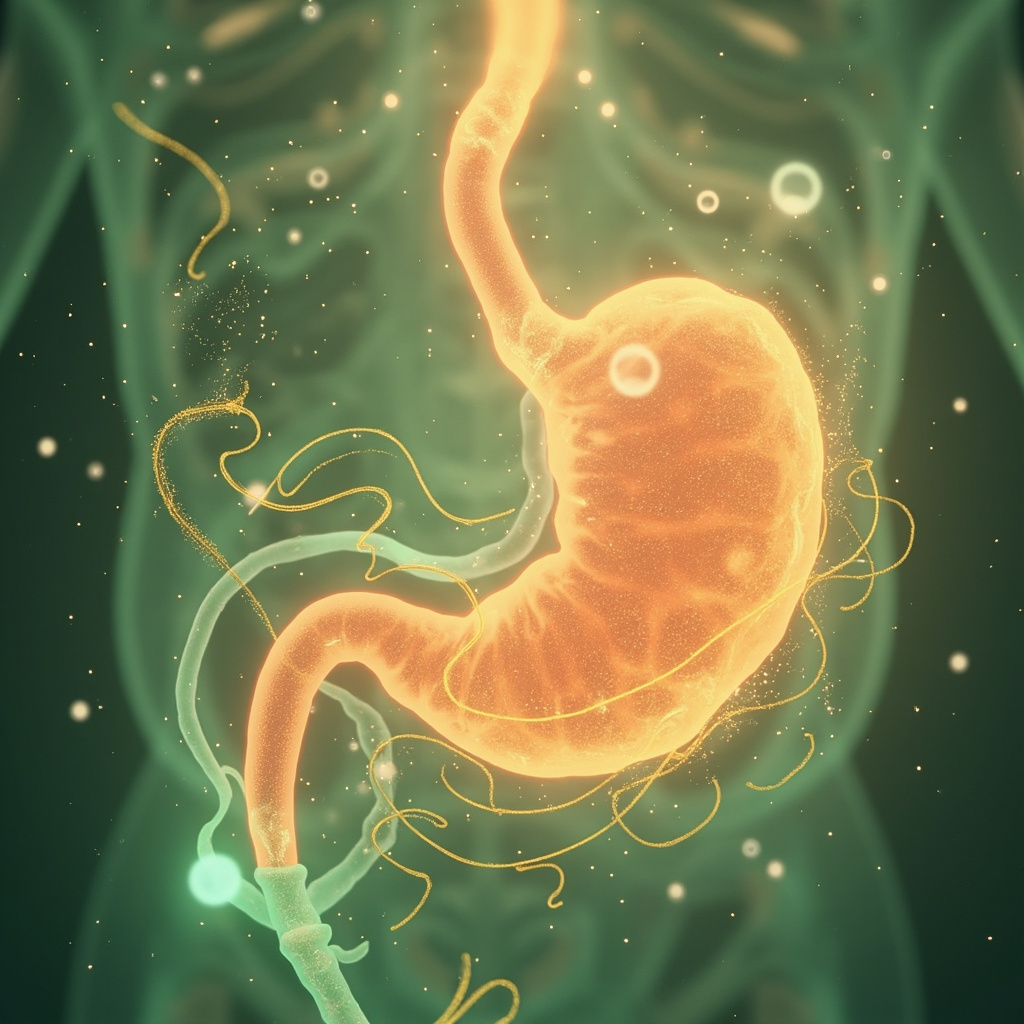
The Vital Role of Gastric Acid in Your Body
Gastric acid is produced in the stomach to help digest food. It breaks down proteins into smaller pieces that your body can absorb. This acid also activates enzymes needed for digestion and kills harmful bacteria in what you eat. When working well, it supports nutrient uptake, keeping your energy steady and your immune system strong.
In everyday terms, think of gastric acid as the stomach's workhorse. After a meal, it starts the process of turning food into fuel for your cells. Without enough acid, nutrients go unused, leading to fatigue or poor health. Too much acid, on the other hand, can irritate the stomach lining, causing discomfort like heartburn or worse issues over time.
Common Signs of Imbalance
You might notice:
- Burning sensation in the chest or throat (acid reflux)
- Stomach pain or bloating after eating
- Feeling full too quickly
- Nausea or poor appetite
These symptoms often point to the stomach struggling to process food properly.
Emotional Links to Gastric Acid in TCM
Traditional Chinese Medicine (TCM) sees the body and mind as connected. The stomach belongs to the Earth element, responsible for transforming food into qi (vital energy) and thoughts into clarity. Gastric acid reflects this transformation process.
Emotions like anger, frustration, or stress can upset this balance. When you hold onto resentment or worry, it becomes hard to 'digest' experiences, just like undigested food. This emotional buildup may lead to overproduction of acid, causing irritation, or underproduction, slowing digestion.
In TCM terms:
- Anger (linked to the Liver, Wood element) can create heat that 'cooks' the stomach too harshly.
- Stress and overthinking weaken the Spleen-Stomach system, dampening acid flow.
- Unresolved frustration blocks qi movement, leading to stagnation and discomfort.
Restoring harmony means addressing both physical and emotional sides. Practices like gentle breathing or walking after meals help qi flow smoothly.
Gastric Acid as a Supportive Resource
When balanced, gastric acid aids the whole body:
- Supplies nutrients to the liver for detoxification.
- Fuels the heart and lungs with steady energy.
- Strengthens kidneys by providing building blocks for vitality.
It maintains an internal environment free of pathogens, promoting overall wellness. In TCM, a strong stomach generates postnatal qi, the energy from food that sustains daily life.
TCM Ways to Harmonize Gastric Acid
Draw from ancient wisdom:
- Diet: Favor warm, cooked foods like soups and grains. Avoid cold, raw items or spicy foods that aggravate heat.
- Emotions: Process feelings through journaling or talking. Let go of grudges to free qi.
- Movement: Gentle exercises like tai chi support Spleen qi.
- Herbs: Formulas like Bao He Wan aid digestion for stagnation; Ban Xia Xie Xin Tang clears heat.
For deeper insight, explore the gastric acid glossary.
Bridging TCM with Modern Insights
Today, we assess gastric acid through biomarkers from body electrical activity. These show energy levels, agitation, and connections to other systems. Balanced gastric acid means smooth qi flow along the Stomach meridian, linking mouth to intestines.
In the five elements cycle, the Stomach (Earth) nourishes Metal (Lungs) and is fed by Wood (Liver). Imbalances here ripple out, affecting breath, skin, or emotions.
Practical Steps for Harmony
- Eat mindfully: Chew slowly to aid acid's work.
- Manage stress: Short meditations focus on the belly's warmth.
- Stay hydrated: Warm fluids support fluid balance.
- Rest: Avoid late meals to let yin restore overnight.
By nurturing gastric acid, you build resilience. It transforms not just food, but life's challenges into strength. Harmony starts in the stomach, flowing to body and mind.
Related posts
Glossary
- Energy and mind Structures > Focused Coherence; Focus
- Energy and mind Structures > Sensation
- Energy and mind Structures > Metal
- Energy and mind Structures > Earth
- Energy and mind Structures > Wood
- Energy and mind Structures > Wellness
- Energy and mind Structures > Stagnation
- Body zones > mouth
- Body zones > throat
- Body zones > chest
- Body zones > gastricacid
- TCM Recipes > Skin Health: Remedies for Acne and Eczema
- TCM Recipes > Heartburn Relief: A Simple TCM Recipe for Comfort
- TCM Recipes > Liver Health: A TCM Recipe for Balance and Calm
- TCM Recipes > Stomach Health: Natural Remedies for Digestive Issues
- TCM Recipes > Spleen Health: Boost Digestion, Appetite, and Energy
- TCM Recipes > Boost Your Energy: A TCM Recipe for Fatigue Relief
- Energy and mind Structures > vitality
- Energy and mind Structures > fluids
- Energy and mind Structures > pathogens
- Energy and mind Structures > movement
- Energy and mind Structures > Digestion
- Energy and mind Structures > Stress
- Stimuli > GSTM1, Detoxification
- Stimuli > Moon - Nasal Passage, Breathing, Taste
- Stimuli > AIDS
- Stimuli > Pain
- Binaural beats > Immune System Support: Enhancing Health with Sound Frequencies
- Stimuli > Lead
- Stimuli > Harmony
see also...
- Energy and mind Structures > HRV
- Energy and mind Structures > Body zones > gastricacid
- Energy and mind Structures > TCM Recipes > Tension Headache Relief: A Natural Approach to Ease Stress
- Testimonials > 61% Drop in Nausea and 58% in Headaches from Sound Therapy
- Binaural beats > Stimuli > Sacral, Zinc Etc
- Binaural beats > Immune System Support: Enhancing Health with Sound Frequencies