


Medulla Oblongata: TCM Survival Breath Ally
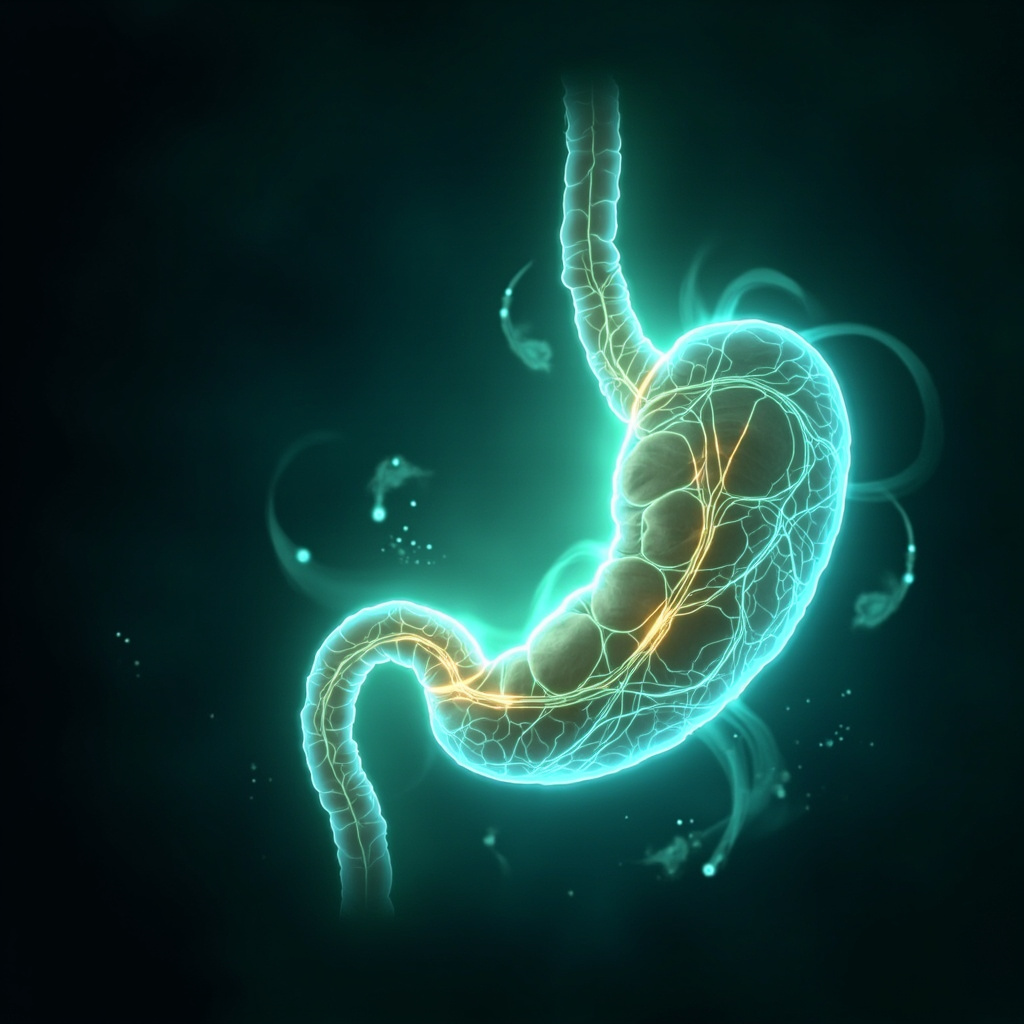
Nestled at the Brain's Base
The medulla oblongata sits at the lowest part of the brainstem, like a bridge linking your brain to the spinal cord. This small area, about the size of your thumb, handles the most basic tasks that keep you alive. Without it working smoothly, everyday functions we take for granted could falter.
Keeping Life's Rhythm Steady
Think of the medulla as your body's control center for survival basics:
- Breathing: It sets the pace for each inhale and exhale, adjusting as needed during sleep or activity.
- Heart rate: It fine-tunes how fast or slow your heart beats to match your body's demands.
- Blood pressure: It maintains balance so blood flows just right to every organ.
These autonomic functions run in the background, without conscious thought. When the medulla is out of sync, you might notice dizziness, irregular breathing, or sudden heart flutters. In severe cases, it can lead to serious issues like respiratory problems or unstable rhythms.
TCM Lens: Guardian of Foundational Qi
In Traditional Chinese Medicine (TCM), the medulla oblongata aligns with the flow of qi – your vital life energy – through key meridians. It connects to the Kidney system, which stores essence for survival and links to the Water element. Kidneys govern fear and willpower, mirroring the medulla's role in basic security.
It also ties to the Lung meridian for breath (Metal element, processing grief) and Heart for rhythmic joy (Fire element). Blockages here might show as stagnant qi, where energy pools instead of flowing freely. Biomarkers from electrical activity recordings reveal this: energy levels, agitation, and connections to other body parts.
Emotional Ties to Survival Fears
Emotions run deep with the medulla. Chronic stress or unresolved trauma can disrupt its harmony, stirring feelings of insecurity or fear of loss. In TCM, excessive fear weakens Kidneys, dimming vitality. You might feel a tightness in the chest, shallow breaths, or a sense of life's fragility.
On the flip side, a strong medulla fosters calm confidence. It supports the whole body by stabilizing rhythms, allowing higher brain functions like clear thinking to thrive.
When the Medulla Acts as a Resource
A balanced medulla oblongata becomes a powerful ally:
- It steadies heart rate for organs like the Heart and Lungs during stress.
- Ensures steady respiration to oxygenate the entire system.
- Maintains homeostasis, helping Liver detox or Spleen nourish without overload.
In sessions using resonance frequencies, we target its main vibrations to restore this support. Guided words in daily practices invite awareness: "Feel your breath anchor you, medulla steadying life's pulse."
Spotting Imbalance and Restoring Harmony
Common signs include:
- Fatigue from poor sleep rhythms.
- Anxiety with racing heart or shallow breath.
- Dizziness or pressure swings.
TCM approaches focus on root causes:
- Acupuncture along Kidney, Lung, and Heart meridians to unblock qi.
- Herbs like those in formulas for Kidney tonics (e.g., Liu Wei Di Huang Wan) to nourish essence.
- Breathwork and meditation to calm the autonomic nervous system.
By assessing biomarkers – energy, qualities, and links – we map these patterns. For example, high agitation might point to Heat in the Water element, calling for cooling support.
Bridging Ancient Wisdom and Modern Insights
As a TCM practitioner, I see the medulla oblongata as the hub where body, emotions, and energy meet. It embodies yin-yang balance: passive control with dynamic adjustment. Supporting it unlocks deeper vitality, turning survival into thriving.
For more: /body/52-medulla-oblongata
Harmony starts with awareness. Breathe deeply – your medulla is listening.
Related posts
Glossary
- Energy and mind Structures > Focused Coherence; Focus
- Energy and mind Structures > Water
- Energy and mind Structures > Security
- Energy and mind Structures > Willpower
- Energy and mind Structures > Confidence
- Energy and mind Structures > Meridians
- Body zones > kidneys
- Body zones > lungs
- Body zones > respiratory
- Body zones > medulla oblongata
- Body zones > chest
- Energy and mind Structures > Organs
- TCM Recipes > Liver Health: A TCM Recipe for Balance and Calm
- TCM Recipes > Kidney Health: Boost Energy and Relieve Back Pain
- TCM Recipes > Spleen Health: Boost Digestion, Appetite, and Energy
- TCM Recipes > Heart Health: Remedies for Anxiety and Palpitations
- TCM Recipes > Lung Support: A TCM Recipe for Respiratory Health
- TCM Recipes > Brain Boost: Clear Fog, Improve Focus & Memory
- TCM Recipes > Boost Your Energy: A TCM Recipe for Fatigue Relief
- Energy and mind Structures > sleep
- Energy and mind Structures > vitality
- Energy and mind Structures > Theta; 4.31-6.97 Hz. Light sleep, meditation.
- Energy and mind Structures > Stress
- Stimuli > Moon - Nasal Passage, Breathing, Taste
- Binaural beats > Spinal Cord Support: Enhance Wellness and Emotional Balance
- Binaural beats > Nervous System: A Program for Emotional Balance and Relaxation
- Stimuli > Lead
- Stimuli > Harmony
- Stimuli > Blood
see also...
- Energy and mind Structures > HRV
- Energy and mind Structures > Body zones > substantia nigra
- Energy and mind Structures > TCM Recipes > Tension Headache Relief: A Natural Approach to Ease Stress
- Testimonials > 61% Drop in Nausea and 58% in Headaches from Sound Therapy
- Binaural beats > Stimuli > Variolinum
- Binaural beats > Transmutation: A Sound Journey for Personal Change