


Pet Allergy Reaction: Nutrition for Relief
Understanding Pet Allergy Reaction
Your body sometimes overreacts to harmless pet dander-tiny flakes of skin, saliva, or urine from cats, dogs, and other animals. This immune response releases histamine, leading to uncomfortable symptoms. In BioCoherence assessments, pet allergy reaction appears as a key biomarker, highlighting areas where your body's electrical signals show imbalance. As a nutritionist, I focus on how diet can help restore harmony.
Common Symptoms
These reactions often include:
- Frequent sneezing
- Runny or stuffy nose
- Itchy, watery eyes
- Skin irritation or hives
- Fatigue from constant discomfort
These signs disrupt daily life, especially for pet lovers. Nutrition plays a vital role in modulating this response through gut health, anti-inflammatory compounds, and nutrient support.
Why Nutrition Matters
A balanced diet strengthens your immune system and gut microbiome, which influences up to 70% of immune function. Key nutrients act as natural antihistamines, reducing histamine release and inflammation. They also aid detoxification, helping clear allergens more efficiently. By addressing metabolism and inflammation markers, targeted foods promote energy and resilience.
Essential Nutrients for Relief
Focus on these powerhouse nutrients:
Quercetin: A flavonoid that stabilizes cells to prevent histamine release. Found in everyday foods, it eases sneezing and eye itch.
Vitamin C: Boosts immune cells and lowers histamine levels. It supports respiratory health and reduces oxidative stress from allergens.
Omega-3 Fatty Acids: Powerful anti-inflammatories that calm overactive responses, benefiting skin and airways.
Bromelain: An enzyme that breaks down inflammatory proteins, improving breathing and sinus comfort.
Probiotics: Friendly gut bacteria that train the immune system to tolerate allergens better.
Foods to Incorporate Daily
Build meals around these allergy-fighting options:
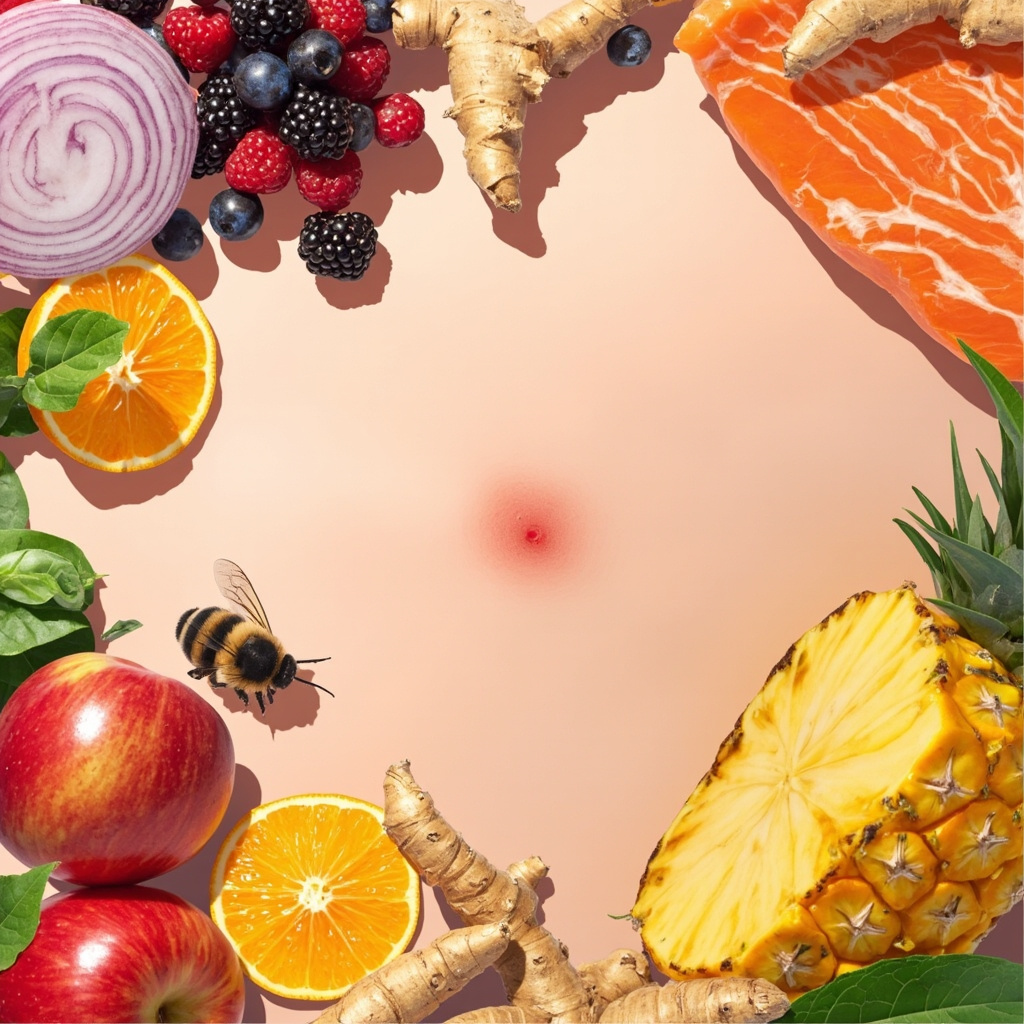
- Onions, apples, berries, and parsley: Loaded with quercetin. Add sliced onions to salads or berries to breakfast smoothies.
- Kiwi, citrus fruits, and leafy greens: High in vitamin C. Enjoy a kiwi daily or greens in stir-fries.
- Pineapple: Source of bromelain. Fresh chunks as snacks or in fruit salads.
- Fatty fish like salmon and tuna: Omega-3 riches. Grill salmon twice weekly.
- Fermented foods such as kefir, yogurt, and sauerkraut: Probiotic powerhouses. Start with a daily serving of kefir.
Avoid processed foods, excess sugar, and dairy if they worsen symptoms, as they can fuel inflammation.
Sample Meal Plan
Breakfast: Smoothie with berries, kiwi, yogurt, and a spoonful of flaxseeds (for omega-3s).
Lunch: Salad with onions, parsley, leafy greens, grilled salmon, and pineapple dressing.
Snack: Apple slices with a handful of nuts.
Dinner: Stir-fried veggies with quercetin-rich peppers and fermented sauerkraut on the side.
This plan delivers balanced macros while targeting allergy relief. Adjust portions based on your metabolism and energy needs.
Additional Tips for Balance
- Stay hydrated to support detox pathways.
- Manage stress, as it amplifies inflammation-pair nutrition with relaxation.
- Track symptoms with a food diary to spot patterns.
- Consider seasonal local honey (small doses) for broader tolerance, though evidence varies.
Consistent nutrition optimizes biomarkers like pet allergy reaction, enhancing vitality and immunity. Many clients report fewer symptoms within weeks. Consult a professional for personalized advice, especially with deficiencies.
(Word count: 612)
- 1. healthline.com
- 2. drharveys.com
- 3. pmc.ncbi.nlm.nih.gov
- 4. youtube.com
- 5. mdpi.com
- 6. healthline.com
- 7. barkandwhiskers.com
- 8. sciencedaily.com
- 9. petmd.com
- 10. wellnesspetfood.com
- 11. wihumane.org
- 12. hiccpet.com
- 13. thermofisher.com
- 14. pmc.ncbi.nlm.nih.gov
- 15. pethealthandnutritioncenter.com
- 16. webmd.com
- 17. healthline.com
- 18. my.clevelandclinic.org
- 19. healthline.com
- 20. mayoclinic.org
- 21. scienceblog.cincinnatichildrens.org
- 22. webmd.com
- 23. powershealth.org
- 24. amazon.com
- 25. webmd.com
- 26. webmd.com
- 27. petmd.com
- 28. superiorcare.pet
- 29. bswhealth.com
- 30. franklintnvet.com
- 31. onlinelibrary.wiley.com
- 32. dogly.com
- 33. avmajournals.avma.org
- 34. webmd.com
- 35. theallergicdog.com
- 36. lakeviewpharmacy.com
- 37. aaoallergy.org
Related posts
Glossary
- Energy and mind Structures > Focused Coherence; Focus
- Energy and mind Structures > Tolerance
- Body zones > respiratory
- TCM Recipes > Sinus Relief: Simple Remedies for Congestion & Pain
- TCM Recipes > Pet Allergy Relief: Natural Solutions for Sneezing & Itch
- TCM Recipes > Allergy Relief: Natural Solutions for Respiratory Comfort
- TCM Recipes > Skin Health: Remedies for Acne and Eczema
- TCM Recipes > Boost Your Energy: A TCM Recipe for Fatigue Relief
- Energy and mind Structures > Stress
- Stimuli > GSTM1, Detoxification
- Stimuli > Sneezing
- Stimuli > Moon - Nasal Passage, Breathing, Taste
- Binaural beats > Allergy Relief: Binaural Beats for Immune Balance
- Binaural beats > Inflammation Relief: Heal Faster with Binaural Beats
- Binaural beats > Immune System Support: Enhancing Health with Sound Frequencies
- Stimuli > Harmony
- Stimuli > GAPDH, Metabolism
- Stimuli > TNF, Immune Response
see also...
- Energy and mind Structures > HRV
- Energy and mind Structures > Body zones > amino acids
- Energy and mind Structures > TCM Recipes > Tension Headache Relief: A Natural Approach to Ease Stress
- Binaural beats > Stimuli > TNF, Immune Response
- Binaural beats > Immune System Support: Enhancing Health with Sound Frequencies
- Testimonials > 61% Drop in Nausea and 58% in Headaches from Sound Therapy