


Echinoparyphium recurvatum: Nutrition for Gut Balance
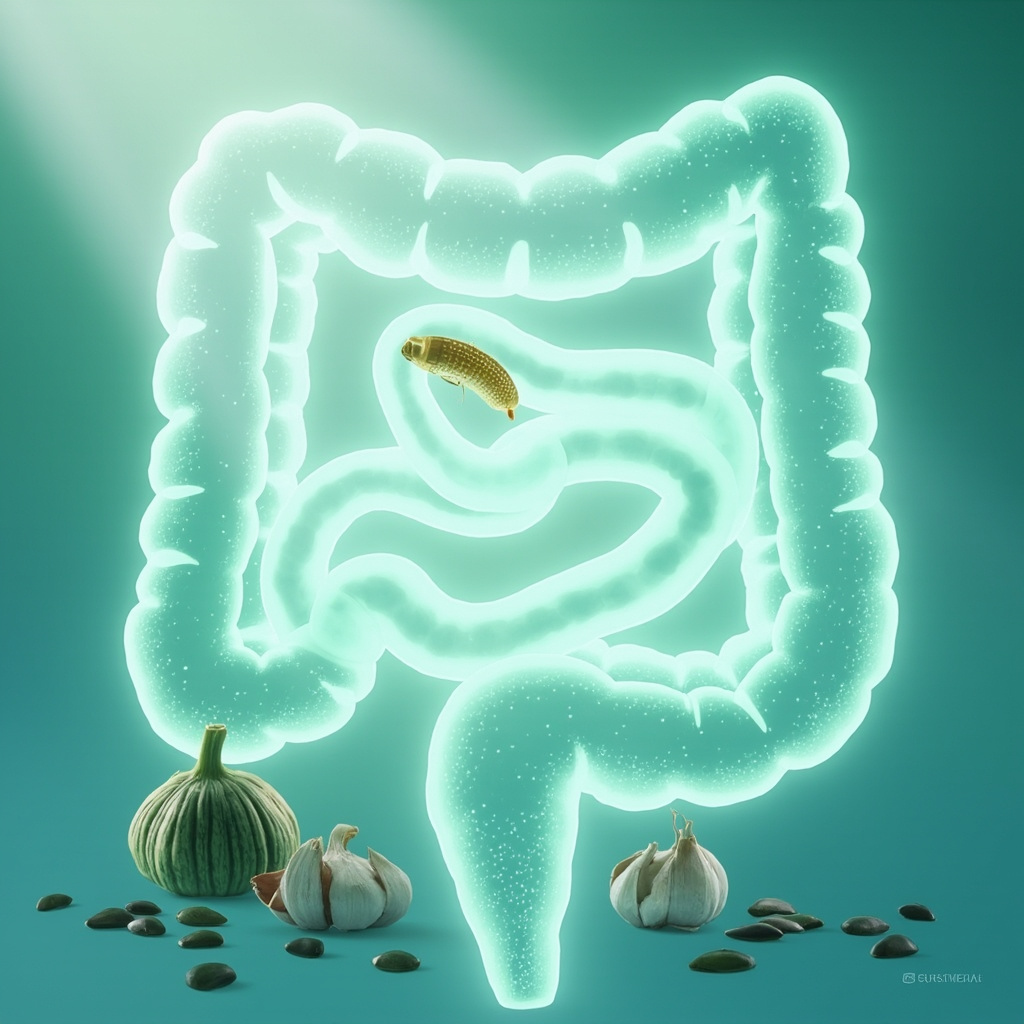
What is Echinoparyphium recurvatum?
Echinoparyphium recurvatum is a type of fluke, a small parasitic worm that lives in the intestines. It mainly affects birds and some mammals, but it can occasionally show up in humans, especially in areas with certain freshwater snails or undercooked fish and tadpoles. In the body, it attaches to the lining of the digestive tract, which can lead to irritation and poor nutrient absorption. For more details, see the glossary entry.
While infections are rare in humans, biomarkers from electrical activity scans can detect its presence or imbalance. This helps spot issues early, before symptoms become overwhelming.
How It Affects Digestion and Health
When out of balance, this parasite damages the gut lining, causing inflammation and discomfort. Common signs include:
- Abdominal pain or bloating
- Diarrhea or irregular bowel movements
- Fatigue from poor nutrient uptake
- Nausea or loss of appetite
Over time, it can weaken the digestive system, making it harder for the body to process food efficiently. This ties into broader gut health, where microbiome balance plays a key role. Stress from the infection can worsen these effects, creating a cycle of poor digestion and low energy.
The Emotional Side
Gut issues often go beyond the physical. An imbalance with Echinoparyphium recurvatum may bring feelings of anxiety, worry, and vulnerability. You might feel on edge about your health, fearing ongoing discomfort or illness. This stems from the body's stress response to invaders in the digestive tract.
Interestingly, when addressed as a resource, it supports recovery and safety. Nutrition helps calm these emotions by strengthening the gut barrier and reducing inflammation, fostering a sense of inner security.
Nutrition Strategies for Balance
As a nutritionist, I focus on foods that nourish the gut, fight inflammation, and support the microbiome. While medical treatment like praziquantel is standard for active infections, diet builds resilience and aids recovery.
Key Nutrients and Foods
- Garlic and Onions: Rich in sulfur compounds with natural anti-parasitic effects. Add raw or lightly cooked to meals daily.
- Pumpkin Seeds: High in cucurbitacin, which paralyzes worms. Eat a handful raw, unsalted, as a snack.
- Papaya: Contains papain enzyme that breaks down parasite proteins. Fresh papaya or seeds work best.
- Pomegranate: Antioxidants and punicalagins target gut pathogens. Juice or whole fruit.
- Ginger: Soothes inflammation and aids digestion. Fresh ginger tea or in stir-fries.
- Fermented Foods: Yogurt, kefir, sauerkraut boost good bacteria to crowd out parasites.
Anti-Inflammatory Supports
Focus on omega-3s from fatty fish like salmon, or flaxseeds, to reduce gut swelling. Zinc from oysters, nuts, and seeds repairs the intestinal lining. Vitamin A from carrots and sweet potatoes strengthens mucosal barriers.
Avoid sugars and refined carbs, as they feed parasites. Opt for whole grains sparingly, prioritizing fiber-rich veggies.
Building Long-Term Gut Resilience
A balanced diet correlates with better metabolism and stress handling. Track biomarkers for nutrient levels like B vitamins and iron, often depleted in gut imbalances. Pair nutrition with hydration and stress relief for full effect.
Sample Daily Plan:
- Breakfast: Smoothie with papaya, yogurt, and ginger.
- Snack: Pumpkin seeds and pomegranate.
- Lunch: Garlic stir-fry with veggies and fish.
- Dinner: Fermented veggies with lean protein.
This approach not only targets Echinoparyphium recurvatum but enhances overall vitality. When used as a resource, it promotes digestive harmony and emotional calm, turning vulnerability into strength.
- 1. en.wikipedia.org
- 2. drwillcole.com
- 3. pmc.ncbi.nlm.nih.gov
- 4. cambridge.org
- 5. link.springer.com
- 6. cambridge.org
- 7. cambridge.org
- 8. pmc.ncbi.nlm.nih.gov
- 9. elifesciences.org
- 10. besjournals.onlinelibrary.wiley.com
- 11. sydneygutclinic.com
- 12. lamclinic.com
- 13. parahostdis.org
- 14. researchgate.net
- 15. veterinaryparasitology.com
- 16. pubmed.ncbi.nlm.nih.gov
- 17. marinespecies.org
- 18. emedicine.medscape.com
- 19. sciencedirect.com
- 20. gavinpublishers.com
- 21. academic.oup.com
- 22. rupahealth.com
- 23. link.springer.com
- 24. pmc.ncbi.nlm.nih.gov
- 25. pristyncare.com
- 26. researchgate.net
- 27. parahostdis.org
- 28. nutranourish.com
- 29. pmc.ncbi.nlm.nih.gov
- 30. portlandpress.com
- 31. ebsco.com
- 32. digitalcommons.unl.edu
- 33. apollo247.com
- 34. pmc.ncbi.nlm.nih.gov
Related posts
Glossary
- Energy and mind Structures > iron
- Energy and mind Structures > sulfur
- Energy and mind Structures > Focused Coherence; Focus
- Energy and mind Structures > Security
- Energy and mind Structures > Echinoporyphium recurvatum
- TCM Recipes > Intestinal Harmony: A TCM Recipe for Digestive Relief
- TCM Recipes > Digestive Relief: A Simple Guide to Ease Bloating & Indigestion
- TCM Recipes > Boost Your Energy: A TCM Recipe for Fatigue Relief
- TCM Recipes > Digestive Relief: Remedies for Abdominal Pain & Nausea
- Energy and mind Structures > pathogens
- Energy and mind Structures > Digestion
- Energy and mind Structures > Stress
- Stimuli > Ginger
- Stimuli > AIDS
- Stimuli > Pain
- Binaural beats > Inflammation Relief: Heal Faster with Binaural Beats
- Binaural beats > Bowel Harmony: Enhancing Digestive Health and Balance
- Stimuli > Worms
- Stimuli > Parasites
- Stimuli > Lead
- Stimuli > Harmony
see also...
- Energy and mind Structures > HRV
- Energy and mind Structures > TCM Recipes > Digestive Relief: Remedies for Abdominal Pain & Nausea
- Testimonials > 61% Drop in Nausea and 58% in Headaches from Sound Therapy
- Binaural beats > Stimuli > Sacral, Zinc Etc
- Binaural beats > Bowel Harmony: Enhancing Digestive Health and Balance