


Doloris Bacteria: Nutrition for Gut Balance
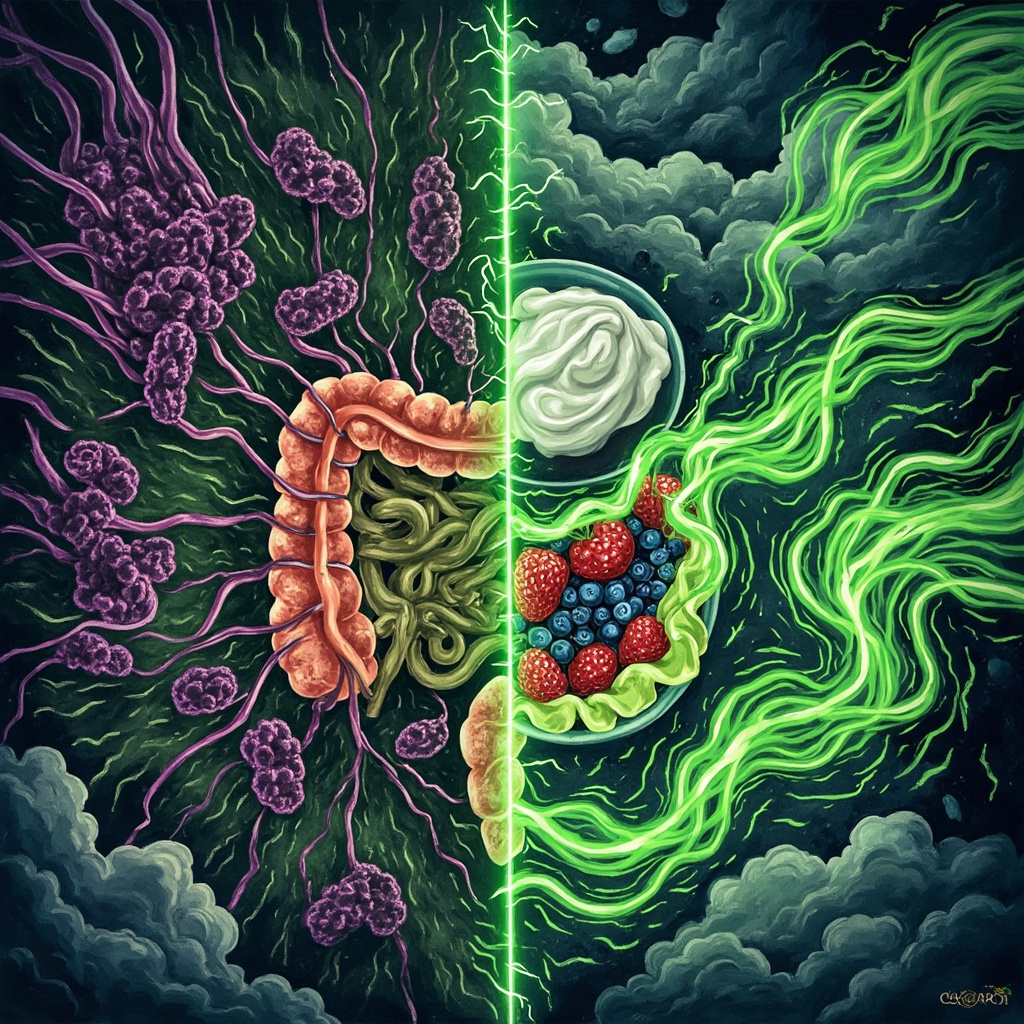
What is Doloris Bacteria?
Doloris Bacteria refers to a specific microbial imbalance detected in the body's electrical activity patterns. This biomarker highlights bacteria that target the stomach and intestines, damaging their protective lining and disrupting normal food breakdown. When out of balance, it leads to ongoing digestive upset. For more details, see the glossary entry.
Think of your gut as a busy factory processing nutrients. These bacteria can slow it down, causing backups like bloating and cramps. Unlike helpful gut microbes, an imbalance here creates chaos, pulling energy from daily life.
Common Physical Symptoms
People with this imbalance often notice:
- Sharp stomach cramps, especially after meals or at night.
- Bloating and gas that lingers.
- Irregular bowel movements, from diarrhea to constipation.
- Nausea or a general feeling of fullness.
- Fatigue from poor nutrient absorption.
These issues stem from irritated gut walls, which struggle to protect against toxins and absorb vitamins properly. Over time, this weakens overall vitality.
Emotional Ties to Gut Distress
Your gut and mind talk constantly through the gut-brain axis. Doloris Bacteria imbalance stirs up anxiety, unease, and frustration. Nighttime cramps disrupt sleep, heightening stress the next day. This creates a cycle: stress worsens digestion, and poor digestion fuels worry.
When emotions run high, gut motility slows, letting harmful bacteria thrive. Breaking this loop starts with soothing the gut, which in turn calms the mind.
Nutritional Keys to Restore Balance
As a nutritionist, I focus on foods that nourish the gut lining, crowd out bad bacteria, and reduce inflammation. Aim for a diverse, plant-rich diet to support beneficial microbes.
Essential Nutrients
- Probiotics: Live good bacteria from fermented foods to compete with invaders.
- Prebiotics: Fibers that feed friendly microbes, like in onions and garlic.
- Zinc and glutamine: Repair gut walls; found in pumpkin seeds and bone broth.
- Omega-3s: Fight inflammation; from fatty fish or flaxseeds.
- Antioxidants: Protect cells; in berries and green tea.
Foods to Add Daily
- Yogurt or kefir: Probiotic boost for smoother digestion.
- Oats and bananas: Gentle fibers to ease cramps.
- Leafy greens like spinach: Magnesium relaxes gut muscles.
- Ginger tea: Settles nausea and reduces pain.
- Sauerkraut or kimchi: Fermented veggies for microbial diversity.
- Bone broth: Heals lining with collagen.
- Turmeric: Natural anti-inflammatory with black pepper for better absorption.
Start with small portions to avoid overwhelming your system.
Foods to Limit or Avoid
- Sugary treats: Feed bad bacteria growth.
- Processed meats: High in preservatives that irritate the gut.
- Fried foods: Excess fats promote inflammation.
- Dairy if sensitive: Can thicken mucus in the gut.
- Excessive caffeine: Speeds up motility unevenly.
Track how your body responds with a simple food diary.
From Problem to Ally
Balanced Doloris Bacteria acts as a resource, promoting steady digestion and easing emotional strain. It supports nutrient uptake, steady energy, and resilience to stress. Nutrition shifts the environment, encouraging harmony.
A Sample Day
Breakfast: Oatmeal with berries and yogurt. Lunch: Grilled fish, quinoa, steamed broccoli. Snack: Handful of almonds and an apple. Dinner: Chicken bone broth soup with ginger and greens.
Combine with stress reducers like short walks. Many see relief in weeks.
If symptoms persist, consider biomarker assessment for personalized insights. Nutrition empowers your body's natural healing.
- 1. coherence.today
- 2. coherence.today
- 3. cedars-sinai.org
- 4. uniteddigestive.com
- 5. coherence.today
- 6. rutgers.edu
- 7. esmed.org
- 8. pmc.ncbi.nlm.nih.gov
- 9. lifestylemedicine.stanford.edu
- 10. my.clevelandclinic.org
- 11. coherence.today
- 12. coherence.today
- 13. washingtonpost.com
- 14. mayoclinic.org
- 15. prebioticassociation.org
- 16. healthline.com
- 17. samitivejhospitals.com
- 18. youtube.com
- 19. hopkinsmedicine.org
- 20. coherence.today
- 21. pmc.ncbi.nlm.nih.gov
- 22. healthline.com
- 23. sciencedirect.com
- 24. news.emory.edu
- 25. coherence.today
- 26. medicalnewstoday.com
- 27. nebraskamed.com
- 28. pmc.ncbi.nlm.nih.gov
- 29. nutraingredients.com
- 30. ucfhealth.com
- 31. everydayhealth.com
- 32. ncbi.nlm.nih.gov
- 33. npr.org
- 34. instagram.com
- 35. medlineplus.gov
- 36. cdhf.ca
- 37. pcrm.org
- 38. ctcd.edu
- 39. coherence.today
- 40. facebook.com
- 41. sciencedirect.com
- 42. coherence.today
- 43. facebook.com
- 44. napiers.net
- 45. coherence.today
- 46. instagram.com
- 47. pmc.ncbi.nlm.nih.gov
- 48. coherence.today
- 49. tristategastro.net
- 50. iffgd.org
- 51. health.harvard.edu
- 52. coherence.today
- 53. my.clevelandclinic.org
- 54. ifm.org
- 55. ummhealth.org
- 56. sciencedaily.com
- 57. pmc.ncbi.nlm.nih.gov
Related posts
Glossary
- Energy and mind Structures > magnesium
- Energy and mind Structures > Focused Coherence; Focus
- Energy and mind Structures > Doloris Bacteria
- Body zones > muscles
- TCM Recipes > Constipation Relief: Herbal Remedies for Digestive Comfort
- TCM Recipes > Digestive Relief: A Simple Guide to Ease Bloating & Indigestion
- TCM Recipes > Boost Your Energy: A TCM Recipe for Fatigue Relief
- Energy and mind Structures > sleep
- Energy and mind Structures > vitality
- Energy and mind Structures > toxins
- Energy and mind Structures > Digestion
- Energy and mind Structures > Stress
- Stimuli > IGF1, Growth
- Stimuli > Ginger
- Stimuli > Pain
- Binaural beats > Inflammation Relief: Heal Faster with Binaural Beats
- Binaural beats > Bowel Harmony: Enhancing Digestive Health and Balance
- Stimuli > Bone
- Stimuli > Harmony
see also...
- Energy and mind Structures > HRV
- Energy and mind Structures > Body zones > cerebrospinal fluid
- Energy and mind Structures > TCM Recipes > Tension Headache Relief: A Natural Approach to Ease Stress
- Testimonials > 61% Drop in Nausea and 58% in Headaches from Sound Therapy
- Binaural beats > Stimuli > Sacral, Zinc Etc
- Binaural beats > Bowel Harmony: Enhancing Digestive Health and Balance