


Stomach Muscles: Nutrition for Strength and Flow
Understanding Stomach Muscles
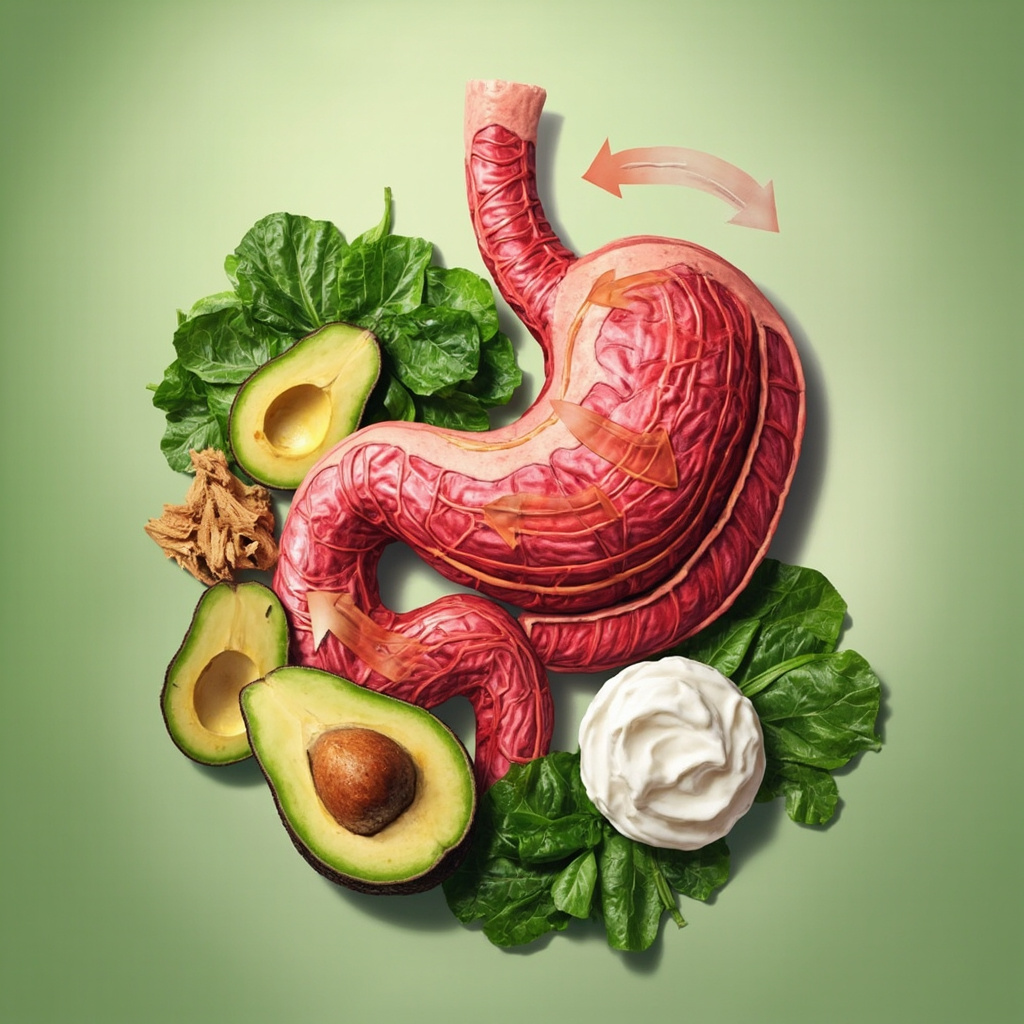
The stomach muscles sit in the upper abdomen, below the ribcage. They form strong layers that contract to mix food with digestive juices. This churning breaks down meals into a liquid form, ready for nutrient absorption further along in the intestines. When healthy, these muscles ensure smooth digestion and steady energy release.
For more details, see the stomach glossary.
Signs of Imbalance
Weak or tense stomach muscles often show up as:
- Acid reflux or heartburn, where contents flow back up.
- Bloating and discomfort after eating.
- Ulcers from excess acid wearing the lining.
- Slow digestion, leading to constipation or poor nutrient uptake.
These issues can sap vitality, cause fatigue, and disrupt sleep. Factors like poor diet, infections, or ongoing stress weaken the muscles over time.
Emotional Ties to the Stomach
The stomach links closely to feelings. Anxiety, worry, or stress can tighten these muscles, slowing digestion. Think of it as the body holding onto an 'indigestible morsel' - a tough situation or fear of change. Overburdened emotions mimic physical overload, creating a cycle of discomfort. Balanced nutrition helps break this by supporting both body and mind.
Nutrition to Strengthen Stomach Muscles
Food choices directly fuel muscle strength and repair. Focus on nutrients that protect the lining, reduce inflammation, and ease tension:
Key Minerals
- Zinc: Repairs the stomach lining and fights ulcers. Found in pumpkin seeds, lentils, and chickpeas.
- Magnesium: Relaxes muscles and counters stress. Get it from spinach, almonds, and bananas.
- Potassium: Supports muscle contractions for smooth churning. Avocados, sweet potatoes, and yogurt are rich sources.
Vitamins for Protection
- Vitamin C: Boosts healing and acid balance. Citrus fruits, bell peppers, and broccoli deliver it.
- B Vitamins (like B6 and B12): Aid enzyme production for breakdown. Eggs, fish, and whole grains provide plenty.
Gut-Friendly Foods
- Fermented items like yogurt or kefir introduce good bacteria to aid digestion.
- Fiber-rich veggies (carrots, beets) gently support flow without irritation.
- Bone broth soothes and nourishes the lining with natural collagen.
Avoid irritants: Spicy foods, caffeine, and alcohol can strain muscles. Eat smaller, frequent meals to reduce load.
Using Stomach Muscles as a Resource
A strong stomach acts as a team player. It supplies broken-down nutrients to the whole body, signals hunger or fullness wisely, and steadies emotions by linking gut health to mood. When prioritized, it enhances overall energy, immunity, and calm.
Practical Tips for Daily Support
- Start days with warm lemon water to gently wake muscles.
- Chew thoroughly - it eases the stomach's work.
- Pair proteins with veggies for balanced digestion.
- Track responses: Note bloating after certain foods to spot sensitivities.
- Manage stress with walks or deep breaths, as tension hits digestion hard.
Consistent nutrition rebuilds stomach muscle resilience. Over weeks, expect better comfort, steady energy, and emotional ease. Small changes yield big results in digestion and well-being.
This builds on prior insights into stomach health, focusing on muscle power for lasting flow.
Related posts
Glossary
- Energy and mind Structures > Focused Coherence; Focus
- Energy and mind Structures > Water
- Energy and mind Structures > Immunity
- Body zones > muscles
- Body zones > stomach
- TCM Recipes > Constipation Relief: Herbal Remedies for Digestive Comfort
- TCM Recipes > Digestive Relief: A Simple Guide to Ease Bloating & Indigestion
- TCM Recipes > Heartburn Relief: A Simple TCM Recipe for Comfort
- TCM Recipes > Stomach Health: Natural Remedies for Digestive Issues
- TCM Recipes > Boost Your Energy: A TCM Recipe for Fatigue Relief
- Energy and mind Structures > sleep
- Energy and mind Structures > vitality
- Energy and mind Structures > Digestion
- Energy and mind Structures > Stress
- Stimuli > Lemon
- Binaural beats > Inflammation Relief: Heal Faster with Binaural Beats
- Stimuli > Bone
see also...
- Energy and mind Structures > HRV
- Energy and mind Structures > Body zones > stomach
- Energy and mind Structures > TCM Recipes > Tension Headache Relief: A Natural Approach to Ease Stress
- Binaural beats > Stimuli > Bone
- Binaural beats > Desensitizer: Boost Your Energy and Focus Effectively
- Testimonials > 61% Drop in Nausea and 58% in Headaches from Sound Therapy