


Small Intestine: Nutrient Absorption and Emotional Discernment
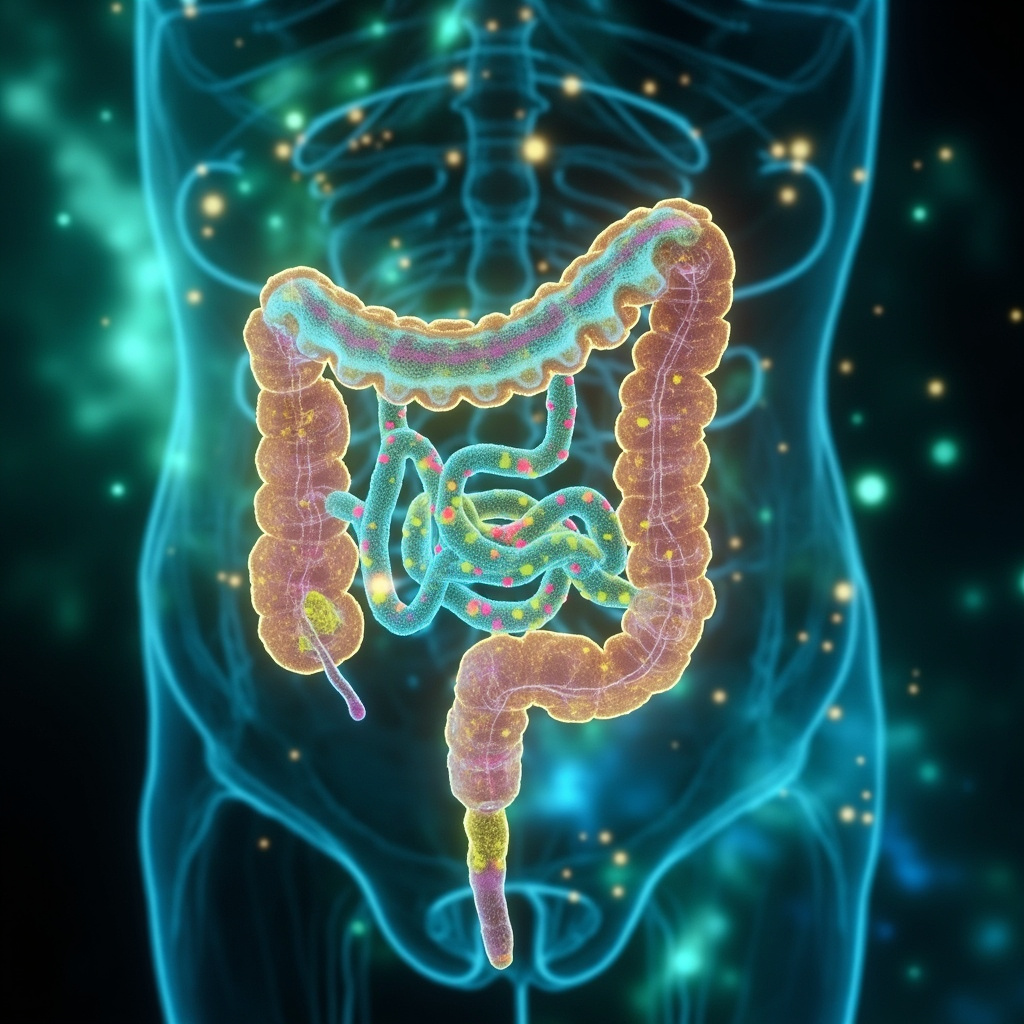
The small intestine plays a central role in turning food into fuel for your body. Located between the stomach and large intestine, this coiled tube is where the magic of digestion mostly happens. Enzymes break down proteins, fats, and carbohydrates, while its walls absorb vitamins, minerals, and other essentials into your bloodstream. For a deeper look, check the glossary.
Key Physical Roles
- Nutrient Breakdown and Uptake: About 90% of absorption occurs here. The duodenum handles initial mixing with bile and enzymes, the jejunum grabs sugars and amino acids, and the ileum captures B12 and bile salts.
- Gut Barrier Protection: Tiny villi and microvilli increase surface area for efficiency and block harmful bacteria.
- Fluid Balance: It processes water and electrolytes to keep hydration steady.
When working well, you feel energized, with steady weight and clear skin. Poor function disrupts this, starving cells of basics like iron or B vitamins.
Signs of Small Intestine Imbalance
Common issues stem from inflammation, infections, or stress. Watch for:
- Digestive Distress: Bloating, diarrhea, or greasy stools signal malabsorption.
- Nutrient Shortfalls: Fatigue from low iron, brittle nails from zinc gaps, or nerve tingles from B12 lack.
- Weight and Energy Shifts: Unexplained loss or constant tiredness.
- Linked Problems: Skin rashes, joint pain, or weakened immunity from poor uptake.
Stress worsens this by slowing motility and enzyme output, trapping food longer and breeding imbalance.
Nutritional Ways to Nourish It
As a nutritionist, I focus on foods and habits that support this vital organ:
- Enzyme Boosters: Pineapple and papaya supply natural enzymes; fermented foods like yogurt add probiotics.
-
Easy-to-Absorb Nutrients: Nutrient Food Sources Benefit Iron Leafy greens, lean meats with vitamin C Fights anemia B Vitamins Eggs, nuts, whole grains Energy and nerves Healthy Fats Avocados, olive oil Aid fat-soluble vitamins - Fiber Balance: Soluble types from oats soothe; avoid excess insoluble if inflamed.
- Hydration and Timing: Sip water between meals; small, frequent eats ease load.
Supplements like digestive enzymes or glutamine may help, but test for deficiencies first via bloodwork or biomarkers.
Emotional Ties to Digestion
Beyond food, the small intestine mirrors how we handle life. In traditional views, it separates the 'pure' from 'impure'-not just nutrients, but experiences. Feeling overwhelmed by relationships or decisions? This can show as gut unease.
- Overload Signs: Rumination, anxiety, or 'stuck' feelings reflect poor emotional sorting.
- Harmony Benefits: Clear thinking, better boundaries, and integrated lessons reduce stress on body and mind.
Practices like mindful eating-chewing slowly while noting feelings-align physical and emotional flow.
Harnessing It as a Resource
A balanced small intestine fuels everything else. It supplies energy for muscles, clarity for brain, and calm for nerves. Call on it during stress: visualize nutrients flowing freely, carrying away emotional waste.
In assessments, strong markers here predict better metabolism and resilience. Pair with gut-friendly diets for peak performance.
Nutritionist Tips for Daily Optimization
- Track symptoms: Log meals and moods to spot patterns.
- Stress Relief: Short walks post-meal aid motility.
- Personalize: Low-carb for inflammation; protein-rich for repair.
- Monitor Progress: Repeat checks for nutrient levels.
Support your small intestine, and watch vitality rise. Simple shifts in eating and awareness yield big gains in health and inner peace.
- 1. napiers.net
- 2. beyondhealingcounseling.com
- 3. columbiasurgery.org
- 4. ufhealth.org
- 5. russellhavranekmd.com
- 6. rutgers.edu
- 7. davidyaminimd.com
- 8. cincinnati-gi.com
- 9. youtube.com
- 10. uclahealth.org
- 11. advancedfunctionalmedicine.com.au
- 12. npr.org
- 13. draxe.com
- 14. iwholehealth.com
- 15. infinityflexibility.com
- 16. functionalkinesiology.co.uk
- 17. hendersonhealinghub.com
- 18. balancecharleston.com
- 19. pmc.ncbi.nlm.nih.gov
- 20. texashealth.org
- 21. age-well-dorset-physio.com
- 22. medlineplus.gov
- 23. totalhealthchiropractic.com.au
- 24. physoc.onlinelibrary.wiley.com
- 25. uniteddigestive.com
- 26. premierginj.com
- 27. verywellmind.com
- 28. acupuncturekelowna.com
- 29. pmc.ncbi.nlm.nih.gov
- 30. gutmicrobiotaforhealth.com
- 31. naturalchoicemedicalclinic.com
- 32. sciencedaily.com
- 33. my.clevelandclinic.org
- 34. refoxology.co.uk
- 35. wakegastro.com
- 36. fau.edu
- 37. nature.com
- 38. columbiadoctors.org
Related posts
Glossary
- Energy and mind Structures > iron
- Energy and mind Structures > Focused Coherence; Focus
- Energy and mind Structures > Water
- Energy and mind Structures > Peace
- Energy and mind Structures > Performance
- Energy and mind Structures > Immunity
- Body zones > small intestine
- Body zones > muscles
- Body zones > nerves
- TCM Recipes > Skin Health: Remedies for Acne and Eczema
- TCM Recipes > Digestive Relief: A Simple Guide to Ease Bloating & Indigestion
- TCM Recipes > Stomach Health: Natural Remedies for Digestive Issues
- TCM Recipes > Brain Boost: Clear Fog, Improve Focus & Memory
- TCM Recipes > Boost Your Energy: A TCM Recipe for Fatigue Relief
- Energy and mind Structures > vitality
- Energy and mind Structures > Digestion
- Energy and mind Structures > Panchaka; Large intestine
- Energy and mind Structures > Stress
- Stimuli > Pain
- Binaural beats > Inflammation Relief: Heal Faster with Binaural Beats
- Stimuli > Anemia
- Stimuli > Zinc
- Stimuli > GAPDH, Metabolism
see also...
- Energy and mind Structures > HRV
- Energy and mind Structures > Body zones > plasma
- Energy and mind Structures > TCM Recipes > Tension Headache Relief: A Natural Approach to Ease Stress
- Testimonials > 61% Drop in Nausea and 58% in Headaches from Sound Therapy
- Binaural beats > Stimuli > Chakra Throat
- Binaural beats > Desensitizer: Boost Your Energy and Focus Effectively