


Small Intestine: Nutrition for Absorption Balance
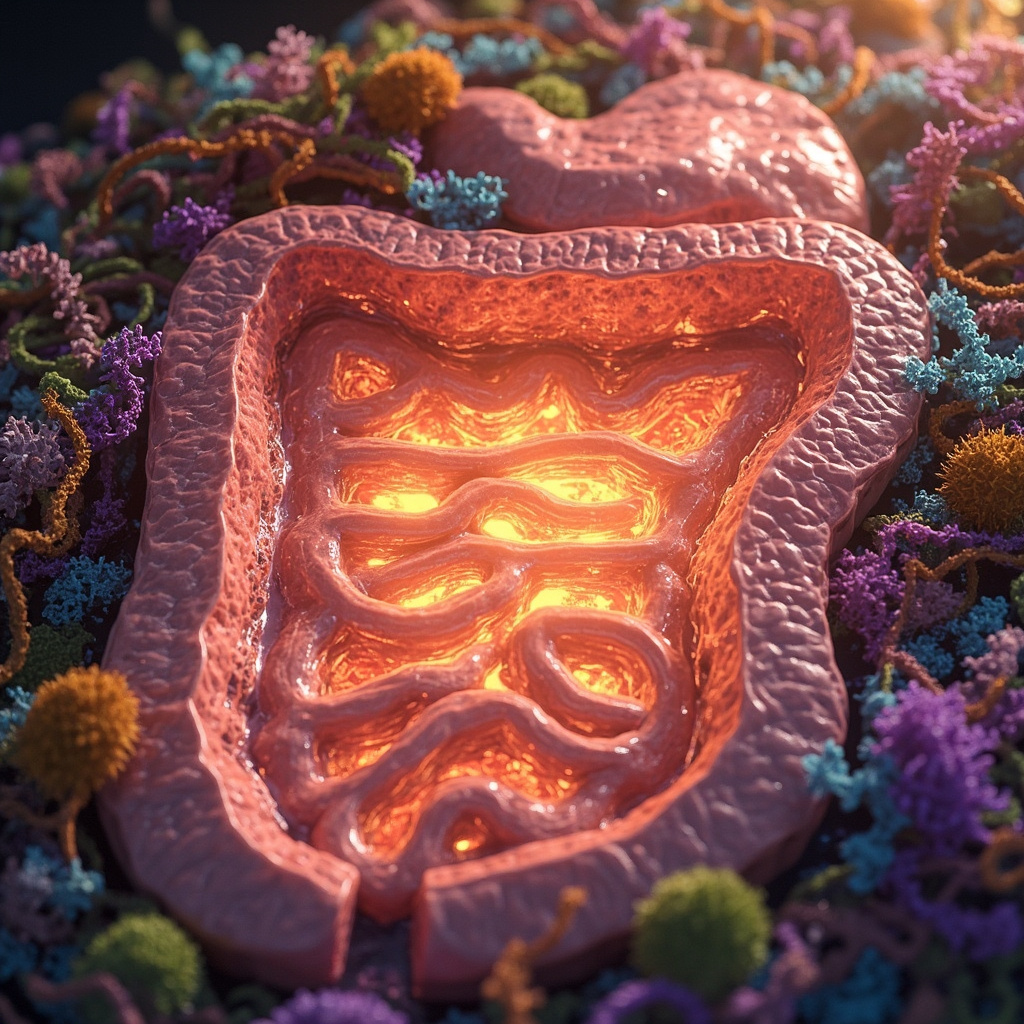
The Vital Role of the Small Intestine
Your small intestine sits between the stomach and large intestine in the abdomen. About 20 feet long, it handles most of the work in breaking down food and pulling nutrients into your bloodstream. Enzymes from the pancreas and bile from the liver help digest fats, proteins, and carbs here. Healthy function means steady energy, strong immunity, and balanced hormones. When it struggles, you might face fatigue, bloating, diarrhea, or nutrient shortages leading to weak bones, anemia, or poor concentration.
Signs of Small Intestine Imbalance
Poor absorption shows up as digestive woes: gas, cramps, or undigested food in stool. Over time, it causes deficiencies in vitamins like B12, D, or iron, sparking tiredness or mood dips. Inflammation from food sensitivities or stress harms its lining, worsening issues like leaky gut.
Emotionally, the small intestine ties to discernment and processing experiences. Trouble here might mean feeling overwhelmed, indecisive, or stuck on past events. Stress tightens digestion, blocking nutrient uptake and emotional flow.
Nutritional Keys to Support It
Feed your small intestine with foods that soothe inflammation, feed good bacteria, and aid repair:
- Fiber sources: Legumes like beans and lentils provide stachyose and raffinose. These nourish the local microbiome, unlike colon-focused fibers.
- Probiotic-rich: Yogurt, kefir, or fermented veggies introduce helpful bacteria.
- Anti-inflammatory: Fatty fish (omega-3s), turmeric, ginger reduce swelling.
- Nutrient-dense: Leafy greens (vitamins A, K), eggs (B vitamins), nuts (zinc, magnesium) rebuild the lining.
- Hydration and enzymes: Plenty of water; pineapple or papaya for natural digestive aids.
Avoid irritants: Processed sugars, fried foods, excessive gluten or dairy if sensitive. These disrupt the microbiome and spike inflammation.
Recent Research Highlights
New studies reveal the small intestine's big impact on metabolism and appetite. It digests fiber via its microbes, producing short-chain fatty acids that protect the gut barrier and control blood sugar. The ileum (end section) releases hormones like PYY and GLP-1 to curb hunger soon after eating. Overnight, it retains food remnants for microbial activity, flushing them out by morning.
A 2025 New Scientist review notes how poor small intestine health links to obesity, diabetes, and aging via leaky gut and imbalanced microbes. Cultivating its ecosystem with targeted fibers improves nutrient uptake and energy.
Using It as a Health Resource
A strong small intestine fuels the whole body. It supplies energy and building blocks to organs, easing stress on the liver or adrenals. Emotionally, it helps sift useful lessons from life, fostering clarity and calm.
In BioCoherence, check small intestine biomarkers via electrical activity scans. These show energy levels, agitation, and links to other areas. Balanced nutrition enhances resonance frequencies for deeper healing.
Daily Nutrition Plan
Breakfast: Oatmeal with berries, chia seeds, yogurt. Lunch: Lentil soup, spinach salad, olive oil dressing. Snack: Apple with almond butter. Dinner: Grilled salmon, quinoa, steamed broccoli.
Eat small, frequent meals. Chew well. Track how you feel-more energy signals success. Pair with stress relief like walks to link gut and mind.
Nourish your small intestine for vibrant health and sharp discernment.
- 1. mdpi.com
- 2. patient.gastro.org
- 3. hopkinsmedicine.org
- 4. nature.com
- 5. instagram.com
- 6. mdpi.com
- 7. mdpi.com
- 8. isappscience.org
- 9. pmc.ncbi.nlm.nih.gov
- 10. pubmed.ncbi.nlm.nih.gov
- 11. pmc.ncbi.nlm.nih.gov
- 12. physiology.org
- 13. sciencedirect.com
- 14. my.clevelandclinic.org
- 15. medicalxpress.com
- 16. sciencedaily.com
- 17. superpower.com
- 18. allieddigestivehealth.com
- 19. innerbuddies.com
- 20. healthday.com
- 21. gutmicrobiotaforhealth.com
- 22. biologicalsciences.uchicago.edu
- 23. ncbi.nlm.nih.gov
- 24. ars.usda.gov
- 25. russellhavranekmd.com
- 26. pmc.ncbi.nlm.nih.gov
- 27. columbiasurgery.org
- 28. ars.usda.gov
- 29. journals.physiology.org
- 30. clinicalnutritionespen.com
- 31. my.clevelandclinic.org
- 32. pmc.ncbi.nlm.nih.gov
- 33. uchicagomedicine.org
- 34. allaboutfeed.net
- 35. mskcc.org
- 36. frontiersin.org
- 37. nature.com
- 38. sciencedirect.com
- 39. newscientist.com
- 40. crohnscolitisfoundation.org
Related posts
Glossary
- Energy and mind Structures > iron
- Energy and mind Structures > Concentration
- Energy and mind Structures > Immunity
- Body zones > hormones
- Body zones > bones
- Body zones > small intestine
- Body zones > face
- Energy and mind Structures > Organs
- TCM Recipes > Pancreas Health: Improve Digestion and Blood Sugar Balance
- TCM Recipes > Digestive Relief: A Simple Guide to Ease Bloating & Indigestion
- TCM Recipes > Liver Health: A TCM Recipe for Balance and Calm
- TCM Recipes > Stomach Health: Natural Remedies for Digestive Issues
- Energy and mind Structures > Digestion
- Energy and mind Structures > Panchaka; Large intestine
- Energy and mind Structures > Stress
- Stimuli > Ginger
- Stimuli > AIDS
- Binaural beats > Inflammation Relief: Heal Faster with Binaural Beats
- Stimuli > Anemia
- Stimuli > Blood
see also...
- Energy and mind Structures > HRV
- Energy and mind Structures > Body zones > thoracic
- Energy and mind Structures > TCM Recipes > Calm Your Mind: A TCM Recipe for Anxiety Relief
- Binaural beats > Stimuli > Variolinum
- Binaural beats > Desensitizer: Boost Your Energy and Focus Effectively
- Testimonials > 61% Drop in Nausea and 58% in Headaches from Sound Therapy