


Intestinal Villi: Nutrition for Absorption Balance
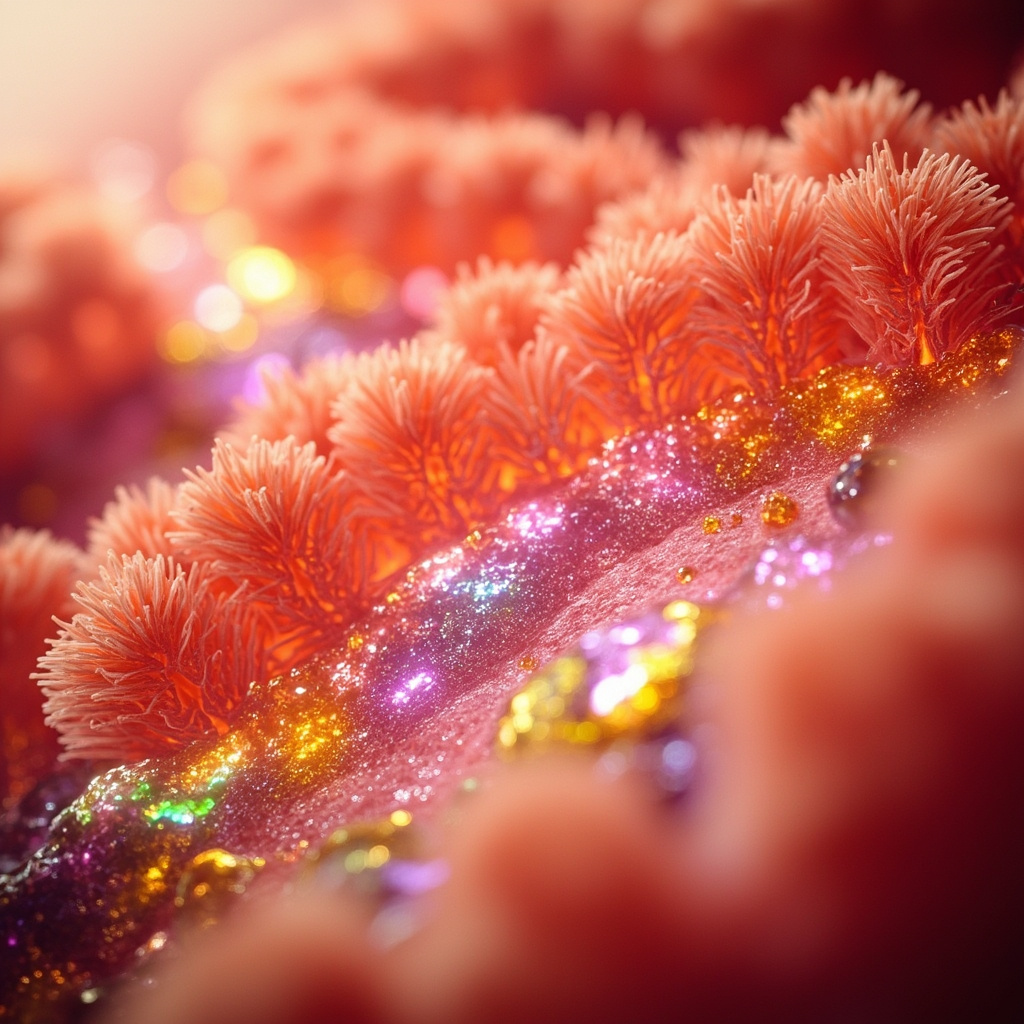
What Are Intestinal Villi?
Intestinal villi are small, finger-like projections lining the walls of your small intestine. They look like tiny brushes under a microscope and greatly increase the surface area available for absorbing nutrients from digested food. Each villus contains blood vessels and a central lacteal that carry vitamins, minerals, proteins, fats, and carbohydrates into your bloodstream.
When healthy, they ensure your body gets the building blocks it needs for energy, repair, and daily function. For more details, see the glossary entry.
Why Healthy Villi Matter
These structures are key to efficient digestion. They work with enzymes to break down food particles and pull nutrients across the intestinal wall. Without strong villi, you may experience malabsorption, where essential nutrients slip away unused.
Common signs include:
- Persistent fatigue or low energy
- Unexplained weight loss
- Nutrient deficiencies, like low iron or B vitamins
- Bloating, diarrhea, or irregular bowel movements
- Weak immunity or slow healing
Recent research, including a 2025 review, confirms that villus height directly impacts nutrient uptake and overall gut health.
Nutrition to Support Villus Health
Diet plays a central role in maintaining tall, functional villi. Studies on animals, which often translate to humans, show specific nutrients promote growth and repair:
Essential Proteins and Amino Acids
Protein-rich foods provide amino acids like arginine, methionine, and lysine, which help restore villus structure:
- Eggs and lean poultry
- Fish like salmon
- Legumes such as lentils and chickpeas
- Dairy or plant-based alternatives
Vitamins and Minerals
Vitamin A is vital for villus integrity:
Chelated minerals, like zinc and manganese, also support height.
Carbohydrates and Prebiotics
Certain carbs feed beneficial gut bacteria, enhancing villi:
- Fructose sources: Fruits like bananas and apples
- High-fiber grains: Oats, barley
- Prebiotic foods: Garlic, onions, asparagus, leeks
Probiotics and Functional Foods
Live cultures improve microbiota balance:
- Yogurt, kefir, sauerkraut
- Kimchi or miso
Polyphenols like curcumin (from turmeric) and flavonoids from herbs protect and lengthen villi.
Emotional Links to Intestinal Villi
Beyond physical nutrition, villi relate to how we process life. Struggles here may reflect challenges 'absorbing' experiences-feeling overwhelmed, fearing scarcity, or holding unresolved emotions. Stress can inflame the gut, shortening villi and worsening malabsorption.
Gentle practices like mindful eating or stress reduction support emotional digestion alongside diet.
Villi as a Whole-Body Resource
Strong villi supply nutrients body-wide, fueling organs like your thyroid for energy, adrenals for stress resilience, and brain for clarity. They enhance vitality, aiding recovery and performance.
Practical Daily Tips
- Eat balanced meals with protein, fiber, and colorful veggies.
- Include fermented foods 3-4 times weekly.
- Stay hydrated to aid nutrient transport.
- Avoid excesses like gluten if sensitive, as it can damage villi in celiac cases.
- Chew thoroughly to ease the workload on your intestine.
By prioritizing these choices, you optimize absorption, reduce fatigue, and build resilience. Small changes yield big results.
- 1. uniteddigestive.com
- 2. pmc.ncbi.nlm.nih.gov
- 3. advanced.onlinelibrary.wiley.com
- 4. mdpi.com
- 5. russellhavranekmd.com
- 6. spirehealthcare.com
- 7. allieddigestivehealth.com
- 8. hopkinsmedicine.org
- 9. muschealth.org
- 10. visiblebody.com
- 11. asm.org
- 12. stvincents.org
- 13. sciencedirect.com
- 14. siallac.com
- 15. rockymountaingastro.com
- 16. emersonhealth.org
- 17. sciencedirect.com
- 18. uhc.com
- 19. frontiersin.org
- 20. lifespa.com
- 21. medicalwesthospital.org
- 22. nhs.uk
- 23. verywellhealth.com
- 24. study.com
- 25. grandoaksdc.org
- 26. ncbi.nlm.nih.gov
- 27. medium.com
- 28. rjptonline.org
- 29. facebook.com
- 30. youtube.com
- 31. health.harvard.edu
- 32. stevegranthealth.com
- 33. hartfordhospital.org
- 34. nature.com
- 35. dukehealth.org
- 36. mah.bioscientifica.com
- 37. pmc.ncbi.nlm.nih.gov
- 38. mitocare.de
- 39. austingastro.com
- 40. healthline.com
- 41. mdpi.com
Related posts
Glossary
- Energy and mind Structures > iron
- Energy and mind Structures > manganese
- Energy and mind Structures > Structure
- Energy and mind Structures > Performance
- Energy and mind Structures > Immunity
- Body zones > intestinal villi
- Energy and mind Structures > Organs
- TCM Recipes > Intestinal Harmony: A TCM Recipe for Digestive Relief
- TCM Recipes > Thyroid Support: Natural Remedies for Fatigue & Weight
- TCM Recipes > Liver Health: A TCM Recipe for Balance and Calm
- TCM Recipes > Brain Boost: Clear Fog, Improve Focus & Memory
- TCM Recipes > Stress Relief: A Simple Guide to Reducing Tension
- TCM Recipes > Boost Your Energy: A TCM Recipe for Fatigue Relief
- Energy and mind Structures > vitality
- Energy and mind Structures > Digestion
- Energy and mind Structures > Stress
- Stimuli > IGF1, Growth
- Binaural beats > Blood Vessels & Arteries: Boost Circulation & Well-Being
- Binaural beats > Bowel Harmony: Enhancing Digestive Health and Balance
- Stimuli > Zinc
- Stimuli > Blood
see also...
- Energy and mind Structures > HRV
- Energy and mind Structures > Body zones > intestinal villi
- Energy and mind Structures > TCM Recipes > Tension Headache Relief: A Natural Approach to Ease Stress
- Binaural beats > Stimuli > Variolinum
- Binaural beats > Bowel Harmony: Enhancing Digestive Health and Balance
- Testimonials > 61% Drop in Nausea and 58% in Headaches from Sound Therapy