


Diaphragm Tension: Anxiety Fear Causes?
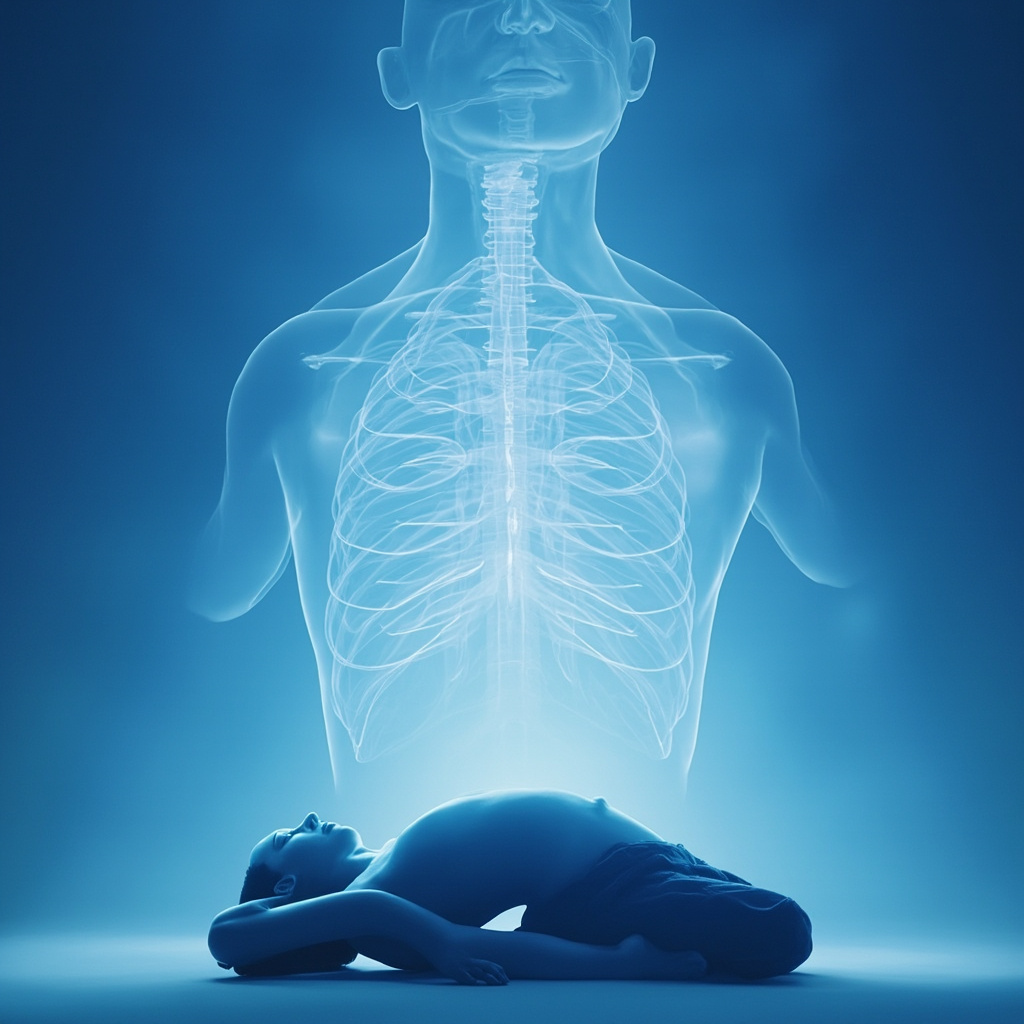
Do You Feel This Every Day?
You wake up with a tight band around your chest. Breathing feels shallow, like you can't get enough air. Anxiety creeps in, making your heart race. Simple tasks leave you winded. You feel trapped, as if something heavy sits on your lungs. These are common signs of diaphragm tension, the dome-shaped muscle under your ribs that powers your breath.
Millions experience this. Poor posture, desk jobs, and daily stress make it worse. You might notice it during stress: rapid breaths, knot in your stomach, or unexplained fatigue. It disrupts sleep, digestion, and mood. You are not alone-this hidden tension affects vitality and emotional freedom.
Why Deep Breathing and Yoga Haven't Fully Helped
You've tried apps with breathing exercises. Or joined yoga classes for relaxation. At first, it feels good. But the tightness returns. Why? Surface fixes relax muscles temporarily but miss the root. Shallow chest breathing from habit overrides your efforts. Old tensions rebuild under pressure.
This builds trust: your attempts worked partially because the issue runs deeper. Standard advice ignores emotional layers. Now, consider new information: the diaphragm links breath to feelings.
The Emotional Tie: Fear, Trapped Feelings, and Control
What if tension signals more than muscles? The diaphragm sits between heart and gut, central to life force. Stress-fear of change, anxiety over control-triggers it to tighten. You breathe high in the chest, signaling danger. This creates a cycle: shallow breath fuels anxiety, anxiety grips the diaphragm.
Real cause? Emotions like feeling trapped or fighting for autonomy. Chronic worry from work, relationships, or past events lodges here. Curious: how does fear physically trap your breath?
The Mechanism: How Stress Locks Your Diaphragm
Normally, the diaphragm flattens on inhale, expanding lungs for oxygen. Stress contracts it partially, like a clenched fist. Less air enters, blood oxygen drops. Body stays in fight-or-flight: high heart rate, tense muscles, foggy mind.
Why past fixes failed: They target symptoms, not emotional triggers. No blame-you did your best with what you knew.
Studies confirm: Research in the Journal of Pain Research links diaphragm function to emotions. Patients with anxiety show restricted diaphragm movement. Another from Frontiers in Psychology found diaphragmatic breathing cuts stress hormones like cortisol by 25% in minutes.
Urgency: Don't Let It Worsen
Untreated, it leads to chronic shortness of breath, poor sleep, weakened immunity. Heart strain, digestive woes, even depression grow. Early signs ignored become daily limits. Oxygen starvation dims energy, joy, clarity. Act now for freedom.
Solution Path: Targeted Diaphragm Release
Not drugs or surgery-those cost thousands, risk side effects. Think specialists ($200/session) or devices ($500+). Instead, practices honing breath-muscle-emotion links.
Mechanism: Retrain with poses opening the area, breaths engaging it fully. Why works: Directly counters tension, releases held fear.
Anticipation builds: What if a tool reads your body's signals for custom fixes?
Science-Backed Tools for Lasting Balance
Enter personalized approaches matching your tension. Like yoga sequenced for diaphragm freedom. BioCoherence implements this: records electrical activity via simple sensor, spots diaphragm imbalances (energy, agitation).
Uses its resonance: Harmonic Boost audio frequencies vibrate it harmoniously, like tuning a string. Personal Guide daily meditations guide focus-'relax your breath center, release trapped fear'-21 days tailored to you. Harmonizer device sends gentle micro-currents, real-time balancing.
Start with exploration recording or Basic Programs library. Yoga coach view: Pair with poses like Child's Pose (Balasana)-kneel, fold forward, breathe into belly. Bridge Pose (Setu Bandhasana)-lift hips, open chest. Ujjayi breath: ocean sound, slows mind.
Studies back: Diaphragmatic training boosts HRV (stress resilience) per NIH research. Breathwork meta-analysis (Nature) shows anxiety drops 30%.
Expert nod: Yoga masters link breath gate to prana (life force). Price? Affordable vs. endless therapy. Free trials, app-based.
Risk-free: Track progress via biomarkers.
Real Stories from Users
"My recurring hip pain eased after frequencies-no stretches worked before." -Laura K., USA.
"More energy, less tired, better sleep after 21 days." -Raymond, France.
"Skeptical, but brain fog gone, aches reduced in weeks." -Mike N., USA.
Their struggles mirror yours: stress tension, failed fixes. Results in days to weeks reinforce value.
Restore Diaphragm Harmony with BioCoherence
Join coherence.today, space for health growth. Pros and AI helpers share. All like, comment.
See tutorials for setups. Testimonials prove shifts.
Practice now: Lie prone, arms angled, breathe belly down. Feel release. Combine with BioCoherence for deep change-breath freedom, emotional ease, vitality.
- 1. pmc.ncbi.nlm.nih.gov
- 2. my.clevelandclinic.org
- 3. pmc.ncbi.nlm.nih.gov
- 4. frontiersin.org
- 5. va.gov
- 6. pubmed.ncbi.nlm.nih.gov
- 7. pmc.ncbi.nlm.nih.gov
- 8. cityosteopathy.com.hk
- 9. massageblisschicago.com
- 10. webmd.com
- 11. biocoherence.net
- 12. pubmed.ncbi.nlm.nih.gov
- 13. michiganmedicine.org
- 14. health.harvard.edu
- 15. journalpulmonology.org
- 16. betterhealth.vic.gov.au
- 17. sciencedirect.com
- 18. theosteoway.ca
- 19. pubmed.ncbi.nlm.nih.gov
- 20. kaihealth.com.au
- 21. bhf.org.uk
- 22. biocoherence.net
- 23. pubmed.ncbi.nlm.nih.gov
- 24. pubmed.ncbi.nlm.nih.gov
- 25. ubiehealth.com
- 26. schoolofanxiety.com
- 27. pubmed.ncbi.nlm.nih.gov
- 28. pubmed.ncbi.nlm.nih.gov
- 29. pacificcoastmh.com
- 30. pennmedicine.org
- 31. psychosomaticsandemotionalanatomy.com
- 32. pubmed.ncbi.nlm.nih.gov
- 33. pmc.ncbi.nlm.nih.gov
- 34. ncbi.nlm.nih.gov
- 35. myofascialmississauga.com
- 36. medicine.yale.edu
- 37. layahealthcare.ie
- 38. columbiasurgery.org
- 39. freyabaskeyfield.co.uk
- 40. traumaconsciousyoga.com
- 41. yogaflowsf.com
- 42. pubmed.ncbi.nlm.nih.gov
- 43. fammed.wisc.edu
- 44. mayoclinichealthsystem.org
- 45. yogainternational.com
- 46. nature.com
- 47. pmc.ncbi.nlm.nih.gov
- 48. pubmed.ncbi.nlm.nih.gov
- 49. positivepsychology.com
- 50. avantpsychiatry.com
- 51. cedars-sinai.org
- 52. advancedreconstruction.com
- 53. therapistsinphiladelphia.com
- 54. tpvfitness.com
- 55. montgomerysomatics.com
- 56. emedicine.medscape.com
- 57. healthline.com
Related posts
Glossary
- Energy and mind Structures > oxygen
- Energy and mind Structures > Immunity
- Energy and mind Structures > Relax
- Body zones > hormones
- Body zones > lungs
- Body zones > diaphragm
- Body zones > muscles
- Body zones > chest
- TCM Recipes > Digestive Relief: A Simple Guide to Ease Bloating & Indigestion
- TCM Recipes > Stomach Health: Natural Remedies for Digestive Issues
- TCM Recipes > Heart Health: Remedies for Anxiety and Palpitations
- TCM Recipes > Brain Boost: Clear Fog, Improve Focus & Memory
- TCM Recipes > Herbal Relief: A TCM Approach to Lift Your Mood
- TCM Recipes > Boost Your Energy: A TCM Recipe for Fatigue Relief
- Energy and mind Structures > sleep
- Energy and mind Structures > vitality
- Energy and mind Structures > movement
- Energy and mind Structures > Digestion
- Energy and mind Structures > Prana; Nerves, vital force
- Energy and mind Structures > Stress
- Stimuli > IGF1, Growth
- Stimuli > Cortisol
- Stimuli > Moon - Nasal Passage, Breathing, Taste
- Stimuli > Pain
- Stimuli > Harmony
- Stimuli > Blood
see also...
- Energy and mind Structures > HRV
- Energy and mind Structures > Body zones > substantia nigra
- Energy and mind Structures > TCM Recipes > Tension Headache Relief: A Natural Approach to Ease Stress
- Testimonials > 61% Drop in Nausea and 58% in Headaches from Sound Therapy
- Binaural beats > Stimuli > Variolinum