


Sol Atriyum: Oksijen Derin Uyku için Anahtar
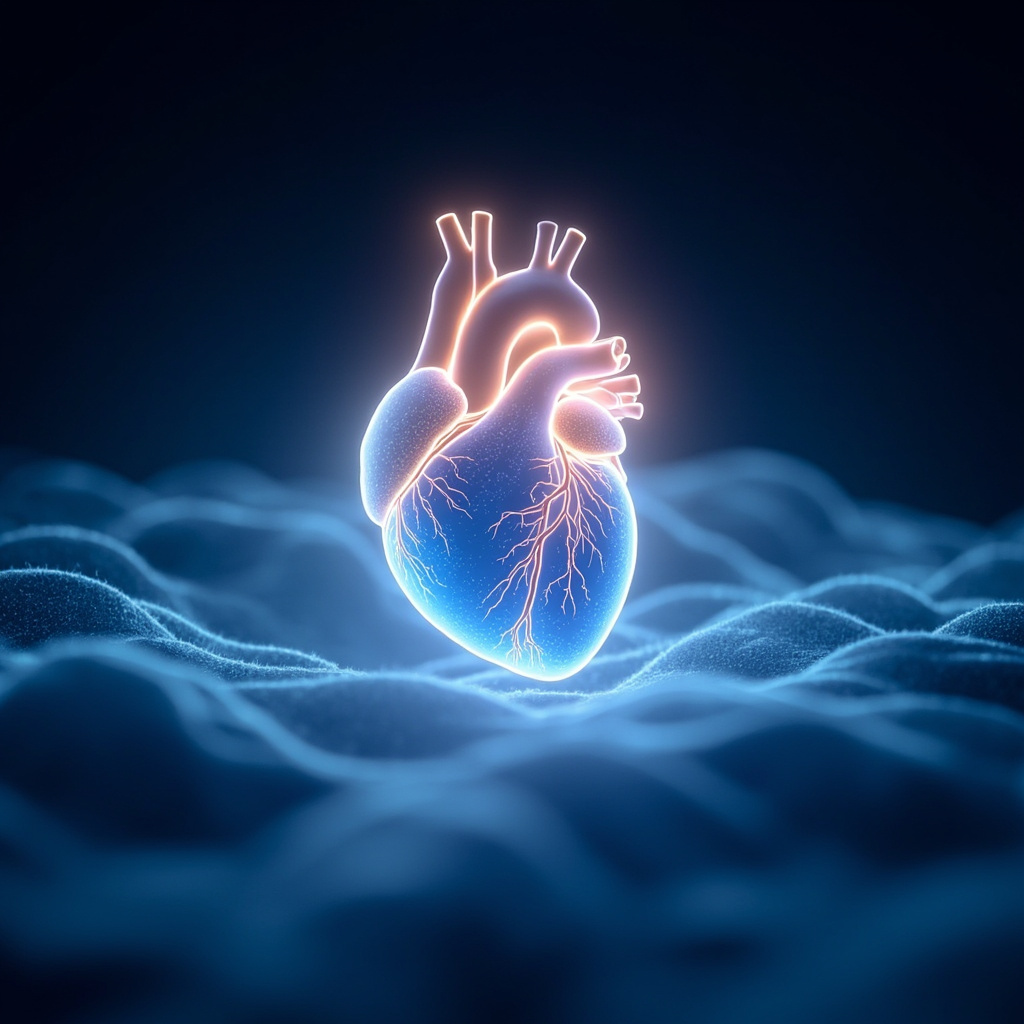
The Heart's Receiving Chamber
The left atrium is the upper left chamber of your heart. It acts like a collection point for oxygen-rich blood coming from your lungs through the pulmonary veins. From there, it passes the blood into the left ventricle, which sends it out to nourish every cell in your body. Think of it as the heart's gateway for fresh, energizing oxygen.Left Atrium
When working well, this chamber ensures smooth blood flow. It helps maintain steady circulation, supporting energy levels throughout the day and recovery at night. Issues here can lead to irregular heartbeats, tiredness, or even shortness of breath.
Vital Role in Circulation and Energy
Efficient left atrium function means better oxygen delivery to your muscles, brain, and organs. This is crucial for daily vitality. During sleep, optimal circulation aids in clearing waste from the brain and restoring energy stores. Low oxygen flow can contribute to daytime fatigue and poor recovery.
Research shows a clear link between heart function and rest. For example, even one night of short sleep can reduce the chamber's ability to relax and empty properly in early diastole-the phase when it refills with blood. This subtle strain adds up, potentially leading to bigger heart issues over time.
Impact on Sleep Quality and HRV
Your heart rate variability (HRV)-the natural beat-to-beat changes in your heart-drops with stress or poor sleep. A strained left atrium plays into this. Sleep disruptions like apnea reduce its stretching and contracting ability, measured as strain. This impairs oxygen supply during rest, making deep sleep harder to achieve.
Conversely, quality sleep protects the left atrium. Longer, restorative nights correlate with better strain rates and emptying. Breaking the cycle starts with prioritizing rest to support this chamber and improve HRV, which signals your body's stress-recovery balance.
Signs of Imbalance
- Persistent fatigue despite enough hours in bed
- Waking with a racing heart or breathlessness
- Low energy linked to stress
Emotional Connections to Love and Support
Beyond the physical, the left atrium ties to feelings of receiving love and validation. Blockages here may reflect emotional wounds like rejection or lack of support. Unresolved self-worth struggles or fear of abandonment can manifest as tension in this area, raising stress hormones like cortisol that disrupt circadian rhythms.
High cortisol at night keeps the sympathetic nervous system active, hindering parasympathetic rest. This emotional-physical loop affects sleep onset and depth. Addressing feelings of emotional nourishment can ease this tension, promoting calmer nights.
Harnessing the Left Atrium as a Resource
A balanced left atrium boosts other organs by delivering oxygen efficiently. It enhances brain clarity, muscle recovery, and overall vitality-key for deep sleep. Emotionally, it fosters a sense of being supported, reducing nighttime worry.
Daily Practices to Nurture It
- Deep breathing: Slow inhales activate relaxation, improving HRV and chamber function.
- Consistent sleep schedule: Aim for 7-9 hours to protect diastolic mechanics.
- Stress reduction: Evening walks or gentle stretches lower cortisol spikes.
- Hydration and light exercise: Support circulation without overload.
By focusing on this chamber, you align heart health with restorative sleep. Monitor your rest patterns and energy-small changes yield big recovery gains.
- 1. pubmed.ncbi.nlm.nih.gov
- 2. vbn.aau.dk
- 3. pubmed.ncbi.nlm.nih.gov
- 4. pmc.ncbi.nlm.nih.gov
- 5. pmc.ncbi.nlm.nih.gov
- 6. pmc.ncbi.nlm.nih.gov
- 7. lamclinic.com
- 8. pmc.ncbi.nlm.nih.gov
- 9. sciencedirect.com
- 10. pubmed.ncbi.nlm.nih.gov
- 11. ouraring.com
- 12. researchgate.net
- 13. medicalxpress.com
- 14. pmc.ncbi.nlm.nih.gov
- 15. pubmed.ncbi.nlm.nih.gov
- 16. pmc.ncbi.nlm.nih.gov
- 17. pmc.ncbi.nlm.nih.gov
- 18. verywellhealth.com
- 19. mdpi.com
- 20. en.wikipedia.org
- 21. sciencedirect.com
- 22. frontiersin.org
- 23. ahajournals.org
- 24. timelypsychiatry.com
- 25. pubmed.ncbi.nlm.nih.gov
- 26. jtd.amegroups.org
- 27. pubmed.ncbi.nlm.nih.gov
- 28. pmc.ncbi.nlm.nih.gov
- 29. missionhealth.org
- 30. hexi.ox.ac.uk
İlgili gönderiler
Sözlük
- Enerji ve zihin Yapıları > oksijen
- Enerji ve zihin Yapıları > Aşk
- Enerji ve zihin Yapıları > Rahatla
- Vücut bölgeleri > sol atriyum
- Vücut bölgeleri > hormonlar
- Vücut bölgeleri > akciğerler
- Vücut bölgeleri > kaslar
- Vücut bölgeleri > parasempatik
- Vücut bölgeleri > venler
- Enerji ve zihin Yapıları > Organlar
- TCM Tarifleri > Dolaşım: Enerjiyi artırın ve uzuvlarınızı ısıtın
- TCM Tarifleri > Kalp Sağlığı: Anksiyete ve Çarpıntılar için Çözümler
- TCM Tarifleri > Beyin Güçlendirme: Sisleri Giderin, Dikkatinizi ve Hafızanızı Geliştirin
- TCM Tarifleri > Enerjinizi artırın: Yorgunluk giderici bir TCM tarifi
- Enerji ve zihin Yapıları > uyku
- Enerji ve zihin Yapıları > canlılık
- Enerji ve zihin Yapıları > Stres
- Enerji ve zihin Yapıları > terk edilme
- Enerji ve zihin Yapıları > reddetme
- Uyarıcılar > Kortizol
- Uyarıcılar > SIDA
- Binaural ritimler > Sinir Sistemi: Duygusal Denge ve Rahatlama İçin Bir Program
- Uyarıcılar > Apne
- Uyarıcılar > Kurşun
- Uyarıcılar > Kan
see also...
- Enerji ve zihin Yapıları > reddetme
- Enerji ve zihin Yapıları > Vücut bölgeleri > kaburgalar
- Enerji ve zihin Yapıları > TCM Tarifleri > Gergin Baş Ağrısı Giderimi: Stresi Hafifletmek İçin Doğal Bir Yaklaşım
- Binaural ritimler > Uyarıcılar > Variolinum
- Binaural ritimler > Transmutasyon: Kişisel Değişim için Bir Ses Yolculuğu
- Testimonials > Ses Terapisi ile Mide Bulantısında a ve Baş Ağrısında X Azalma