


Cortisol: Stress Hormone for Emotional Balance
Learn its body roles, emotional ties, and balance strategies.
Recent research links it to stronger emotional memories.
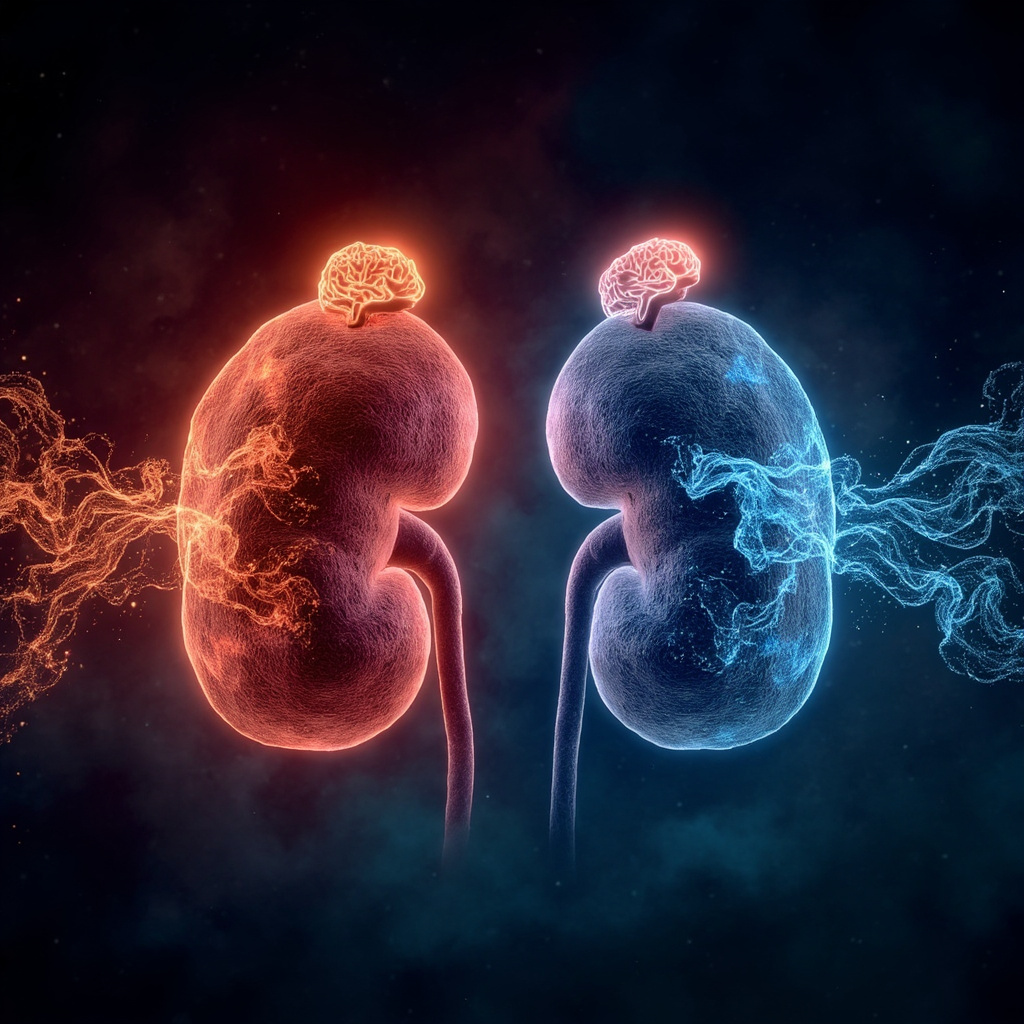
:## Understanding Cortisol
Cortisol is a hormone made by the adrenal glands, small organs sitting on top of your kidneys. Often called the "stress hormone," it plays a key part in how your body handles daily challenges. It rises in response to stress, helping you stay alert and energized. But when levels stay high too long, it can affect your energy, weight, sleep, and emotions.
In everyday life, cortisol keeps things running smoothly. It controls blood sugar for steady energy, curbs swelling to fight minor injuries, and supports blood pressure. Your body follows a natural rhythm, with peaks in the morning to wake you up and drops at night for rest.
Cortisol's Role in Stress
When stress hits, your brain signals the adrenal glands to release cortisol. This prepares you for action: heart beats faster, focus sharpens, and energy redirects to muscles. Short bursts are helpful, like during a deadline or workout.
Chronic stress changes this. Constant high cortisol disrupts sleep, weakens immunity, and raises risks for high blood pressure or belly fat gain. A recent Yale study found cortisol reshapes brain networks, making emotional memories stick stronger. This explains why past stresses linger in your mind.
Emotional Side of Cortisol
As a psychologist, I see cortisol linking body and feelings closely. High levels often tie to ongoing worry, fear, or feeling overwhelmed. It can fuel anxiety, low mood, or trouble coping. Imbalances signal unresolved pressures, like work overload or hidden fears.
Low cortisol brings its own issues: exhaustion, weakness, and foggy thinking. Both extremes show in emotional patterns, such as irritability or flatness. Heart rate variability (HRV), another stress marker, often dips with cortisol shifts, hinting at poor emotional bounce-back.
When Balanced, Cortisol Supports You
Healthy cortisol acts as a resource. It steadies metabolism during tough times, keeps blood sugar even for clear focus, and tones down inflammation for faster healing. In stress, it builds resilience, helping organs stay stable.
Picture it aiding your brain for better memory under pressure or calming immune overreactions. Balanced levels foster emotional strength, letting you face challenges without burnout.
Signs of Cortisol Imbalance
- High cortisol: Weight gain around middle, high blood pressure, trouble sleeping, anxiety, muscle loss.
- Low cortisol: Fatigue, dizziness, salt cravings, depression, slow healing.
- Emotional clues: Constant tension, mood swings, poor focus, or feeling stuck.
Balancing Cortisol Naturally
You can support cortisol balance through simple habits:
- Sleep well: Aim for 7-9 hours; cortisol dips naturally at night.
- Move your body: Regular walks or yoga lower levels without overdoing it.
- Eat balanced: Include proteins, healthy fats, and veggies to steady blood sugar.
- Practice calm: Mindfulness or deep breathing boosts HRV and eases stress.
- Limit caffeine: It spikes cortisol; switch to herbal teas.
Track progress with biomarkers from heart electrical readings. These show cortisol energy, agitation, and body links. As a resource, guide attention to it for stability; as a priority, use calm words to ease it.
Psychologists use these insights for therapies like CBT or biofeedback. Seeing trends motivates change, proving small steps lift emotional health.
Why Cortisol Matters for Well-Being
Cortisol bridges physical stress and inner peace. Spotting imbalances early prevents bigger issues. By nurturing it, you build resilience, clearer mood, and vitality. Tune into your body's signals for a steadier life.
- 1. vibranthealthofcolorado.com
- 2. lifeextension.com
- 3. medium.com
- 4. mdanderson.org
- 5. link.springer.com
- 6. restore.com
- 7. sciencedirect.com
- 8. sciencedirect.com
- 9. health.stonybrookmedicine.edu
- 10. pmc.ncbi.nlm.nih.gov
- 11. pmc.ncbi.nlm.nih.gov
- 12. zoe.com
- 13. sciencedirect.com
- 14. savingfaceaustin.com
- 15. sciencedirect.com
- 16. health.harvard.edu
- 17. betterhelp.com
- 18. amenclinics.com
- 19. mayoclinic.org
- 20. frontiersin.org
- 21. iherb.com
- 22. medicalnewstoday.com
- 23. news.yale.edu
- 24. pubmed.ncbi.nlm.nih.gov
- 25. instagram.com
- 26. mdpi.com
- 27. medium.com
- 28. healthcentral.com
- 29. pmc.ncbi.nlm.nih.gov
- 30. ifm.org
- 31. my.clevelandclinic.org
- 32. healthcare.utah.edu
- 33. superpower.com
- 34. pmc.ncbi.nlm.nih.gov
- 35. bbc.com
관련 게시물
용어집
- 에너지 및 마음 구조 > 집중된 일관성; 집중
- 에너지 및 마음 구조 > 평화
- 에너지 및 마음 구조 > 고갈
- 에너지 및 마음 구조 > 메모리
- 에너지 및 마음 구조 > 면역
- 신체 영역 > 땀샘
- 신체 영역 > 코르티솔
- 신체 영역 > 신장
- 신체 영역 > 근육
- 신체 영역 > 얼굴
- 에너지 및 마음 구조 > 장기
- 중국 전통 의학 레시피 > 고혈압을 위한 스트레스 완화: TCM 접근법
- 중국 전통 의학 레시피 > 심장 건강: 불안 및 두근거림에 대한 치료법
- 중국 전통 의학 레시피 > 브레인 부스트: 안개를 제거하고 집중력과 기억력을 향상시키세요
- 중국 전통 의학 레시피 > 부신 지원: 피로 및 스트레스에 대한 치료법
- 중국 전통 의학 레시피 > 허브 완화: 기분을 높이기 위한 TCM 접근법
- 중국 전통 의학 레시피 > 에너지를 높이세요: 피로 완화를 위한 TCM 레시피
- 에너지 및 마음 구조 > 수면
- 에너지 및 마음 구조 > 활력
- 에너지 및 마음 구조 > 혈압
- 에너지 및 마음 구조 > 스트레스
- 자극 > 코르티솔
- 자극 > 달 - 비강, 호흡, 미각
- 바이노럴 비트 > 염증 완화: 바이노럴 비트로 더 빠르게 치유되기
- 자극 > 혈액
- 자극 > GAPDH, 대사