


交感神経系:レジリエンスの力
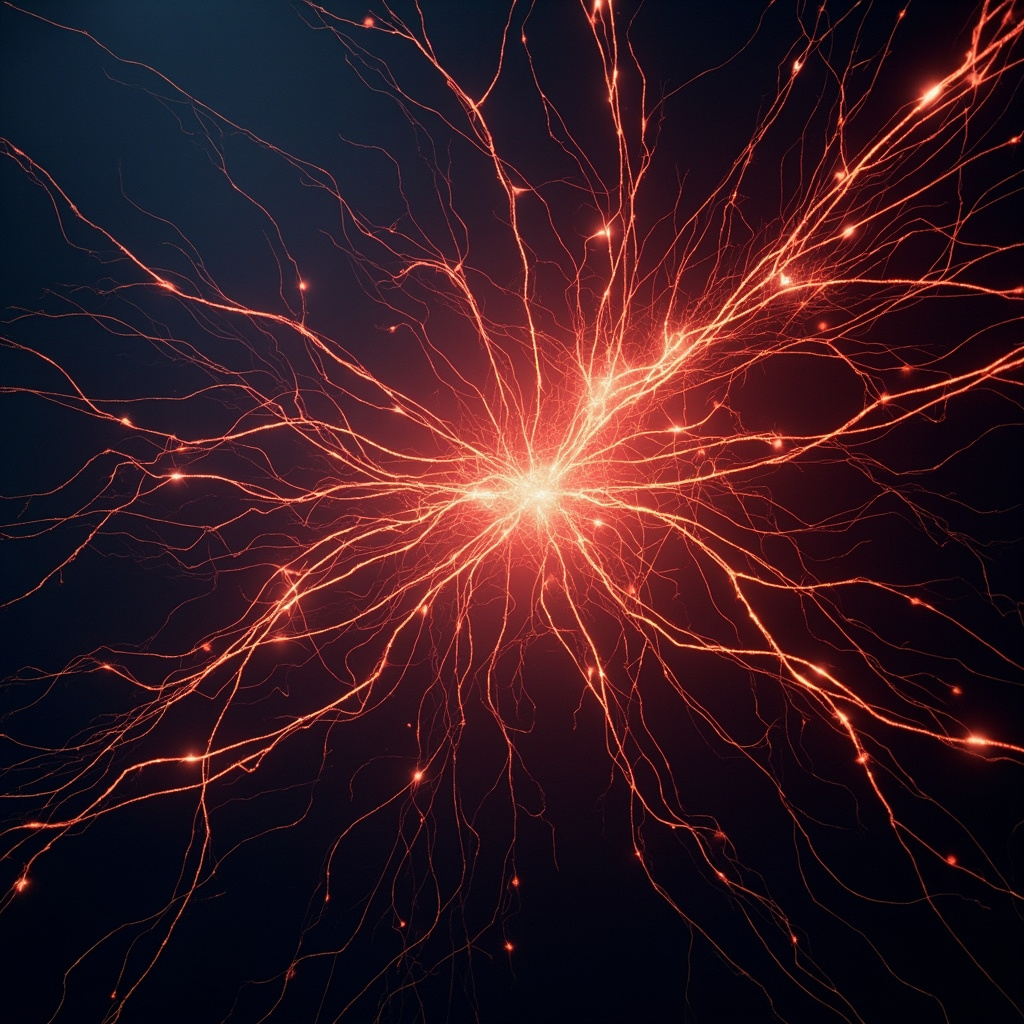
Awakening Your Inner Strength
The sympathetic nervous system acts like your body's emergency response team. It kicks in during times of stress or excitement, shifting resources to help you handle whatever comes your way. Think of it as the engine that revs up when you need to run from danger, meet a deadline, or push through a tough workout. This system works hand-in-hand with the parasympathetic branch, which calms things down afterward, creating a natural rhythm of action and rest.
In everyday life, it increases your heart rate, quickens your breath, and sends more blood to your muscles and brain. Digestion slows, and senses sharpen. These changes are not enemies-they are survival tools that, when balanced, keep you sharp and adaptable.
Sympathetic as a Key Resource
Far from just 'fight or flight,' a healthy sympathetic system offers real benefits. It enhances your response to everyday stressors, improving blood flow to vital organs like the heart and lungs. This optimizes energy use across the body, helping maintain overall balance, or what we call homeostasis.
When used as a resource, it promotes resilience. You bounce back faster from challenges, whether physical strain or emotional pressure. It supports better circulation, which aids detoxification by moving waste products efficiently. Immunity gets a boost too, as heightened alertness prepares defenses. In naturopathy, we see it as a vital ally for vitality and stress management.
For more details on its role in energy and mind, check the Sympathetic System glossary.
Spotting Imbalances
Too much sympathetic activity can lead to feeling wired but tired-think insomnia, anxiety, high blood pressure, or digestive woes. Chronic activation drains energy, sparking inflammation and weakening immunity.
On the flip side, low activity might leave you fatigued, slow to react, or struggling with motivation. Poor circulation and sluggish detox can follow, affecting overall vitality.
Biomarkers from a simple electrical activity recording reveal its energy levels, agitation, and connections to other body systems. This guides gentle tuning for harmony.
Naturopathic Strategies for Balance
Nature offers simple, powerful ways to support your sympathetic system:
-
Adaptogenic herbs: Plants like ashwagandha and rhodiola help modulate stress responses. They calm overactivity without dulling your edge, supporting adrenal health and energy.
-
Breathwork: Short, forceful breaths activate it briefly for strength, while deep belly breathing shifts to rest mode. Try 4-7-8 breathing: inhale 4 seconds, hold 7, exhale 8.
-
Movement: Brisk walks or interval training mimic natural activation, building resilience. Alternate with yoga for balance.
-
Cold exposure: A cool shower ends with invigorating sympathetic lift, enhancing circulation and mood, as shown in studies on voluntary stress training.
-
Nourishment: Foods rich in B vitamins (leafy greens, nuts) and magnesium (seeds, spinach) fuel nerve health. Herbal teas like holy basil soothe without sedation.
These align with detoxification and immunity support, key pillars of naturopathy.
Tuning for Self-Development
In personal growth, a tuned sympathetic system unlocks hidden capacities. It sharpens focus for creative pursuits, powers physical performance, and builds emotional strength. Imagine facing fears with steady energy, or channeling stress into productivity.
Guided inner journeys can highlight it as a resource-inviting its strength for clarity and power-or gently address it if overactive, fostering calm action.
Targeted audio frequencies resonate with its natural patterns, aiding balance in daily routines. Micro-currents offer on-demand support, aligning nerves for optimal flow.
Everyday Integration
Start small: Notice when it activates-a racing heart before a presentation. Acknowledge it as an ally, then breathe to regulate. Track patterns in a journal, noting energy shifts.
Over time, this cultivates self-tuning. You'll feel more vital, resilient, and in tune with your body's wisdom.
Supporting the sympathetic system isn't about suppression-it's about harmony. Embrace its power, nurture its balance, and watch your health and potential expand.
- 1. think.taylorandfrancis.com
- 2. facebook.com
- 3. calm.com
- 4. ncbi.nlm.nih.gov
- 5. mdpi.com
- 6. instagram.com
- 7. mdpi.com
- 8. frontiersin.org
- 9. youtube.com
- 10. facebook.com
- 11. charliehealth.com
- 12. courtneysnydermd.com
- 13. holisticwellnesspractice.com
- 14. advocarefairmountpediatrics.com
- 15. sciencedirect.com
- 16. healingthehero.org
- 17. counselnature.com
- 18. facebook.com
- 19. pmc.ncbi.nlm.nih.gov
- 20. instagram.com
- 21. instagram.com
- 22. presenceofmindtherapy.com
- 23. healthrising.org
- 24. pantheonresearch.com
- 25. pmc.ncbi.nlm.nih.gov
- 26. londonclinicofnutrition.co.uk
- 27. pmc.ncbi.nlm.nih.gov
- 28. my.clevelandclinic.org
- 29. csun.edu
- 30. dermalbotanicsspa.com
関連投稿
用語集
- エネルギーと心の構造 > マグネシウム
- エネルギーと心の構造 > 集中コヒーレンス; フォーカス
- エネルギーと心の構造 > パフォーマンス
- エネルギーと心の構造 > 免疫力
- 身体ゾーン > 肺
- 身体ゾーン > 筋肉
- 身体ゾーン > 神経
- 身体ゾーン > 副交感神経
- 身体ゾーン > 感覚
- エネルギーと心の構造 > 臓器
- 中医学レシピ > 高血圧のストレス緩和:TCMアプローチ
- 中医学レシピ > 消化の緩和:膨満感と消化不良を和らげるためのシンプルなガイド
- 中医学レシピ > 循環:エネルギーを高め、四肢を温める
- 中医学レシピ > 心臓の健康:不安と動悸のための療法
- 中医学レシピ > 脳のブースト:霧を晴らし、集中力と思い出を改善する
- 中医学レシピ > 副 adrenal サポート: 疲労とストレスのための治療法
- エネルギーと心の構造 > 活力
- エネルギーと心の構造 > 血圧
- エネルギーと心の構造 > 消化
- エネルギーと心の構造 > 重要な臓器
- エネルギーと心の構造 > VLF; 自律神経活動
- エネルギーと心の構造 > ストレス
- 刺激 > GSTM1、解毒作用
- 刺激 > IGF1、成長
- 刺激 > バジル
- 刺激 > 月 - 鼻腔、呼吸、味覚
- 刺激 > エイズ
- バイノーラルビート > 炎症緩和:バイノーラルビートでより早く回復する
- 刺激 > リード
- 刺激 > 調和
- 刺激 > 血液