


適応レベルが低い:睡眠後に疲れていますか?
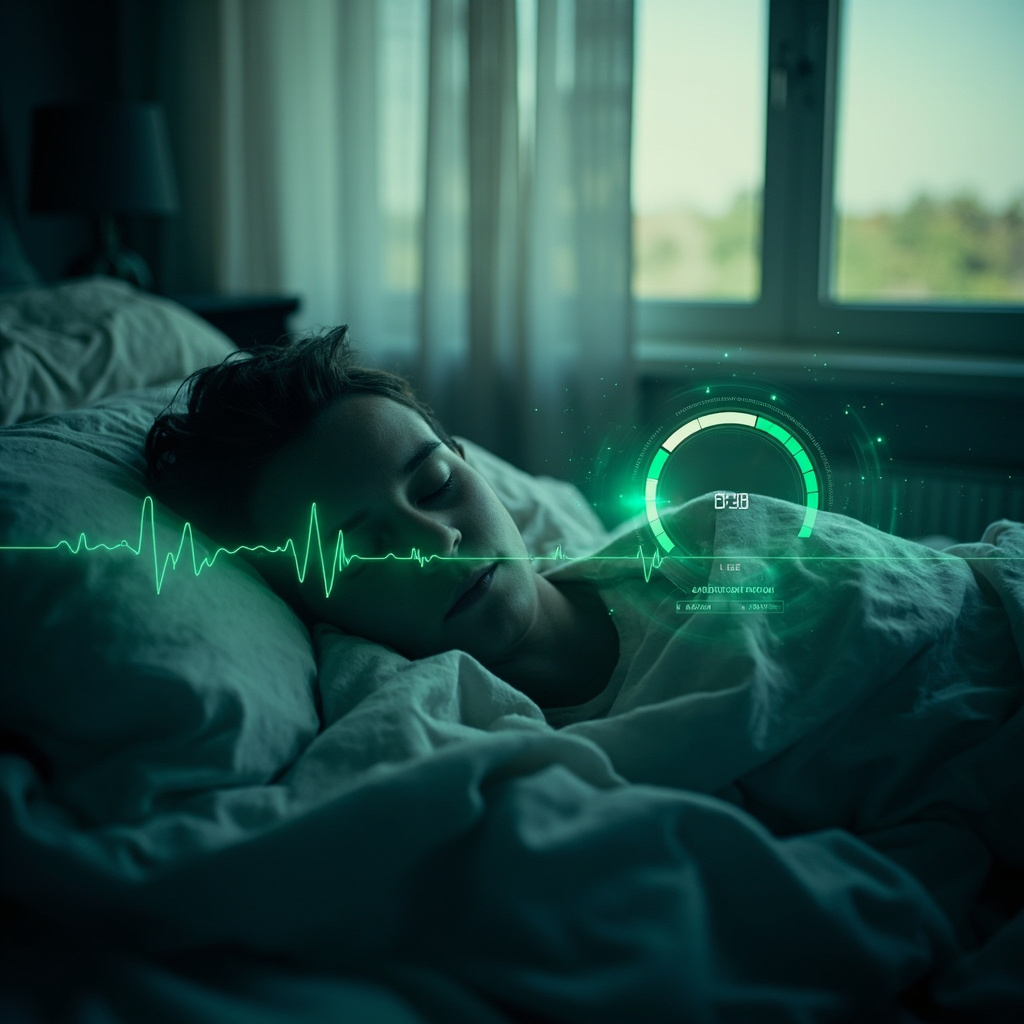
Waking Up Drained After a Full Night's Sleep?
You hit the pillow early, clock in seven or eight hours, yet morning feels like defeat. Foggy brain, dragging limbs, that endless need for caffeine just to function. Sound familiar? You're not lazy or broken – this hits millions who think sleep should fix everything. But it doesn't, because the issue hides deeper: your body isn't recovering during those hours.
Busy parents, stressed workers, even fitness buffs report this. You feel seen because you've tracked steps, eaten clean, maybe tried melatonin. Still, fatigue clings like a shadow. Why?
Common Fixes Fall Short – Here's Why
You've optimized your routine: no screens before bed, chamomile tea, weighted blankets. Maybe apps for white noise or supplements for deeper sleep stages. Results? Spotty at best. One week okay, next back to square one.
This builds frustration. "Am I doing it wrong?" No. These target surface symptoms – light, habits – but miss the core engine: your autonomic nervous system. It flips between stress (fight-or-flight) and rest (repair mode). When stuck in stress, sleep becomes shallow, unrestorative.
The Real Cause: Poor Adaptation Level
Enter adaptation level, a key marker from your heart's electrical signals (ECG). Think of your heartbeat: not robotic ticks, but subtle variations. These show nervous system balance. Heart rate variability (HRV) measures that wiggle room – high HRV means easy shifts from stress to calm.
Adaptation level (often tied to AMo in analysis) gauges how well your heart adapts to daily ups and downs. Low adaptation? Narrow heart rhythm range, like revving in neutral. Your body stays wired, even asleep. Cortisol lingers high, circadian rhythm glitches, recovery stalls.
New info: Most ignore this because wearables show basic HRV, missing full adaptation nuance. Curious? Low levels link to sleep biomarkers screaming unrestored energy.
How It Steals Your Sleep – The Mechanism
Nighttime should ramp parasympathetic activity (rest branch). Low adaptation keeps sympathetic dominance (stress branch). Result: fragmented deep sleep, low HRV overnight. You wake with adrenal fatigue, poor energy restoration.
Studies confirm: One from Cleveland Clinic notes high HRV signals adaptability to stress/relax (source). Another links poor sleep HRV to next-day fatigue (PMC9103972). Breathing patterns suffer too – shallow breaths worsen it.
Why past tries failed? Diets boost serotonin but can't rewire nervous adaptation. Pills sedate without fixing root imbalance. No blame – you lacked the insight.
Urgency: Ignore it, risk burnout, weakened immunity, chronic issues. Adaptation drops with age/stress, snowballing poor sleep into health decline.
Beyond Pills: Frequency and Current Therapies Emerge
Enter non-drug category: targeted frequencies (sound waves matching body rhythms), guided meditations, micro-currents (tiny safe pulses). These nudge heart/nerves toward balance, unlike generic apps.
Expensive alternatives? $5K neurofeedback clinics or $500/month coaching. These work but demand time/money. New tools bring lab-grade analysis home affordably.
Mechanism: Frequencies resonate structures, boosting adaptation like tuning a guitar. Micro-currents directly stimulate nerves. Anticipation builds – what if personalized?
BioCoherence: Science-Backed Implementation
BioCoherence turns ECG data (simple sensor recording) into 1500+ biomarkers, spotlighting your adaptation level. Low? It flags as priority.
Expert nod: Used by pros for circadian balance, HRV gains. Price? Fraction of specialists (sensor $100, software sub). Risk-free: Try explorations, see data.
Real Stories from Users
"After weeks, sleeping better, more energy. Less fog." – Mike N.
"Quality sleep improving, less tired despite age." – Raymond, 78.
"No more night screaming, calmer mind." – Parent of special needs child.
These echo your struggles: fatigue despite hours, now resolved via balanced adaptation.
Unlock Restorative Sleep with BioCoherence
BioCoherence software analyzes full-body electrical activity via ECG sensor. Computes biomarkers like adaptation level (/energy_mind/757-adaptation-level). Energy low? Agitation high? It maps links to organs, meridians.
Harmonic Boosts for Adaptation
Personalized audio frequencies make heart/nerves resonate. Structures (heart regions) sync; stimuli guide toward calm. Build post-exploration or from Basic Programs. Tutorials.
Personal Guide: Daily Inner Journeys
21-day program shifts daily. Adaptation as resource? Invoking words: "Feel your heart's flexible rhythm supporting rest." Priority? Direct attention: "Notice adaptation easing stress now."
Harmonizer: Micro-Currents On-Demand
Device applies real-time currents from 10,000+ programs or Basics. Targets adaptation for energy recovery.
As sleep coach, I see low adaptation spike cortisol, tank HRV. Users report deeper sleep, vitality post-balancing. Testimonials prove: pain gone, rest restored.
Start: Record exploration, run boosts. Track sleep quality biomarkers. Tips: Evening Personal Guide pre-bed; morning Harmonizer for circadian reset.
Join coherence.today – safe space for this journey.en:## Waking Up Drained After a Full Night's Sleep?
You hit the pillow early, clock in seven or eight hours, yet morning feels like defeat. Foggy brain, dragging limbs, that endless need for caffeine just to function. Sound familiar? You're not lazy or broken - this hits millions who think sleep should fix everything. But it doesn't, because the issue hides deeper: your body isn't recovering during those hours.
Busy parents, stressed workers, even fitness buffs report this. You feel seen because you've tracked steps, eaten clean, maybe tried melatonin. Still, fatigue clings like a shadow. Why?
Common Fixes Fall Short - Here's Why
You've optimized your routine: no screens before bed, chamomile tea, weighted blankets. Maybe apps for white noise or supplements for deeper sleep stages. Results? Spotty at best. One week okay, next back to square one.
This builds frustration. "Am I doing it wrong?" No. These target surface symptoms - light, habits - but miss the core engine: your autonomic nervous system. It flips between stress (fight-or-flight) and rest (repair mode). When stuck in stress, sleep becomes shallow, unrestorative.
The Real Cause: Poor Adaptation Level
Enter adaptation level, a key marker from your heart's electrical signals (ECG). Think of your heartbeat: not robotic ticks, but subtle variations. These show nervous system balance. Heart rate variability (HRV) measures that wiggle room - high HRV means easy shifts from stress to calm.
Adaptation level (often tied to AMo in analysis) gauges how well your heart adapts to daily ups and downs. Low adaptation? Narrow heart rhythm range, like revving in neutral. Your body stays wired, even asleep. Cortisol lingers high, circadian rhythm glitches, recovery stalls.
New info: Most ignore this because wearables show basic HRV, missing full adaptation nuance. Curious? Low levels link to sleep biomarkers screaming unrestored energy.
How It Steals Your Sleep - The Mechanism
Nighttime should ramp parasympathetic activity (rest branch). Low adaptation keeps sympathetic dominance (stress branch). Result: fragmented deep sleep, low HRV overnight. You wake with adrenal fatigue, poor energy restoration.
Studies confirm: One from Cleveland Clinic notes high HRV signals adaptability to stress/relax (source). Another links poor sleep HRV to next-day fatigue (PMC9103972). Breathing patterns suffer too - shallow breaths worsen it.
Why past tries failed? Diets boost serotonin but can't rewire nervous adaptation. Pills sedate without fixing root imbalance. No blame - you lacked the insight.
Urgency: Ignore it, risk burnout, weakened immunity, chronic issues. Adaptation drops with age/stress, snowballing poor sleep into health decline.
Beyond Pills: Frequency and Current Therapies Emerge
Enter non-drug category: targeted frequencies (sound waves matching body rhythms), guided meditations, micro-currents (tiny safe pulses). These nudge heart/nerves toward balance, unlike generic apps.
Expensive alternatives? $5K neurofeedback clinics or $500/month coaching. These work but demand time/money. New tools bring lab-grade analysis home affordably.
Mechanism: Frequencies resonate structures, boosting adaptation like tuning a guitar. Micro-currents directly stimulate nerves. Anticipation builds - what if personalized?
BioCoherence: Science-Backed Implementation
BioCoherence turns ECG data (simple sensor recording) into 1500 biomarkers, spotlighting your adaptation level. Low? It flags as priority.
Expert nod: Used by pros for circadian balance, HRV gains. Price? Fraction of specialists (sensor -$100, software sub). Risk-free: Try explorations, see data.
Real Stories from Users
"After weeks, sleeping better, more energy. Less fog." - Mike N.
"Quality sleep improving, less tired despite age." - Raymond, 78.
"No more night screaming, calmer mind." - Parent of special needs child.
These echo your struggles: fatigue despite hours, now resolved via balanced adaptation.
Unlock Restorative Sleep with BioCoherence
BioCoherence software analyzes full-body electrical activity via ECG sensor. Computes biomarkers like adaptation level (/energy_mind/757-adaptation-level). Energy low? Agitation high? It maps links to organs, meridians.
Harmonic Boosts for Adaptation
Personalized audio frequencies make heart/nerves resonate. Structures (heart regions) sync; stimuli guide toward calm. Build post-exploration or from Basic Programs. Tutorials.
Personal Guide: Daily Inner Journeys
21-day program shifts daily. Adaptation as resource? Invoking words: "Feel your heart's flexible rhythm supporting rest." Priority? Direct attention: "Notice adaptation easing stress now."
Harmonizer: Micro-Currents On-Demand
Device applies real-time currents from 10,000 programs or Basics. Targets adaptation for energy recovery.
As sleep coach, I see low adaptation spike cortisol, tank HRV. Users report deeper sleep, vitality post-balancing. Testimonials prove: pain gone, rest restored.
Start: Record exploration, run boosts. Track sleep quality biomarkers. Tips: Evening Personal Guide pre-bed; morning Harmonizer for circadian reset.
Join coherence.today - safe space for this journey.## 一晩の睡眠後に疲れ果てて目覚める?
早めに枕を打ち、7時間か8時間の時計を確保したのに、朝は敗北感を感じる。霧のかかった頭、引きずる手足、機能するためにはカフェインが必要という終わらない欲求。聞き覚えがありますか?あなたは怠け者でも壊れているわけでもありません - これは、すべての問題が睡眠で解決されるべきだと考える何百万もの人々に影響を与えています。しかし、そうではありません。問題はもっと深いところに隠れているのです:あなたの体はその時間に回復していないのです。
忙しい親、ストレスの多い労働者、フィットネス愛好者さえもこれを報告します。あなたは、ステップを追跡し、クリーンな食事をして、もしかしたらメラトニンを試したことがあるので、理解されていると感じているでしょう。それでも、疲労は影のようにまとわりついています。なぜでしょう?
一般的な解決策が不十分な理由
あなたはルーチンを最適化しました:就寝前のスクリーンなし、カモミールティー、重いブランケット。ホワイトノイズ用のアプリや、より深い睡眠段階のためのサプリメントも試したかもしれません。結果は?せいぜいまばらです。一週間は良好、その後は元の状態に逆戻り。
これがフラストレーションを生み出します。「私が間違っているのか?」いいえ。これらは表面的な症状 - 光、習慣 - をターゲットにしていますが、コアエンジンであるあなたの自律神経系を見逃しています。それはストレス(闘争か逃走)と休息(修復モード)を行き来します。ストレスにとどまると、睡眠は浅く、回復的ではありません。
真の原因:不十分な適応レベル
ここで登場するのが適応レベルです。これはあなたの心臓の電気信号(ECG)からの重要な指標です。心拍を考えてみてください:ロボットのような音ではなく、微妙な変動です。これらは神経系のバランスを示します。心拍変動(HRV)はその揺れ動く余地を測定します - 高HRVはストレスから冷静さへの移行が容易であることを意味します。
適応レベル(分析でAMoに関連付けられることが多い)は、あなたの心臓が日々の浮き沈みにどれだけ適応できるかを測定します。適応が低い?心拍の範囲が狭く、ニュートラルでの高回転のようなものです。あなたの体は、眠っていても緊張したままです。コルチゾールは高いまま、サーカディアンリズムが不具合を起こし、回復は停滞します。
新しい情報:ほとんどの人はこれを無視します。なぜなら、ウェアラブルデバイスは基本的なHRVを示すだけで、完全な適応のニュアンスを見逃しているからです。興味がありますか?低いレベルは、睡眠バイオマーカーが回復していないエネルギーを叫んでいることと関連しています。
それがあなたの睡眠を奪う方法 - メカニズム
夜間は副交感神経の活動を高めるべきです(休息の枝)。低い適応は交感神経の優位を維持します(ストレスの枝)。その結果、断片的な深い睡眠、夜間の低HRVが生じます。あなたは副腎疲労を持ち、エネルギーの回復が不十分です。
研究は確認しています:クリーブランドクリニックの研究の一つは、高HRVがストレスへの適応性を示すことを指摘しています(出典)。別の研究は、低い睡眠のHRVが翌日の疲労に関連していることを示しています(PMC9103972)。呼吸パターンも影響を受けます - 浅い呼吸はそれを悪化させます。
過去の試みが失敗した理由は?食事はセロトニンを増加させますが、神経の適応を再配線することはできません。薬は根本的な不均衡を修正せず、鎮静させるだけです。責めるつもりはありません - あなたは洞察を欠いていました。
緊急性:これを無視すれば、燃え尽き、免疫力が低下し、慢性的な問題に悩まされるリスクがあります。適応は年齢/ストレスと共に低下し、健康の低下に伴い悪化します。
薬を超えて:周波数と電流療法が登場
非薬物カテゴリーに登場するのは:ターゲットを絞った周波数(体のリズムと一致する音波)、ガイド付き瞑想、マイクロカレント(小さな安全なパルス)です。これらは、一般的なアプリとは異なり、心臓/神経をバランスに導きます。
高価な代替品は?$5,000のニューロフィードバッククリニックや月$500のコーチング。これらは機能しますが、時間とお金が必要です。新しいツールは、ラボグレードの分析を手頃に提供します。
メカニズム:周波数は構造に共鳴し、ギターを調整するように適応を高めます。マイクロカレントは直接刺激を与えます。期待感が高まります - もし個別化されたらどうなるでしょう?
BioCoherence:科学に基づいた実装
BioCoherenceはECGデータ(シンプルなセンサー記録)を1500のバイオマーカーに変換し、あなたの適応レベルを spotlightします。低いですか?それは優先事項としてフラグが立ちます。
専門家の賛同:サーカディアンバランス、HRVの向上のために専門家によって使用されています。価格は?専門家のごく一部(センサーは約$100、ソフトウェアのサブスクリプション)。リスクなし:探求を試み、データを確認してください。
ユーザーからの実際のストーリー
「数週間後、より良い睡眠、エネルギーが増えた。霧が少なくなった。」 - マイク N.
「質の高い睡眠が改善し、年齢にもかかわらず疲れが減った。」 - レイモンド、78歳。
「夜の叫びがなくなり、心が穏やかになった。」 - 特別支援が必要な子供の親。
これらはあなたの苦悩を反映しています:数時間の後でも残る疲労が、今やバランスの取れた適応を通じて解決されました。
BioCoherenceで回復的睡眠を解放
BioCoherenceソフトウェアは、ECGセンサーを介して全身の電気活動を分析します。適応レベルのようなバイオマーカーを計算します(/energy_mind/757-adaptation-level)。エネルギーが低いですか?動揺が大きいですか?それは臓器、経絡へのリンクをマッピングします。
適応のための調和的ブースト
個別化された音の周波数が心臓/神経を共鳴させます。構造(心臓の領域)が同期し、刺激が冷静さに導きます。探索後に構築するか、基本プログラムから始めます。チュートリアル。
個人的なガイド:毎日の内なる旅
21日間プログラムが毎日変化します。リソースとしての適応?呼び起こす言葉:「あなたの心臓の柔軟なリズムが休息を支えているのを感じてください。」優先事項は?注意を直接向けること:「今、適応がストレスを和らげているのに気づいてください。」
ハーモナイザー:オンデマンドのマイクロカレント
デバイスは10,000プログラムまたは基本からリアルタイムの電流を適用します。エネルギー回復のために適応をターゲットにします。
睡眠コーチとして、私は低い適応がコルチゾールを急上昇させ、HRVを低下させるのを見ています。ユーザーはバランス調整後により深い睡眠、活力を報告しています。証言が証明しています:痛みが消え、休息が回復しました。
始めましょう:探索を記録し、ブーストを実行します。睡眠の質バイオマーカーを追跡します。ヒント:就寝前の夕方の個人的なガイド;サーカディアンリセットのための朝のハーモナイザー。
coherence.todayに参加しましょう - この旅のための安全な空間です。
- 1. youtube.com
- 2. pmc.ncbi.nlm.nih.gov
- 3. hum-ecol.ru
- 4. researchgate.net
- 5. sciencedirect.com
- 6. biocoherence.net
- 7. wjpls.org
- 8. mdpi.com
- 9. pubmed.ncbi.nlm.nih.gov
- 10. instagram.com
- 11. biocoherence.net
- 12. journals.sagepub.com
- 13. frontiersin.org
- 14. insightcla.com
- 15. facebook.com
- 16. my.clevelandclinic.org
- 17. mdpi.com
- 18. sciencedirect.com
- 19. upcommons.upc.edu
- 20. researchgate.net
- 21. labfront.com
- 22. sciencedirect.com
- 23. pmc.ncbi.nlm.nih.gov
- 24. youtube.com
- 25. nature.com
- 26. frontiersin.org
- 27. pmc.ncbi.nlm.nih.gov
- 28. anatoljcardiol.com
- 29. ouci.dntb.gov.ua
- 30. academic.oup.com
- 31. dovepress.com
- 32. sleepdoctor.com
- 33. insightcla.com
- 34. pmc.ncbi.nlm.nih.gov
- 35. livity-app.com
- 36. bio.visnyk.knu.ua
- 37. mdpi.com
- 38. mdpi.com
- 39. indiegogo.com
- 40. qaly.co
- 41. biocoherence.net
- 42. researchgate.net
- 43. researchgate.net
- 44. researchgate.net
- 45. webmd.com
- 46. pmc.ncbi.nlm.nih.gov
- 47. sciencedirect.com
- 48. pmc.ncbi.nlm.nih.gov
- 49. pubmed.ncbi.nlm.nih.gov
- 50. trailgenic.com
- 51. instagram.com
- 52. frontiersin.org
- 53. verjournal.com