


Basso livello di adattamento: Stanco dopo il sonno?
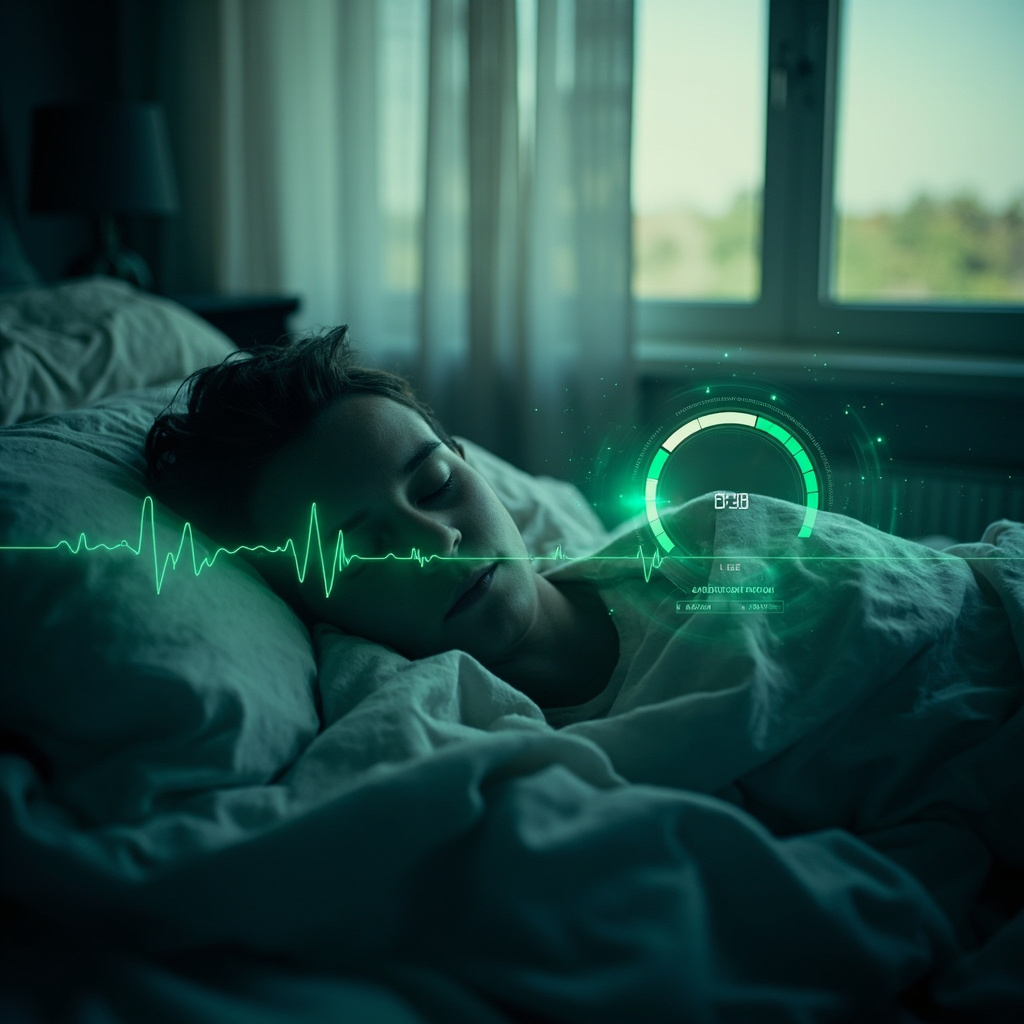
Waking Up Drained After a Full Night's Sleep?
You hit the pillow early, clock in seven or eight hours, yet morning feels like defeat. Foggy brain, dragging limbs, that endless need for caffeine just to function. Sound familiar? You're not lazy or broken – this hits millions who think sleep should fix everything. But it doesn't, because the issue hides deeper: your body isn't recovering during those hours.
Busy parents, stressed workers, even fitness buffs report this. You feel seen because you've tracked steps, eaten clean, maybe tried melatonin. Still, fatigue clings like a shadow. Why?
Common Fixes Fall Short – Here's Why
You've optimized your routine: no screens before bed, chamomile tea, weighted blankets. Maybe apps for white noise or supplements for deeper sleep stages. Results? Spotty at best. One week okay, next back to square one.
This builds frustration. "Am I doing it wrong?" No. These target surface symptoms – light, habits – but miss the core engine: your autonomic nervous system. It flips between stress (fight-or-flight) and rest (repair mode). When stuck in stress, sleep becomes shallow, unrestorative.
The Real Cause: Poor Adaptation Level
Enter adaptation level, a key marker from your heart's electrical signals (ECG). Think of your heartbeat: not robotic ticks, but subtle variations. These show nervous system balance. Heart rate variability (HRV) measures that wiggle room – high HRV means easy shifts from stress to calm.
Adaptation level (often tied to AMo in analysis) gauges how well your heart adapts to daily ups and downs. Low adaptation? Narrow heart rhythm range, like revving in neutral. Your body stays wired, even asleep. Cortisol lingers high, circadian rhythm glitches, recovery stalls.
New info: Most ignore this because wearables show basic HRV, missing full adaptation nuance. Curious? Low levels link to sleep biomarkers screaming unrestored energy.
How It Steals Your Sleep – The Mechanism
Nighttime should ramp parasympathetic activity (rest branch). Low adaptation keeps sympathetic dominance (stress branch). Result: fragmented deep sleep, low HRV overnight. You wake with adrenal fatigue, poor energy restoration.
Studies confirm: One from Cleveland Clinic notes high HRV signals adaptability to stress/relax (source). Another links poor sleep HRV to next-day fatigue (PMC9103972). Breathing patterns suffer too – shallow breaths worsen it.
Why past tries failed? Diets boost serotonin but can't rewire nervous adaptation. Pills sedate without fixing root imbalance. No blame – you lacked the insight.
Urgency: Ignore it, risk burnout, weakened immunity, chronic issues. Adaptation drops with age/stress, snowballing poor sleep into health decline.
Beyond Pills: Frequency and Current Therapies Emerge
Enter non-drug category: targeted frequencies (sound waves matching body rhythms), guided meditations, micro-currents (tiny safe pulses). These nudge heart/nerves toward balance, unlike generic apps.
Expensive alternatives? $5K neurofeedback clinics or $500/month coaching. These work but demand time/money. New tools bring lab-grade analysis home affordably.
Mechanism: Frequencies resonate structures, boosting adaptation like tuning a guitar. Micro-currents directly stimulate nerves. Anticipation builds – what if personalized?
BioCoherence: Science-Backed Implementation
BioCoherence turns ECG data (simple sensor recording) into 1500+ biomarkers, spotlighting your adaptation level. Low? It flags as priority.
Expert nod: Used by pros for circadian balance, HRV gains. Price? Fraction of specialists (sensor $100, software sub). Risk-free: Try explorations, see data.
Real Stories from Users
"After weeks, sleeping better, more energy. Less fog." – Mike N.
"Quality sleep improving, less tired despite age." – Raymond, 78.
"No more night screaming, calmer mind." – Parent of special needs child.
These echo your struggles: fatigue despite hours, now resolved via balanced adaptation.
Unlock Restorative Sleep with BioCoherence
BioCoherence software analyzes full-body electrical activity via ECG sensor. Computes biomarkers like adaptation level (/energy_mind/757-adaptation-level). Energy low? Agitation high? It maps links to organs, meridians.
Harmonic Boosts for Adaptation
Personalized audio frequencies make heart/nerves resonate. Structures (heart regions) sync; stimuli guide toward calm. Build post-exploration or from Basic Programs. Tutorials.
Personal Guide: Daily Inner Journeys
21-day program shifts daily. Adaptation as resource? Invoking words: "Feel your heart's flexible rhythm supporting rest." Priority? Direct attention: "Notice adaptation easing stress now."
Harmonizer: Micro-Currents On-Demand
Device applies real-time currents from 10,000+ programs or Basics. Targets adaptation for energy recovery.
As sleep coach, I see low adaptation spike cortisol, tank HRV. Users report deeper sleep, vitality post-balancing. Testimonials prove: pain gone, rest restored.
Start: Record exploration, run boosts. Track sleep quality biomarkers. Tips: Evening Personal Guide pre-bed; morning Harmonizer for circadian reset.
Join coherence.today – safe space for this journey.en:## Waking Up Drained After a Full Night's Sleep?
You hit the pillow early, clock in seven or eight hours, yet morning feels like defeat. Foggy brain, dragging limbs, that endless need for caffeine just to function. Sound familiar? You're not lazy or broken - this hits millions who think sleep should fix everything. But it doesn't, because the issue hides deeper: your body isn't recovering during those hours.
Busy parents, stressed workers, even fitness buffs report this. You feel seen because you've tracked steps, eaten clean, maybe tried melatonin. Still, fatigue clings like a shadow. Why?
Common Fixes Fall Short - Here's Why
You've optimized your routine: no screens before bed, chamomile tea, weighted blankets. Maybe apps for white noise or supplements for deeper sleep stages. Results? Spotty at best. One week okay, next back to square one.
This builds frustration. "Am I doing it wrong?" No. These target surface symptoms - light, habits - but miss the core engine: your autonomic nervous system. It flips between stress (fight-or-flight) and rest (repair mode). When stuck in stress, sleep becomes shallow, unrestorative.
The Real Cause: Poor Adaptation Level
Enter adaptation level, a key marker from your heart's electrical signals (ECG). Think of your heartbeat: not robotic ticks, but subtle variations. These show nervous system balance. Heart rate variability (HRV) measures that wiggle room - high HRV means easy shifts from stress to calm.
Adaptation level (often tied to AMo in analysis) gauges how well your heart adapts to daily ups and downs. Low adaptation? Narrow heart rhythm range, like revving in neutral. Your body stays wired, even asleep. Cortisol lingers high, circadian rhythm glitches, recovery stalls.
New info: Most ignore this because wearables show basic HRV, missing full adaptation nuance. Curious? Low levels link to sleep biomarkers screaming unrestored energy.
How It Steals Your Sleep - The Mechanism
Nighttime should ramp parasympathetic activity (rest branch). Low adaptation keeps sympathetic dominance (stress branch). Result: fragmented deep sleep, low HRV overnight. You wake with adrenal fatigue, poor energy restoration.
Studies confirm: One from Cleveland Clinic notes high HRV signals adaptability to stress/relax (source). Another links poor sleep HRV to next-day fatigue (PMC9103972). Breathing patterns suffer too - shallow breaths worsen it.
Why past tries failed? Diets boost serotonin but can't rewire nervous adaptation. Pills sedate without fixing root imbalance. No blame - you lacked the insight.
Urgency: Ignore it, risk burnout, weakened immunity, chronic issues. Adaptation drops with age/stress, snowballing poor sleep into health decline.
Beyond Pills: Frequency and Current Therapies Emerge
Enter non-drug category: targeted frequencies (sound waves matching body rhythms), guided meditations, micro-currents (tiny safe pulses). These nudge heart/nerves toward balance, unlike generic apps.
Expensive alternatives? $5K neurofeedback clinics or $500/month coaching. These work but demand time/money. New tools bring lab-grade analysis home affordably.
Mechanism: Frequencies resonate structures, boosting adaptation like tuning a guitar. Micro-currents directly stimulate nerves. Anticipation builds - what if personalized?
BioCoherence: Science-Backed Implementation
BioCoherence turns ECG data (simple sensor recording) into 1500 biomarkers, spotlighting your adaptation level. Low? It flags as priority.
Expert nod: Used by pros for circadian balance, HRV gains. Price? Fraction of specialists (sensor -$100, software sub). Risk-free: Try explorations, see data.
Real Stories from Users
"After weeks, sleeping better, more energy. Less fog." - Mike N.
"Quality sleep improving, less tired despite age." - Raymond, 78.
"No more night screaming, calmer mind." - Parent of special needs child.
These echo your struggles: fatigue despite hours, now resolved via balanced adaptation.
Unlock Restorative Sleep with BioCoherence
BioCoherence software analyzes full-body electrical activity via ECG sensor. Computes biomarkers like adaptation level (/energy_mind/757-adaptation-level). Energy low? Agitation high? It maps links to organs, meridians.
Harmonic Boosts for Adaptation
Personalized audio frequencies make heart/nerves resonate. Structures (heart regions) sync; stimuli guide toward calm. Build post-exploration or from Basic Programs. Tutorials.
Personal Guide: Daily Inner Journeys
21-day program shifts daily. Adaptation as resource? Invoking words: "Feel your heart's flexible rhythm supporting rest." Priority? Direct attention: "Notice adaptation easing stress now."
Harmonizer: Micro-Currents On-Demand
Device applies real-time currents from 10,000 programs or Basics. Targets adaptation for energy recovery.
As sleep coach, I see low adaptation spike cortisol, tank HRV. Users report deeper sleep, vitality post-balancing. Testimonials prove: pain gone, rest restored.
Start: Record exploration, run boosts. Track sleep quality biomarkers. Tips: Evening Personal Guide pre-bed; morning Harmonizer for circadian reset.
Join coherence.today - safe space for this journey.## Svegliarsi Sfinito Dopo Una Notte Completa di Sonno?
Ti sei sdraiato presto, l'orologio segna sette o otto ore, eppure la mattina sembra una sconfitta. Cervello annebbiato, arti che trascinano arti, quel bisogno infinito di caffeina solo per funzionare. Ti suona familiare? Non sei pigro o rotto - questo colpisce milioni di persone che pensano che il sonno dovrebbe risolvere tutto. Ma non lo fa, perché il problema si nasconde più in profondità: il tuo corpo non si sta recuperando durante quelle ore.
Genitori impegnati, lavoratori stressati, persino appassionati di fitness riportano questo. Ti senti compreso perché hai monitorato i passi, mangiato sano, magari provato melatonina. Eppure, la fatica si aggrappa come un'ombra. Perché?
Le Soluzioni Comuni Non Fanno Al Caso Tuo - Ecco Perché
Hai ottimizzato la tua routine: niente schermi prima di andare a letto, tè alla camomilla, coperte pesate. Forse app per il rumore bianco o integratori per fasi di sonno più profondo. Risultati? Sporadici al meglio. Una settimana bene, la successiva di nuovo al punto di partenza.
Questo genera frustrazione. "Sto sbagliando qualcosa?" No. Queste mirano ai sintomi superficiali - luce, abitudini - ma mancano il motore centrale: il tuo sistema nervoso autonomo. Passa da stress (lotta o fuga) a riposo (modalità di riparazione). Quando rimani bloccato nello stress, il sonno diventa superficiale, non rigenerativo.
La Vera Causa: Basso Livello di Adattamento
Entriamo nel livello di adattamento, un indicatore chiave dai segnali elettrici del tuo cuore (ECG). Pensa al tuo battito cardiaco: non ticchettii robotici, ma variazioni sottili. Queste mostrano l'equilibrio del sistema nervoso. La variabilità della frequenza cardiaca (HRV) misura quella capacità di adattamento - un'alta HRV significa facili passaggi da stress a calma.
Il livello di adattamento (spesso legato all'AMo nell'analisi) valuta quanto bene il tuo cuore si adatta ai alti e bassi quotidiani. Basso adattamento? Ampio intervallo di ritmo cardiaco ristretto, come accelerare a vuoto. Il tuo corpo rimane attivo, anche durante il sonno. Il cortisolo rimane alto, il ritmo circadiano si inceppa, il recupero si arresta.
Nuove informazioni: La maggior parte ignora questo perché i dispositivi indossabili mostrano una HRV di base, mancando la piena sfumatura dell'adattamento. Curioso? Bassi livelli sono collegati a biomarcatori del sonno che gridano energia non ripristinata.
Come Ruba il Tuo Sonno - Il Meccanismo
La notte dovrebbe aumentare l'attività parasimpatico (ramo del riposo). Un basso adattamento mantiene la dominanza simpatico (ramo dello stress). Risultato: sonno profondo frammentato, bassa HRV durante la notte. Ti svegli con fatica surrenale fatigue, scarsa ripristino dell'energia.
Gli studi confermano: Uno della Cleveland Clinic nota che un'alta HRV segnala adattabilità allo stress/relax (fonte). Un altro collega la scarsa HRV del sonno alla fatica del giorno successivo (PMC9103972). I modelli respiratori ne risentono anche - respiri superficiali peggiorano la situazione.
Perché i tentativi passati hanno fallito? Le diete aumentano serotonina ma non possono ricollegare l'adattamento nervoso. Le pillole sedano senza risolvere il problema alla radice. Nessuna colpa - ti mancava la comprensione.
Urgenza: Ignoralo, rischi il burnout, un'immunità indebolita e problemi cronici. L'adattamento diminuisce con l'età/stress, facendo accumulare un sonno scadente in un declino della salute.
Oltre le Pillole: Frequenze e Terapie Correnti Emergono
Entriamo nella categoria non farmacologica: frequenze mirate (onde sonore che corrispondono ai ritmi del corpo), meditazioni guidate, micro-correnti (piccole pulsazioni sicure). Queste spingono il cuore/nervi verso l'equilibrio, a differenza delle app generiche.
Alternative costose? Cliniche di neurofeedback da $5K o coaching da $500/mese. Queste funzionano ma richiedono tempo/denaro. Nuovi strumenti portano analisi di laboratorio a casa in modo conveniente.
Meccanismo: Le frequenze risuonano con le strutture, aumentando l'adattamento come accordare una chitarra. Le micro-correnti stimolano direttamente nervi. L'anticipazione cresce: e se fosse personalizzato?
BioCoherence: Implementazione Basata sulla Scienza
BioCoherence trasforma i dati ECG (registrazione semplice con sensore) in 1500 biomarcatori, mettendo in evidenza il tuo livello di adattamento. Basso? Viene segnalato come priorità.
Approvazione degli esperti: Utilizzato da professionisti per equilibrio circadiano, guadagni di HRV. Prezzo? Una frazione di quello degli specialisti (sensore -$100, abbonamento software). Senza rischi: prova le esplorazioni, guarda i dati.
Storie Reali da Parte degli Utenti
"Dopo settimane, dormo meglio, ho più energia. Meno nebbia." - Mike N.
"La qualità del sonno migliora, meno stanco nonostante l'età." - Raymond, 78.
"Niente più urla notturne, mente più calma." - Genitore di un bambino con bisogni speciali.
Questi riflettono le tue difficoltà: fatica nonostante le ore, ora risolta grazie a un adattamento equilibrato.
Sblocca un Sonno Rigenerativo con BioCoherence
Il software BioCoherence analizza l'attività elettrica di tutto il corpo tramite sensore ECG. Calcola biomarcatori come livello di adattamento (/energy_mind/757-adaptation-level). Energia bassa? Agitazione alta? Mappa i legami con organi, meridiani.
Potenziamenti Armonici per l'Adattamento
Frequenze audio personalizzate fanno risuonare il cuore/nervi. Le strutture (regioni del cuore) si sincronizzano; gli stimoli guidano verso la calma. Costruisci dopo l'esplorazione o dai Programmi Base. Tutorial.
Guida Personale: Viaggi Interiori Quotidiani
Programma di 21 giorni che cambia ogni giorno. Adattamento come risorsa? Invocando parole: "Senti il ritmo flessibile del tuo cuore che supporta il riposo." Priorità? Attenzione diretta: "Nota l'adattamento che allevia lo stress ora."
Armonizzatore: Micro-Correnti On-Demand
Il dispositivo applica correnti in tempo reale da 10.000 programmi o di base. Mira all'adattamento per recupero energetico.
Come coach del sonno, vedo che un basso adattamento aumenta il cortisolo, abbassa l'HRV. Gli utenti riportano un sonno più profondo, vitalità dopo il bilanciamento. Le testimonianze dimostrano: il dolore è scomparso, il riposo è stato ripristinato.
Inizia: Registra l'esplorazione, esegui i potenziamenti. Tieni traccia dei biomarcatori di qualità del sonno. Suggerimenti: Guida Personale serale prima di andare a letto; Armonizzatore mattutino per il ripristino circadiano.
Unisciti a coherence.today - uno spazio sicuro per questo viaggio.
- 1. youtube.com
- 2. pmc.ncbi.nlm.nih.gov
- 3. hum-ecol.ru
- 4. researchgate.net
- 5. sciencedirect.com
- 6. biocoherence.net
- 7. wjpls.org
- 8. mdpi.com
- 9. pubmed.ncbi.nlm.nih.gov
- 10. instagram.com
- 11. biocoherence.net
- 12. journals.sagepub.com
- 13. frontiersin.org
- 14. insightcla.com
- 15. facebook.com
- 16. my.clevelandclinic.org
- 17. mdpi.com
- 18. sciencedirect.com
- 19. upcommons.upc.edu
- 20. researchgate.net
- 21. labfront.com
- 22. sciencedirect.com
- 23. pmc.ncbi.nlm.nih.gov
- 24. youtube.com
- 25. nature.com
- 26. frontiersin.org
- 27. pmc.ncbi.nlm.nih.gov
- 28. anatoljcardiol.com
- 29. ouci.dntb.gov.ua
- 30. academic.oup.com
- 31. dovepress.com
- 32. sleepdoctor.com
- 33. insightcla.com
- 34. pmc.ncbi.nlm.nih.gov
- 35. livity-app.com
- 36. bio.visnyk.knu.ua
- 37. mdpi.com
- 38. mdpi.com
- 39. indiegogo.com
- 40. qaly.co
- 41. biocoherence.net
- 42. researchgate.net
- 43. researchgate.net
- 44. researchgate.net
- 45. webmd.com
- 46. pmc.ncbi.nlm.nih.gov
- 47. sciencedirect.com
- 48. pmc.ncbi.nlm.nih.gov
- 49. pubmed.ncbi.nlm.nih.gov
- 50. trailgenic.com
- 51. instagram.com
- 52. frontiersin.org
- 53. verjournal.com
Post correlati
Glossario
- Strutture di energia e mente > Orologio
- Strutture di energia e mente > Immunità
- Strutture di energia e mente > Meridiani
- Zone del corpo > nervi
- Strutture di energia e mente > Organi
- Ricette TCM > Salute del cuore: Rimedi per l'ansia e le palpitazioni
- Ricette TCM > Aumenta la tua energia: Una ricetta TCM per alleviare la fatica
- Strutture di energia e mente > sonno
- Strutture di energia e mente > vitalità
- Strutture di energia e mente > Arti, pelle
- Strutture di energia e mente > Stress
- Stimoli > Serotonina
- Stimoli > Camomilla
- Stimoli > Dolore
- Battiti binaurali > Sistema Nervoso: Un Programma per l'Equilibrio Emozionale e il Rilassamento
- Stimoli > Stimolare
- Stimoli > Melatonina
see also...
- Strutture di energia e mente > HRV
- Strutture di energia e mente > Zone del corpo > plasma
- Strutture di energia e mente > Ricette TCM > Alleviamento del mal di testa da tensione: Un approccio naturale per alleviare lo stress
- Battiti binaurali > Stimoli > Melatonina
- Battiti binaurali > Trasmutazione: Un Viaggio Sonoro per il Cambiamento Personale
- Testimonials > 61% di riduzione della nausea e 58% di mal di testa grazie alla terapia sonora