


Lung Lobes: Breath, Fear, Inner Calm
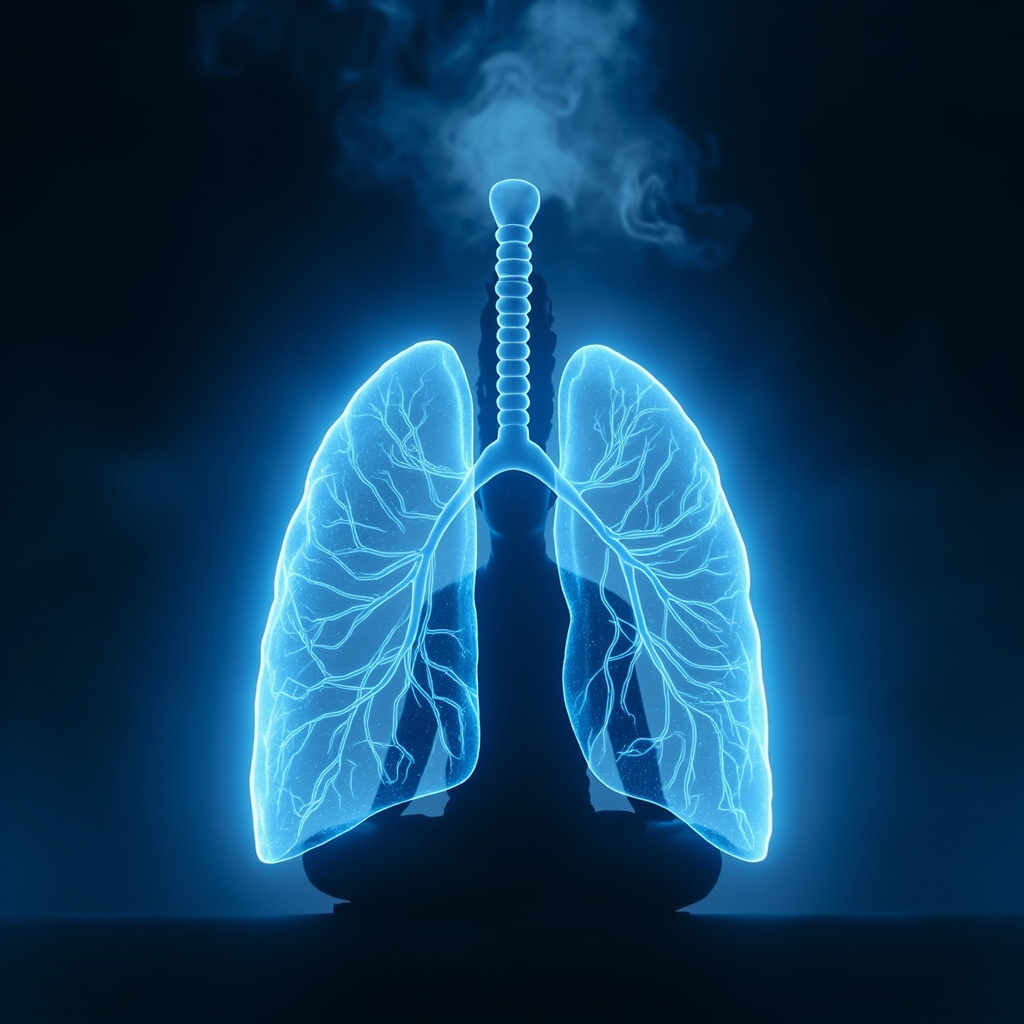
:Your lung lobes are key parts of the lungs, helping you take in oxygen and release carbon dioxide with every breath. The right lung has three lobes, while the left has two. They sit in your chest and work quietly to keep your body fueled.Learn more
How Lung Lobes Support Daily Life
These lobes make gas exchange possible. Oxygen from the air you breathe enters your blood through tiny air sacs in the lobes. At the same time, waste gas like carbon dioxide leaves your body. Healthy lobes mean steady energy, clear thinking, and strong vitality.
When they work well, you feel light and free. But issues like infections or blockages can make breathing hard, leading to tiredness, shortness of breath, or low oxygen levels. Simple habits like deep breathing keep them active.
Emotional Links to Lung Lobes
Lung lobes often connect to feelings of fear, anxiety, and grief. Have you ever felt choked by worry or stuck in tough emotions? These can show up as tight chest or shallow breaths. Past losses or survival fears might linger here, making you feel trapped or overwhelmed.
Many notice that unresolved emotions affect breathing. A sense of territory threats or big life changes can strain the lobes. Addressing these feelings opens space for calm.
Signs of Imbalance in Lung Lobes
Watch for:
- Shallow or rapid breathing
- Frequent sighs or yawning
- Chest tightness during stress
- Fatigue after small efforts
- Anxiety that feels suffocating
These hints show your body asking for care. Stress hormones tighten muscles around the lungs, limiting lobe function.
Meditation Practices for Lung Lobes
Meditation calms the nerves linked to breathing, easing fear and supporting lobe health. Start with mindful breathwork:
- Sit comfortably, hands on belly.
- Inhale slowly through nose, feel belly rise (lower lobes activate).
- Exhale fully, release tension.
- Picture light filling your lung lobes, washing away heavy emotions.
Repeat 5-10 minutes daily. This boosts oxygen flow and quiets the mind.
Focus on gratitude for each breath. Say inwardly: "I breathe freely, safe and open." Over time, this regulates stress responses tied to the lobes.
What Science Says
Recent research backs this. A 2025 review found mindfulness practices improve lung function and reduce breathlessness in people with respiratory issues. Another study showed meditation lowers stress markers, enhancing breathing efficiency and heart-lung harmony.
These practices activate the rest-and-digest system, which supports lung lobes directly.
Using Lung Lobes as a Resource
Strong lung lobes aid the whole body. They deliver oxygen to muscles, brain, and organs, boosting recovery and energy. Emotionally, they help release fear, creating space for joy and clarity.
Call on them in meditation: Imagine lobes expanding, sharing calm with your heart or gut. This builds resilience against daily pressures.
A Quick Daily Practice
Try this 3-minute routine:
- Close eyes, hand on chest.
- Breathe in for 4 counts: "I release fear."
- Hold for 4: Feel lobes fill.
- Out for 6: "I am free and calm."
Feel the shift? Your lung lobes respond to gentle focus, linking body and mind.
Nurture your breaths today. Inner peace starts with each inhale.
- 1. doi.org
- 2. youtube.com
- 3. link.springer.com
- 4. thelancet.com
- 5. facebook.com
- 6. biocoherence.net
- 7. youtube.com
- 8. sciencedirect.com
- 9. youtube.com
- 10. unovita.com
- 11. facebook.com
- 12. facebook.com
- 13. breatheclinicguwahati.com
- 14. healthline.com
- 15. facebook.com
- 16. facebook.com
- 17. researchgate.net
- 18. jpsmjournal.com
- 19. instagram.com
- 20. pmc.ncbi.nlm.nih.gov
- 21. nature.com
- 22. healthcare-bulletin.co.uk
- 23. therapyproducts.net
- 24. facebook.com
- 25. facebook.com
- 26. higherdose.com
- 27. youtube.com
- 28. youtube.com
- 29. pmc.ncbi.nlm.nih.gov
- 30. pmc.ncbi.nlm.nih.gov
- 31. cymbiotika.com
- 32. pmc.ncbi.nlm.nih.gov
- 33. mdpi.com
- 34. youtube.com
- 35. biocoherence.net
- 36. amgen.com
- 37. facebook.com
- 38. nationalgeographic.com
- 39. facebook.com
- 40. facebook.com
Articles connexes
Glossaire
- Structures d'énergie et d'esprit > oxygène
- Structures d'énergie et d'esprit > carbone
- Structures d'énergie et d'esprit > Cohérence ciblée ; concentration
- Structures d'énergie et d'esprit > Paix
- Zones corporelles > hormones
- Zones corporelles > poumons
- Zones corporelles > lobes
- Zones corporelles > muscles
- Zones corporelles > nerfs
- Zones corporelles > nez
- Zones corporelles > respiratoire
- Zones corporelles > poitrine
- Zones corporelles > yeux
- Structures d'énergie et d'esprit > Organes
- Recettes de MTC > Santé cardiaque : Remèdes contre l'anxiété et les palpitations
- Recettes de MTC > Soutien pulmonaire : Une recette TCM pour la santé respiratoire
- Recettes de MTC > Amélioration du Cerveau : Éclaircir le Brouillard, Améliorer la Concentration et la Mémoire
- Recettes de MTC > Boostez votre énergie : Une recette de TCM pour soulager la fatigue
- Structures d'énergie et d'esprit > vitalité
- Structures d'énergie et d'esprit > Theta ; 4,31-6,97 Hz. Sommeil léger, méditation.
- Structures d'énergie et d'esprit > Stress
- Stimuli > Lune - Passage Nasal, Respiration, Goût
- Stimuli > Harmonie
- Stimuli > Sang
Voir aussi...
- Structures d'énergie et d'esprit > HRV
- Structures d'énergie et d'esprit > Zones corporelles > yeux
- Structures d'énergie et d'esprit > Recettes de MTC > Soulagement des maux de tête de tension : une approche naturelle pour soulager le stress
- Testimonials > 61% de réduction des nausées et 58% des maux de tête grâce à la thérapie sonore
- Battements binauraux > Stimuli > Variolinum