


Nivel de adaptación bajo: ¿Cansado después de dormir?
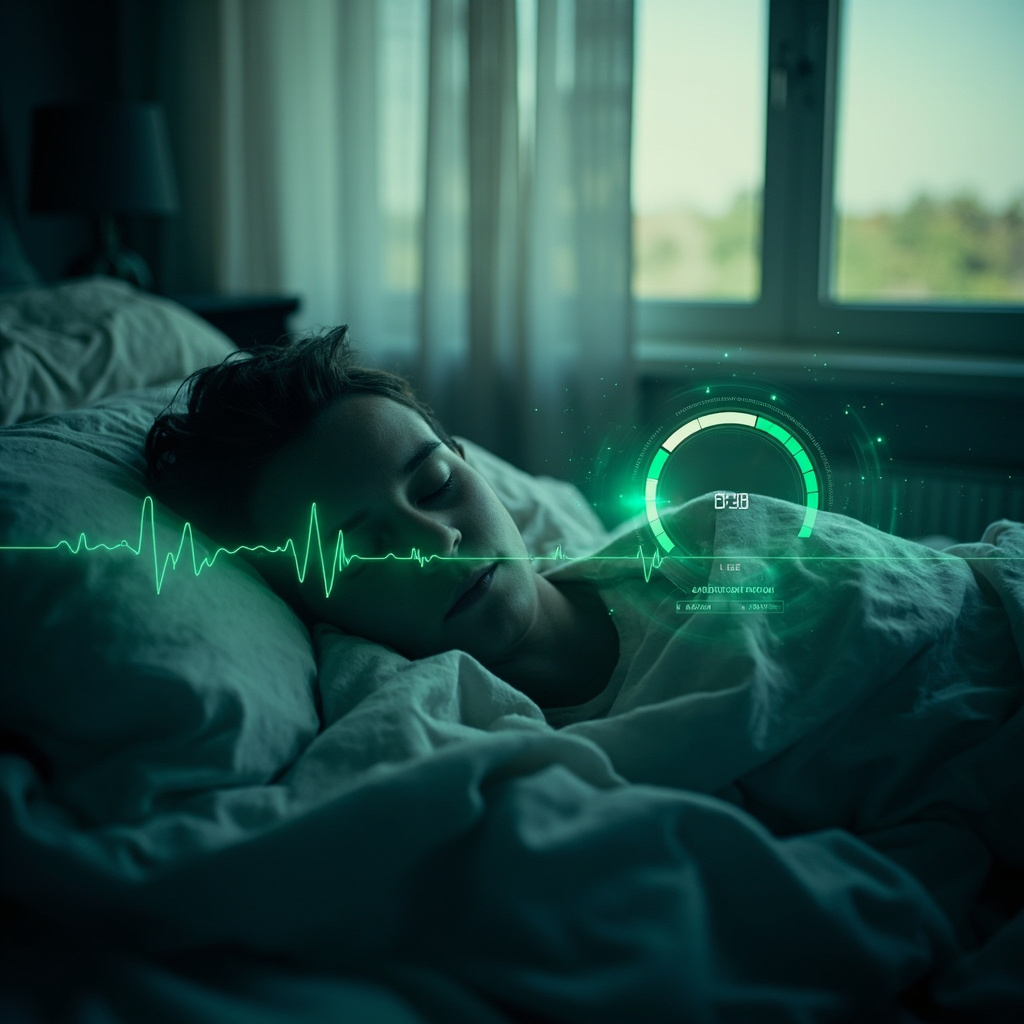
Waking Up Drained After a Full Night's Sleep?
You hit the pillow early, clock in seven or eight hours, yet morning feels like defeat. Foggy brain, dragging limbs, that endless need for caffeine just to function. Sound familiar? You're not lazy or broken – this hits millions who think sleep should fix everything. But it doesn't, because the issue hides deeper: your body isn't recovering during those hours.
Busy parents, stressed workers, even fitness buffs report this. You feel seen because you've tracked steps, eaten clean, maybe tried melatonin. Still, fatigue clings like a shadow. Why?
Common Fixes Fall Short – Here's Why
You've optimized your routine: no screens before bed, chamomile tea, weighted blankets. Maybe apps for white noise or supplements for deeper sleep stages. Results? Spotty at best. One week okay, next back to square one.
This builds frustration. "Am I doing it wrong?" No. These target surface symptoms – light, habits – but miss the core engine: your autonomic nervous system. It flips between stress (fight-or-flight) and rest (repair mode). When stuck in stress, sleep becomes shallow, unrestorative.
The Real Cause: Poor Adaptation Level
Enter adaptation level, a key marker from your heart's electrical signals (ECG). Think of your heartbeat: not robotic ticks, but subtle variations. These show nervous system balance. Heart rate variability (HRV) measures that wiggle room – high HRV means easy shifts from stress to calm.
Adaptation level (often tied to AMo in analysis) gauges how well your heart adapts to daily ups and downs. Low adaptation? Narrow heart rhythm range, like revving in neutral. Your body stays wired, even asleep. Cortisol lingers high, circadian rhythm glitches, recovery stalls.
New info: Most ignore this because wearables show basic HRV, missing full adaptation nuance. Curious? Low levels link to sleep biomarkers screaming unrestored energy.
How It Steals Your Sleep – The Mechanism
Nighttime should ramp parasympathetic activity (rest branch). Low adaptation keeps sympathetic dominance (stress branch). Result: fragmented deep sleep, low HRV overnight. You wake with adrenal fatigue, poor energy restoration.
Studies confirm: One from Cleveland Clinic notes high HRV signals adaptability to stress/relax (source). Another links poor sleep HRV to next-day fatigue (PMC9103972). Breathing patterns suffer too – shallow breaths worsen it.
Why past tries failed? Diets boost serotonin but can't rewire nervous adaptation. Pills sedate without fixing root imbalance. No blame – you lacked the insight.
Urgency: Ignore it, risk burnout, weakened immunity, chronic issues. Adaptation drops with age/stress, snowballing poor sleep into health decline.
Beyond Pills: Frequency and Current Therapies Emerge
Enter non-drug category: targeted frequencies (sound waves matching body rhythms), guided meditations, micro-currents (tiny safe pulses). These nudge heart/nerves toward balance, unlike generic apps.
Expensive alternatives? $5K neurofeedback clinics or $500/month coaching. These work but demand time/money. New tools bring lab-grade analysis home affordably.
Mechanism: Frequencies resonate structures, boosting adaptation like tuning a guitar. Micro-currents directly stimulate nerves. Anticipation builds – what if personalized?
BioCoherence: Science-Backed Implementation
BioCoherence turns ECG data (simple sensor recording) into 1500+ biomarkers, spotlighting your adaptation level. Low? It flags as priority.
Expert nod: Used by pros for circadian balance, HRV gains. Price? Fraction of specialists (sensor $100, software sub). Risk-free: Try explorations, see data.
Real Stories from Users
"After weeks, sleeping better, more energy. Less fog." – Mike N.
"Quality sleep improving, less tired despite age." – Raymond, 78.
"No more night screaming, calmer mind." – Parent of special needs child.
These echo your struggles: fatigue despite hours, now resolved via balanced adaptation.
Unlock Restorative Sleep with BioCoherence
BioCoherence software analyzes full-body electrical activity via ECG sensor. Computes biomarkers like adaptation level (/energy_mind/757-adaptation-level). Energy low? Agitation high? It maps links to organs, meridians.
Harmonic Boosts for Adaptation
Personalized audio frequencies make heart/nerves resonate. Structures (heart regions) sync; stimuli guide toward calm. Build post-exploration or from Basic Programs. Tutorials.
Personal Guide: Daily Inner Journeys
21-day program shifts daily. Adaptation as resource? Invoking words: "Feel your heart's flexible rhythm supporting rest." Priority? Direct attention: "Notice adaptation easing stress now."
Harmonizer: Micro-Currents On-Demand
Device applies real-time currents from 10,000+ programs or Basics. Targets adaptation for energy recovery.
As sleep coach, I see low adaptation spike cortisol, tank HRV. Users report deeper sleep, vitality post-balancing. Testimonials prove: pain gone, rest restored.
Start: Record exploration, run boosts. Track sleep quality biomarkers. Tips: Evening Personal Guide pre-bed; morning Harmonizer for circadian reset.
Join coherence.today – safe space for this journey.en:## Waking Up Drained After a Full Night's Sleep?
You hit the pillow early, clock in seven or eight hours, yet morning feels like defeat. Foggy brain, dragging limbs, that endless need for caffeine just to function. Sound familiar? You're not lazy or broken - this hits millions who think sleep should fix everything. But it doesn't, because the issue hides deeper: your body isn't recovering during those hours.
Busy parents, stressed workers, even fitness buffs report this. You feel seen because you've tracked steps, eaten clean, maybe tried melatonin. Still, fatigue clings like a shadow. Why?
Common Fixes Fall Short - Here's Why
You've optimized your routine: no screens before bed, chamomile tea, weighted blankets. Maybe apps for white noise or supplements for deeper sleep stages. Results? Spotty at best. One week okay, next back to square one.
This builds frustration. "Am I doing it wrong?" No. These target surface symptoms - light, habits - but miss the core engine: your autonomic nervous system. It flips between stress (fight-or-flight) and rest (repair mode). When stuck in stress, sleep becomes shallow, unrestorative.
The Real Cause: Poor Adaptation Level
Enter adaptation level, a key marker from your heart's electrical signals (ECG). Think of your heartbeat: not robotic ticks, but subtle variations. These show nervous system balance. Heart rate variability (HRV) measures that wiggle room - high HRV means easy shifts from stress to calm.
Adaptation level (often tied to AMo in analysis) gauges how well your heart adapts to daily ups and downs. Low adaptation? Narrow heart rhythm range, like revving in neutral. Your body stays wired, even asleep. Cortisol lingers high, circadian rhythm glitches, recovery stalls.
New info: Most ignore this because wearables show basic HRV, missing full adaptation nuance. Curious? Low levels link to sleep biomarkers screaming unrestored energy.
How It Steals Your Sleep - The Mechanism
Nighttime should ramp parasympathetic activity (rest branch). Low adaptation keeps sympathetic dominance (stress branch). Result: fragmented deep sleep, low HRV overnight. You wake with adrenal fatigue, poor energy restoration.
Studies confirm: One from Cleveland Clinic notes high HRV signals adaptability to stress/relax (source). Another links poor sleep HRV to next-day fatigue (PMC9103972). Breathing patterns suffer too - shallow breaths worsen it.
Why past tries failed? Diets boost serotonin but can't rewire nervous adaptation. Pills sedate without fixing root imbalance. No blame - you lacked the insight.
Urgency: Ignore it, risk burnout, weakened immunity, chronic issues. Adaptation drops with age/stress, snowballing poor sleep into health decline.
Beyond Pills: Frequency and Current Therapies Emerge
Enter non-drug category: targeted frequencies (sound waves matching body rhythms), guided meditations, micro-currents (tiny safe pulses). These nudge heart/nerves toward balance, unlike generic apps.
Expensive alternatives? $5K neurofeedback clinics or $500/month coaching. These work but demand time/money. New tools bring lab-grade analysis home affordably.
Mechanism: Frequencies resonate structures, boosting adaptation like tuning a guitar. Micro-currents directly stimulate nerves. Anticipation builds - what if personalized?
BioCoherence: Science-Backed Implementation
BioCoherence turns ECG data (simple sensor recording) into 1500 biomarkers, spotlighting your adaptation level. Low? It flags as priority.
Expert nod: Used by pros for circadian balance, HRV gains. Price? Fraction of specialists (sensor -$100, software sub). Risk-free: Try explorations, see data.
Real Stories from Users
"After weeks, sleeping better, more energy. Less fog." - Mike N.
"Quality sleep improving, less tired despite age." - Raymond, 78.
"No more night screaming, calmer mind." - Parent of special needs child.
These echo your struggles: fatigue despite hours, now resolved via balanced adaptation.
Unlock Restorative Sleep with BioCoherence
BioCoherence software analyzes full-body electrical activity via ECG sensor. Computes biomarkers like adaptation level (/energy_mind/757-adaptation-level). Energy low? Agitation high? It maps links to organs, meridians.
Harmonic Boosts for Adaptation
Personalized audio frequencies make heart/nerves resonate. Structures (heart regions) sync; stimuli guide toward calm. Build post-exploration or from Basic Programs. Tutorials.
Personal Guide: Daily Inner Journeys
21-day program shifts daily. Adaptation as resource? Invoking words: "Feel your heart's flexible rhythm supporting rest." Priority? Direct attention: "Notice adaptation easing stress now."
Harmonizer: Micro-Currents On-Demand
Device applies real-time currents from 10,000 programs or Basics. Targets adaptation for energy recovery.
As sleep coach, I see low adaptation spike cortisol, tank HRV. Users report deeper sleep, vitality post-balancing. Testimonials prove: pain gone, rest restored.
Start: Record exploration, run boosts. Track sleep quality biomarkers. Tips: Evening Personal Guide pre-bed; morning Harmonizer for circadian reset.
Join coherence.today - safe space for this journey.## ¿Despertando Agotado Después de una Noche Completa de Sueño?
Te acuestas temprano, el reloj marca siete u ocho horas, sin embargo, la mañana se siente como una derrota. Cerebro nublado, arrastrando extremidades, esa necesidad interminable de cafeína solo para funcionar. ¿Te suena familiar? No eres perezoso ni estás roto: esto afecta a millones que piensan que el sueño debería solucionarlo todo. Pero no lo hace, porque el problema está oculto más profundo: tu cuerpo no está recuperándose durante esas horas.
Padres ocupados, trabajadores estresados, incluso entusiastas del fitness informan esto. Te sientes visto porque has contado pasos, comido limpio, tal vez has probado melatonina. Aún así, la fatiga se aferra como una sombra. ¿Por qué?
Soluciones Comunes Quedan Cortas - Aquí Está el Por Qué
Has optimizado tu rutina: sin pantallas antes de dormir, té de manzanilla, mantas pesadas. Tal vez aplicaciones para ruido blanco o suplementos para etapas de sueño más profundas. ¿Resultados? Irregulares, en el mejor de los casos. Una semana bien, la siguiente de vuelta a la casilla uno.
Esto genera frustración. "¿Lo estoy haciendo mal?" No. Estas soluciones apuntan a síntomas superficiales: luz, hábitos, pero no abordan el motor central: tu sistema nervioso autónomo. Cambia entre estrés (lucha o huida) y descanso (modo de reparación). Cuando queda atrapado en estrés, el sueño se vuelve superficial, no reparador.
La Verdadera Causa: Bajo Nivel de Adaptación
Aquí entra el nivel de adaptación, un marcador clave de las señales eléctricas de tu corazón (ECG). Piensa en tu latido: no son tics robóticos, sino variaciones sutiles. Estas muestran el equilibrio del sistema nervioso. La variabilidad de la frecuencia cardíaca (VFC) mide ese margen de maniobra: una alta VFC significa cambios fáciles de estrés a calma.
El nivel de adaptación (a menudo relacionado con AMo en el análisis) mide cuán bien tu corazón se adapta a los altibajos diarios. ¿Baja adaptación? Rango de ritmo cardíaco estrecho, como acelerar en neutral. Tu cuerpo permanece conectado, incluso mientras duerme. El cortisol permanece alto, el ritmo circadiano falla, la recuperación se detiene.
Nueva información: La mayoría ignora esto porque los dispositivos portátiles muestran una VFC básica, perdiendo la matiz de la adaptación completa. ¿Curioso? Los niveles bajos se vinculan a biomarcadores del sueño que gritan energía no restaurada.
Cómo Roba Tu Sueño - El Mecanismo
La noche debería aumentar la actividad parasimpática (rama de descanso). La baja adaptación mantiene la dominancia simpática (rama de estrés). Resultado: sueño profundo fragmentado, baja VFC durante la noche. Despertarás con fatiga adrenal fatiga, pobre restauración de energía.
Los estudios lo confirman: uno de Cleveland Clinic señala que una alta VFC indica adaptabilidad al estrés/relajación (fuente). Otro vincula la baja VFC del sueño con la fatiga del día siguiente (PMC9103972). Los patrones de respiración también se ven afectados: las respiraciones superficiales lo empeoran.
¿Por qué fallaron los intentos pasados? Las dietas aumentan serotonina pero no pueden volver a cablear la adaptación nerviosa. Las pastillas sedan sin solucionar el desequilibrio raíz. No hay culpa: te faltaba la visión.
Urgencia: Ignorarlo, arriesga agotamiento, debilitamiento de la inmunidad, problemas crónicos. La adaptación disminuye con la edad/estrés, acumulando un mal sueño en el deterioro de la salud.
Más Allá de las Pastillas: Surgen Terapias de Frecuencia y Corriente
Entra en la categoría no farmacológica: frecuencias dirigidas (ondas sonoras que coinciden con los ritmos del cuerpo), meditaciones guiadas, micro-corrientes (pequeños pulsos seguros). Estas empujan el corazón/nervios hacia el equilibrio, a diferencia de las aplicaciones genéricas.
¿Alternativas costosas? Clínicas de neurofeedback de $5K o coaching de $500/mes. Estas funcionan pero requieren tiempo/dinero. Nuevas herramientas traen análisis de grado de laboratorio a casa de manera asequible.
Mecanismo: Las frecuencias resuenan en las estructuras, aumentando la adaptación como afinar una guitarra. Las micro-corrientes estimulan directamente nervios. La anticipación crece: ¿y si es personalizado?
BioCoherence: Implementación Respaldada por Ciencia
BioCoherence convierte los datos de ECG (grabación simple de sensores) en 1500 biomarcadores, destacando tu nivel de adaptación. ¿Bajo? Se marca como prioridad.
Aprobación de expertos: Usado por profesionales para equilibrio circadiano, ganancias de VFC. ¿Precio? Una fracción de los especialistas (sensor -$100, suscripción de software). Sin riesgo: Prueba exploraciones, ve datos.
Historias Reales de Usuarios
"Después de semanas, duermo mejor, tengo más energía. Menos neblina." - Mike N.
"La calidad del sueño mejora, menos cansado a pesar de la edad." - Raymond, 78.
"Sin más gritos nocturnos, mente más tranquila." - Padre de un niño con necesidades especiales.
Estos reflejan tus luchas: fatiga a pesar de las horas, ahora resuelta gracias a la adaptación equilibrada.
Desbloquea un Sueño Restaurador con BioCoherence
El software BioCoherence analiza la actividad eléctrica de todo el cuerpo a través de un sensor de ECG. Calcula biomarcadores como el nivel de adaptación (/energy_mind/757-adaptation-level). ¿Energía baja? ¿Agitación alta? Mapea conexiones con órganos, meridianos.
Impulsos Armónicos para la Adaptación
Frecuencias de audio personalizadas hacen que el corazón/nervios resuenen. Las estructuras (regiones del corazón) se sincronizan; los estímulos guían hacia la calma. Construye post-exploración o a partir de Programas Básicos. Tutoriales.
Guía Personal: Viajes Internos Diarios
Programa de 21 días que cambia diariamente. ¿Adaptación como recurso? Invocando palabras: "Siente el ritmo flexible de tu corazón apoyando el descanso." Prioridad: Atención directa: "Nota cómo la adaptación alivia el estrés ahora."
Harmonizer: Micro-Corrientes Bajo Demanda
El dispositivo aplica corrientes en tiempo real de 10,000 programas o Básicos. Apunta a la adaptación para recuperación de energía.
Como coach de sueño, veo que la baja adaptación eleva el cortisol, disminuye la VFC. Los usuarios informan de un sueño más profundo, vitalidad después del equilibrio. Los testimonios demuestran: el dolor desapareció, el descanso se restauró.
Comienza: Registra la exploración, ejecuta impulsos. Rastrea los biomarcadores de calidad del sueño. Consejos: Guía Personal de la tarde antes de dormir; Harmonizer por la mañana para reinicio circadiano.
Únete a coherence.today - un espacio seguro para este viaje.
- 1. youtube.com
- 2. pmc.ncbi.nlm.nih.gov
- 3. hum-ecol.ru
- 4. researchgate.net
- 5. sciencedirect.com
- 6. biocoherence.net
- 7. wjpls.org
- 8. mdpi.com
- 9. pubmed.ncbi.nlm.nih.gov
- 10. instagram.com
- 11. biocoherence.net
- 12. journals.sagepub.com
- 13. frontiersin.org
- 14. insightcla.com
- 15. facebook.com
- 16. my.clevelandclinic.org
- 17. mdpi.com
- 18. sciencedirect.com
- 19. upcommons.upc.edu
- 20. researchgate.net
- 21. labfront.com
- 22. sciencedirect.com
- 23. pmc.ncbi.nlm.nih.gov
- 24. youtube.com
- 25. nature.com
- 26. frontiersin.org
- 27. pmc.ncbi.nlm.nih.gov
- 28. anatoljcardiol.com
- 29. ouci.dntb.gov.ua
- 30. academic.oup.com
- 31. dovepress.com
- 32. sleepdoctor.com
- 33. insightcla.com
- 34. pmc.ncbi.nlm.nih.gov
- 35. livity-app.com
- 36. bio.visnyk.knu.ua
- 37. mdpi.com
- 38. mdpi.com
- 39. indiegogo.com
- 40. qaly.co
- 41. biocoherence.net
- 42. researchgate.net
- 43. researchgate.net
- 44. researchgate.net
- 45. webmd.com
- 46. pmc.ncbi.nlm.nih.gov
- 47. sciencedirect.com
- 48. pmc.ncbi.nlm.nih.gov
- 49. pubmed.ncbi.nlm.nih.gov
- 50. trailgenic.com
- 51. instagram.com
- 52. frontiersin.org
- 53. verjournal.com
Publicaciones relacionadas
Glosario
- Estructuras de energía y mente > Reloj
- Estructuras de energía y mente > Inmunidad
- Estructuras de energía y mente > Meridianos
- Zonas del cuerpo > nervios
- Estructuras de energía y mente > Órganos
- Recetas de TCM > Salud del corazón: Remedios para la ansiedad y palpitaciones
- Recetas de TCM > Aumenta tu energía: Una receta de TCM para aliviar la fatiga
- Estructuras de energía y mente > sueño
- Estructuras de energía y mente > vitalidad
- Estructuras de energía y mente > Extremidades, piel
- Estructuras de energía y mente > Estrés
- Estímulos > Serotonina
- Estímulos > Manzanilla
- Estímulos > Dolor
- Sonidos binaurales > Sistema Nervioso: Un Programa para el Equilibrio Emocional y la Relajación
- Estímulos > Estimule
- Estímulos > Melatonina
see also...
- Estructuras de energía y mente > HRV
- Estructuras de energía y mente > Zonas del cuerpo > plasma
- Estructuras de energía y mente > Recetas de TCM > Alivio del dolor de cabeza por tensión: Un enfoque natural para aliviar el estrés
- Sonidos binaurales > Estímulos > Melatonina
- Sonidos binaurales > Transmutación: Un Viaje Sonoro para el Cambio Personal
- Testimonials > 61% de reducción en náuseas y 58% en dolores de cabeza gracias a la terapia de sonido