


The Vagus Nerve: Your Internal Pathway to Calm
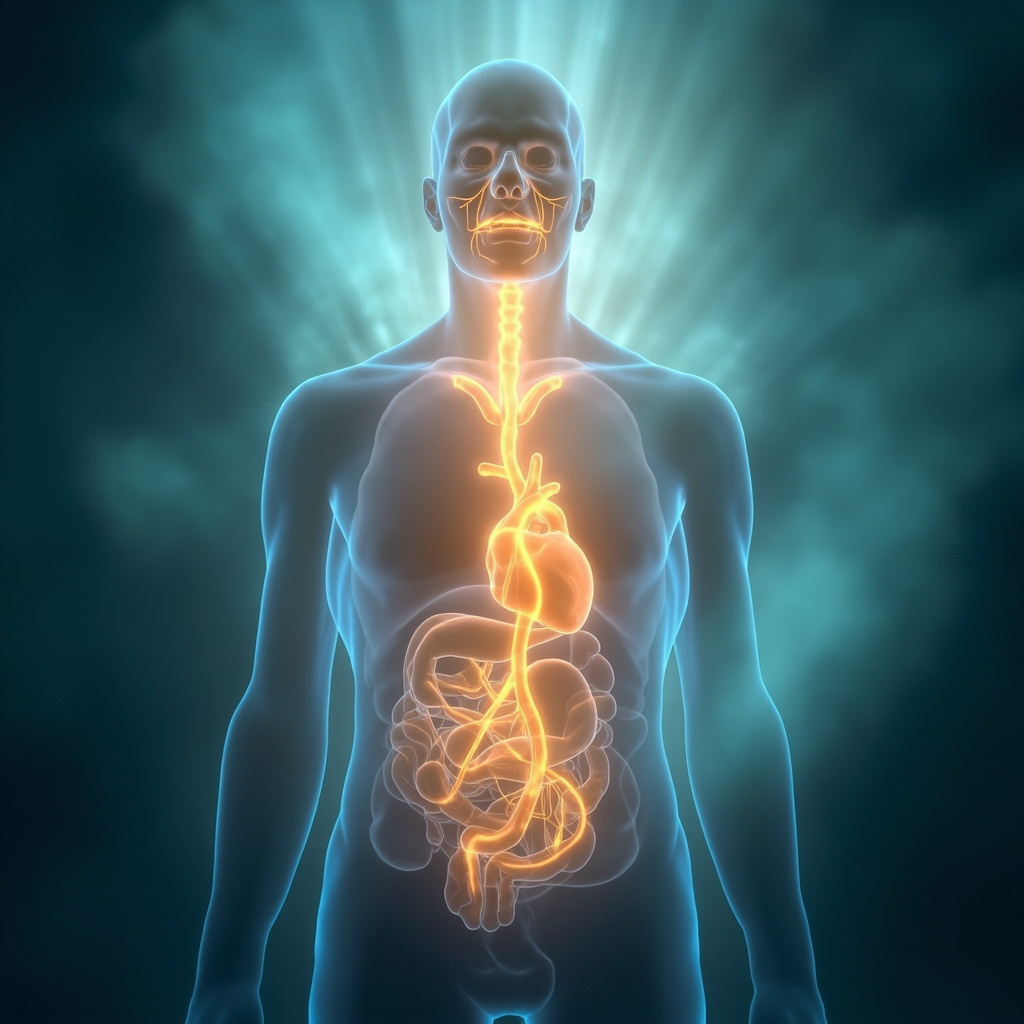
As a life coach, I often observe that the most profound changes in our well-being do not come from external achievements, but from tuning into the systems already hardwired within us. One of the most fascinating components of your internal anatomy is the vagus nerve. Think of it as the great conductor of your body's internal orchestra, responsible for keeping you in a state of balance and harmony.
What Is the Vagus Nerve?
The vagus nerve is the longest cranial nerve in your body, wandering from your brainstem all the way down to your abdomen. It serves as the primary highway for the parasympathetic nervous system, which is often called the rest-and-digest system. While your sympathetic nervous system prepares you for action or stress, the vagus nerve acts as the brake pedal. It tells your heart to slow down, your breath to deepen, and your digestion to function smoothly.
The Link Between Body and Mind
When we experience chronic stress, anxiety, or digestive irregularities, it is often a sign that our internal brake pedal is not engaging effectively. This is what we refer to as parasympathetic dysfunction. Because the vagus nerve connects your brain directly to your gut, it explains why you might feel butterflies in your stomach when nervous or why prolonged stress can lead to physical discomfort.
By focusing on the vagus nerve, we are not just addressing a physical structure; we are tapping into a powerful resource for emotional regulation. When this nerve is active and healthy, it helps reduce inflammation, improves immune function, and fosters a sense of safety that is essential for mental clarity and emotional resilience.
Tuning Into Your Internal State
Modern life often keeps us in a state of high alert. Learning to stimulate and support your vagus nerve is a fundamental practice for anyone seeking greater balance.
Through mindful practices, we can encourage this nerve to function optimally. This might look like:
- Deep, slow breathing: Lengthening your exhale is one of the fastest ways to signal your vagus nerve that you are safe.
- Targeted sound and frequency: Just as music can change your mood, specific frequencies can resonate with your body to encourage a shift from stress to relaxation.
- Gentle movement: Practices that emphasize awareness and release help clear the tension that keeps the nervous system locked in a defensive mode.
Building Resilience Through Awareness
Working with your body's electrical and energetic signals allows us to see when the vagus nerve needs extra support. When we identify this as a priority, we can use specific tools to guide the body back to its natural rhythm. This is not about forcing a change, but rather inviting your system to return to its most efficient state.
By paying attention to your internal biomarkers, you gain a clearer picture of when your body is struggling to find calm. Whether you are dealing with persistent stress, difficulty in recovery after a taxing day, or simply a desire to feel more centered, acknowledging the role of the vagus nerve is a vital step in your journey of personal development.
Remember, your body possesses an innate wisdom. When you provide it with the right support, it knows exactly how to heal, balance, and thrive. Take a moment today to breathe deeply and appreciate the silent, rhythmic work your vagus nerve performs every second to keep you connected, calm, and present.
Related posts
Glossary
- Energy and mind Structures > Regulation
- Energy and mind Structures > Mental
- Body zones > parasympathetic
- TCM Recipes > Digestive Relief: A Simple Guide to Ease Bloating & Indigestion
- TCM Recipes > Stomach Health: Natural Remedies for Digestive Issues
- TCM Recipes > Heart Health: Remedies for Anxiety and Palpitations
- TCM Recipes > Vagus Nerve Support: A Natural Approach to Calm and Heal
- TCM Recipes > Brain Boost: Clear Fog, Improve Focus & Memory
- Energy and mind Structures > Digestion
- Energy and mind Structures > Stress
- Stimuli > SHH, Development
- Stimuli > Hepatitis G virus, Primary
- Binaural beats > Nervous System: A Program for Emotional Balance and Relaxation
- Stimuli > Stimulate
- Stimuli > Lead
- Stimuli > Harmony
see also...
- Energy and mind Structures > HRV
- Energy and mind Structures > Body zones > plasma
- Energy and mind Structures > TCM Recipes > Boost Energy: A Simple Remedy for Low Energy and Fatigue
- Testimonials > 61% Drop in Nausea and 58% in Headaches from Sound Therapy
- Binaural beats > Stimuli > Sacral, Zinc Etc
- Binaural beats > Transmutation: A Sound Journey for Personal Change