


Sphincters: Guardians of Flow and Boundaries
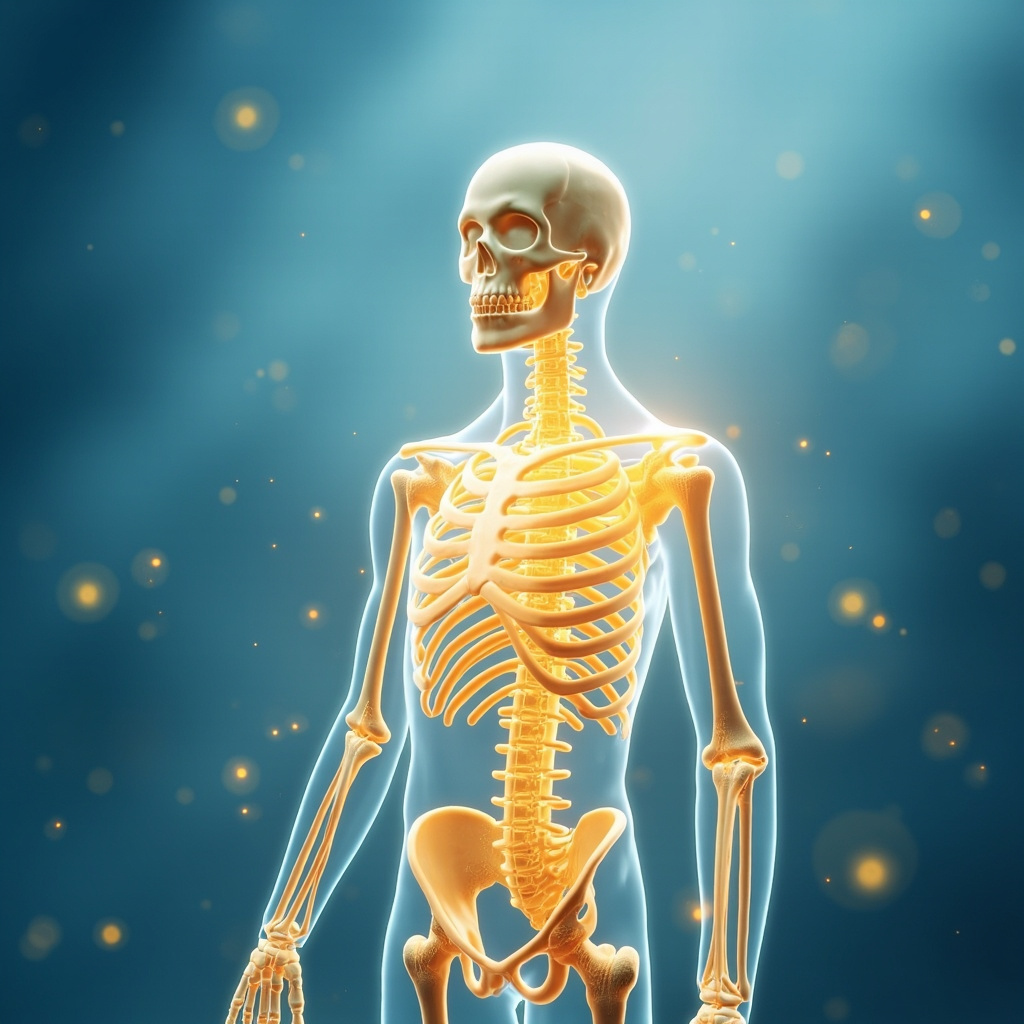
Sphincters act as natural valves throughout your body, opening and closing to manage the flow of substances. These circular muscles ensure everything moves smoothly when it should, preventing leaks or backups. Found in key areas like the digestive tract, urinary system, and more, they play a quiet but essential role in daily comfort and health.
Locations and Physical Roles
Sphincters are positioned strategically:
- Lower esophageal sphincter: Guards the entrance to the stomach, stopping acid from rising back up.
- Pyloric sphincter: Controls food passage from stomach to small intestine.
- Ileocecal valve: Manages flow between small and large intestines.
- Anal sphincter: Regulates elimination.
- Urethral sphincter: Supports bladder control.
When healthy, they contract firmly to hold and relax gently to release. This rhythm supports digestion, elimination, and urinary function, keeping your systems efficient and balanced.
Energy Flow and Emotional Ties
In energy healing, sphincters link to themes of control and boundaries. They reflect how we handle letting go in life. Tension here often points to:
- Fear of losing control.
- Difficulty setting personal limits.
- Feeling trapped or overwhelmed.
Stress can tighten these muscles, as research shows mental stress raises anal pressures. This creates a physical echo of emotional holding. On the flip side, relaxed sphincters signal trust, healthy boundaries, and ease in release. They connect to root and sacral chakras, where security and emotional flow meet.
Signs of Imbalance
When sphincters struggle, symptoms appear:
Physical Cues
- Acid reflux or heartburn (weak esophageal sphincter).
- Bloating, constipation, or diarrhea (digestive sphincters out of sync).
- Urinary leaks or urgency (urethral issues).
- Fecal incontinence (anal weakness).
Emotional Signals
- Over-control in relationships or work.
- Anxiety about vulnerability.
- Chronic tension from unexpressed needs.
These signs suggest energy blockages. Vitality dips as the body diverts effort to compensate.
Sphincters as Healing Resources
Healthy sphincters support the whole system:
- Aid detox by regulating waste removal.
- Boost digestion for better nutrient absorption.
- Stabilize urinary health, easing daily confidence.
Psychologically, they offer release. Strong boundaries reduce stress, freeing energy for creativity and calm. In chakra work, tuning them aligns lower energy centers, enhancing grounding and flow.
As an inner energy practitioner, I see sphincters as allies. Their biomarkers reveal stress patterns and resilience. Balanced ones amplify healing for nearby organs, like stomach or bladder, promoting overall coherence.
Restoring Harmony
Support your sphincters through simple practices:
- Deep Breathing: Slow belly breaths relax muscles, signaling safety to release.
- Boundary Work: Journal about limits; affirm 'I control my flow'.
- Gentle Movement: Yoga poses like child's pose or pelvic tilts ease tension.
- Hydration and Diet: Fiber-rich foods and water aid natural rhythm.
- Mindful Release: Visualize gates opening smoothly during meditation.
Energy techniques, like hands-on healing or vibrational tuning, target these areas directly. Track progress by noting ease in digestion and emotional lightness.
For deeper insights, explore the sphincters glossary.
Balanced sphincters foster a life of fluid boundaries and vital flow. Embrace their wisdom for renewed energy and peace.
- 1. amu.apus.edu
- 2. open.spotify.com
- 3. onlinelibrary.wiley.com
- 4. insighttimer.com
- 5. barcelona.guttmann.com
- 6. cell.com
- 7. letitgowithreiki.com
- 8. pmc.ncbi.nlm.nih.gov
- 9. pmc.ncbi.nlm.nih.gov
- 10. drsusieg.com
- 11. link.springer.com
- 12. sciencedirect.com
- 13. shavasti.com
- 14. ubiehealth.com
- 15. thepranichealers.com
- 16. facebook.com
- 17. youtube.com
- 18. europepmc.org
- 19. youtube.com
- 20. tandfonline.com
- 21. medicine.yale.edu
- 22. pmc.ncbi.nlm.nih.gov
- 23. britishjournalofcommunitynursing.com
- 24. researchgate.net
- 25. youtube.com
- 26. youtube.com
- 27. biokplus.com
- 28. elitelearning.com
- 29. music.apple.com
- 30. mentalhealthctr.com
- 31. frontiersin.org
- 32. academic.oup.com
- 33. doi.org
- 34. pmc.ncbi.nlm.nih.gov
- 35. britannica.com
- 36. youtube.com
- 37. open.spotify.com
- 38. wellrootscounseling.com
- 39. nature.com
- 40. news.mit.edu
- 41. healthychildren.org
- 42. myyogateacher.com
- 43. pmc.ncbi.nlm.nih.gov
- 44. pmc.ncbi.nlm.nih.gov
- 45. sciencedaily.com
- 46. youtube.com
- 47. pmc.ncbi.nlm.nih.gov
- 48. ecu.edu.au
- 49. integrativehealthcare.org
- 50. vita4life.net
Related posts
Glossary
- Energy and mind Structures > Mental
- Energy and mind Structures > Water
- Energy and mind Structures > Security
- Energy and mind Structures > Peace
- Energy and mind Structures > Letting go
- Energy and mind Structures > Confidence
- Energy and mind Structures > Relax
- Body zones > muscles
- Body zones > sphincters
- Energy and mind Structures > Organs
- TCM Recipes > Constipation Relief: Herbal Remedies for Digestive Comfort
- TCM Recipes > Urinary Health: Remedies for Frequent Urination & Weak Kidneys
- TCM Recipes > Digestive Relief: A Simple Guide to Ease Bloating & Indigestion
- TCM Recipes > Heartburn Relief: A Simple TCM Recipe for Comfort
- TCM Recipes > Stomach Health: Natural Remedies for Digestive Issues
- Energy and mind Structures > Digestion
- Energy and mind Structures > Theta; 4.31-6.97 Hz. Light sleep, meditation.
- Energy and mind Structures > Stress
- Stimuli > Bladder