


Intercostal Muscles: Breath of Freedom
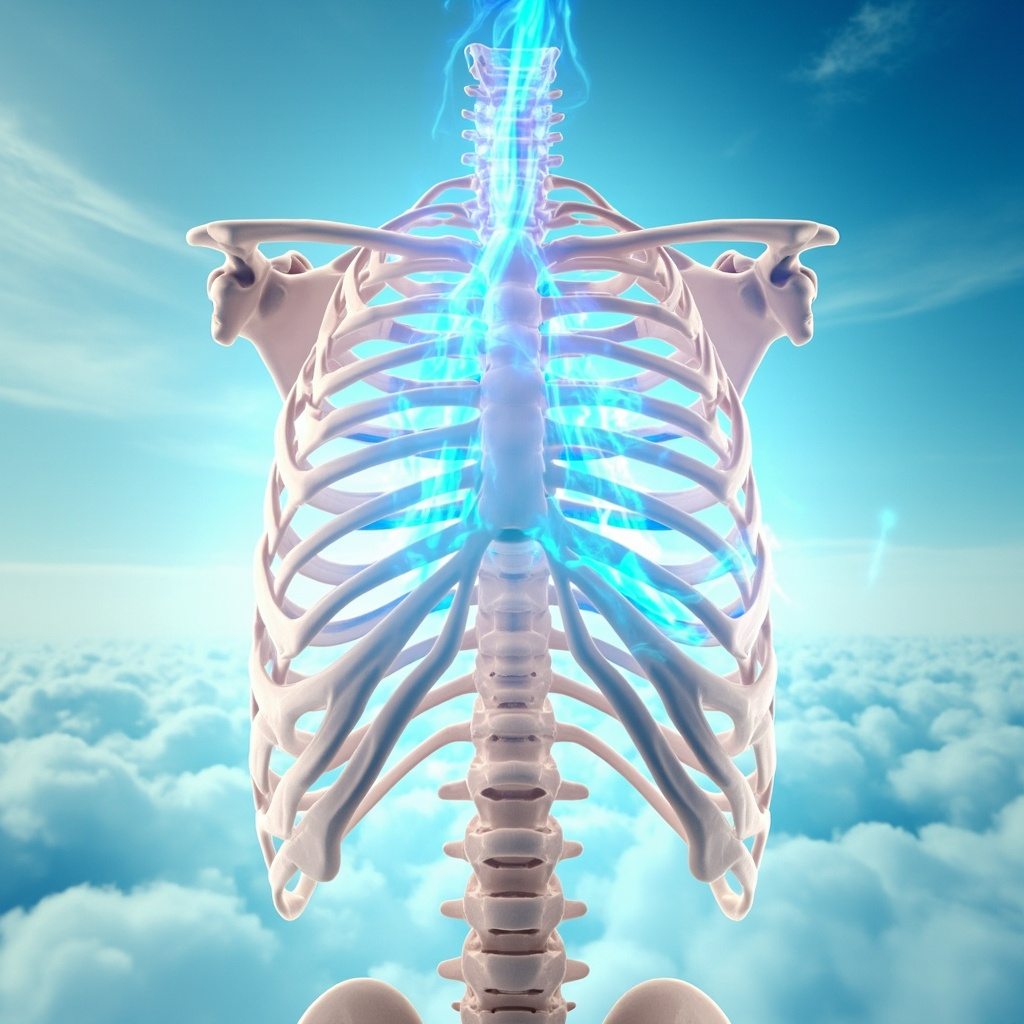
The intercostal muscles sit quietly between your ribs, working without notice to make breathing possible. They lift and lower the rib cage with each inhale and exhale, allowing your lungs to fill with fresh air and release what you no longer need. This simple action fuels every cell in your body with oxygen, supporting vitality from head to toe.
Where They Live and What They Do
Picture your chest as a bellows. The intercostals are the flexible bands that expand it outward on the in-breath and pull it back on the out-breath. There are external ones for inhaling and internal ones for exhaling, creating a smooth rhythm. When healthy, they ensure deep, effortless ventilation. Your blood carries oxygen efficiently, organs thrive, and you feel energized.
Strong intercostals boost lung capacity, making physical activity easier and recovery faster. They team up with the diaphragm, the main breathing muscle below the lungs, to handle demands like exercise or stress. Weak or tense intercostals lead to shallow breaths, fatigue, and even chest tightness.
Breath as Life Energy
In energy healing, breath is prana or vital force. The intercostals channel this energy into your core. Full breaths activate the heart chakra, the center of love, compassion, and openness around your chest. Balanced intercostals promote emotional flow, releasing stuck feelings and inviting calm.
Biomarkers from electrical activity scans reveal their state: high energy means vibrant support for the body; agitation signals tension. As a resource, they oxygenate tissues, easing stress on the heart, brain, and muscles. They foster resilience, helping you adapt to life's pressures.
Emotional Links to Tension
Feelings of being trapped or suffocated often show up here. Responsibilities weighing you down, fear of confrontation, or crowded personal space can tighten these muscles. Stress triggers shallow breathing, creating a cycle: anxiety tenses the chest, poor oxygen amps up worry.
Studies link chest tightness to emotional strain, like in panic or non-heart chest pain. Intercostal strain mimics heart issues but stems from muscle holding patterns tied to unexpressed emotions. Releasing this supports not just breath, but inner freedom.
Signs Your Intercostals Need Attention
Watch for:
- Shortness of breath during calm moments
- Chest tightness or pain with movement
- Frequent sighs or yawning for more air
- Fatigue after light activity
- Emotional heaviness, like grief or overwhelm
These hint at energy blocks. In healing work, we assess biomarkers for stress and resilience, guiding chakra alignment and flow restoration.
Ways to Restore Balance
Support your intercostals through simple practices:
Deep Breathing Exercises
- Sit tall. Inhale slowly through your nose, feeling ribs expand sideways. Exhale fully, ribs drawing in. Repeat 10 times daily to tone muscles and calm nerves.
Gentle Stretches
- Side bends: Reach one arm overhead, lean gently side to side. Hold 20 seconds each way to open the chest.
Energy Alignment
- Visualize blue light flowing between ribs, dissolving tension. Pair with affirmations: "I claim my space and breathe freely."
- Hands-on healing: Place palms on sides of ribs, intend relaxation and vitality.
Mindful Movement
- Yoga poses like child's pose or cat-cow enhance flexibility and awareness.
Over time, these build coherence. Track progress with trends in energy levels and emotional ease. Healthy intercostals empower deeper self-development, turning breath into a bridge for mind-body-spirit harmony.
Breathe into your full potential today.
- 1. pubmed.ncbi.nlm.nih.gov
- 2. youtube.com
- 3. nature.com
- 4. instagram.com
- 5. innersummits.ca
- 6. deepspacesound.life
- 7. powerbreathe.com
- 8. jaimehaines.com
- 9. wellrootscounseling.com
- 10. instagram.com
- 11. my.clevelandclinic.org
- 12. youtube.com
- 13. pubmed.ncbi.nlm.nih.gov
- 14. heart.org
- 15. rebeccaabraxas.com
- 16. pubmed.ncbi.nlm.nih.gov
- 17. youtube.com
- 18. vitalityenergyhealing.com
- 19. nfid.org
- 20. youtube.com
- 21. ufhealth.org
- 22. healthline.com
- 23. sciencedirect.com
- 24. facebook.com
- 25. managedhealthcareexecutive.com
- 26. pmc.ncbi.nlm.nih.gov
- 27. open.spotify.com
- 28. pubmed.ncbi.nlm.nih.gov
- 29. pmc.ncbi.nlm.nih.gov
- 30. youtube.com
- 31. insighttimer.com
- 32. connect.mayoclinic.org
- 33. amsa.org
- 34. journals.physiology.org
- 35. manipalcigna.com
- 36. youtube.com
- 37. sacredenergy.org
- 38. wellspire.net
- 39. sanctuaryhealingarts.org
- 40. pubmed.ncbi.nlm.nih.gov
- 41. healthline.com
- 42. xinalaniretreat.com
- 43. healthline.com
- 44. healthline.com
- 45. medium.com
- 46. youtube.com
- 47. instagram.com
- 48. uclahealth.org
- 49. meditativemind.org
- 50. jeffersoncitymag.com
Related posts
Glossary
- Energy and mind Structures > oxygen
- Energy and mind Structures > Love
- Energy and mind Structures > Grief
- Body zones > head
- Body zones > lungs
- Body zones > muscles
- Body zones > intercostal
- Body zones > nerves
- Body zones > nose
- Body zones > tissues
- Body zones > chest
- Energy and mind Structures > Organs
- TCM Recipes > Heart Health: Remedies for Anxiety and Palpitations
- TCM Recipes > Lung Support: A TCM Recipe for Respiratory Health
- TCM Recipes > Brain Boost: Clear Fog, Improve Focus & Memory
- TCM Recipes > Boost Your Energy: A TCM Recipe for Fatigue Relief
- Energy and mind Structures > vitality
- Energy and mind Structures > Prana; Nerves, vital force
- Energy and mind Structures > Stress
- Stimuli > Moon - Nasal Passage, Breathing, Taste
- Stimuli > Pain
- Stimuli > Lead
- Stimuli > Harmony
- Stimuli > Blood
see also...
- Energy and mind Structures > HRV
- Energy and mind Structures > Body zones > substantia nigra
- Energy and mind Structures > TCM Recipes > Tension Headache Relief: A Natural Approach to Ease Stress
- Testimonials > 61% Drop in Nausea and 58% in Headaches from Sound Therapy
- Binaural beats > Stimuli > Variolinum