


Pericardium: Yoga for Heart Protection & Calm
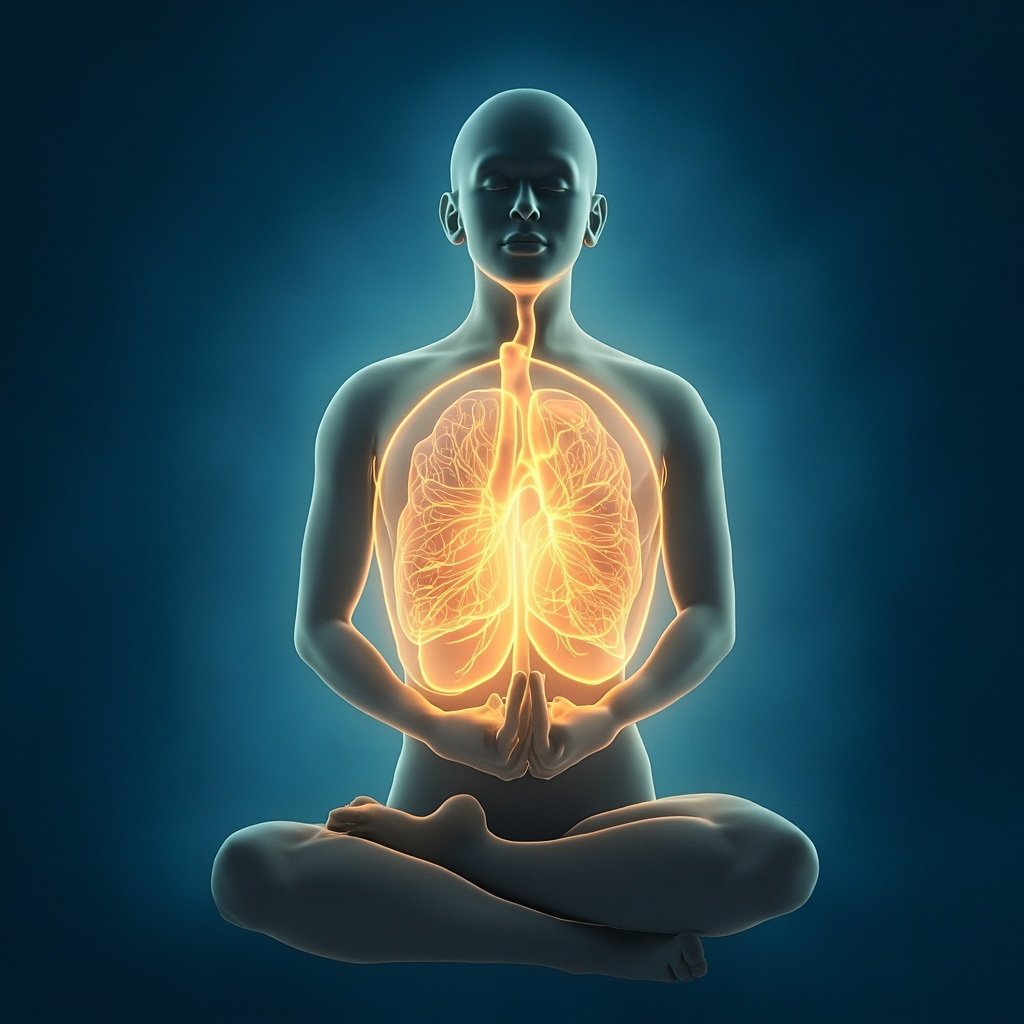
The Pericardium: Guardian of the Heart
The pericardium surrounds your heart in a thin, double-layered sac. It acts like a shield, holding the heart steady in the chest while letting it beat freely. This sac reduces friction from nearby tissues and lungs, ensuring smooth motion with every heartbeat. Learn more about the pericardium.
When balanced, it supports strong heart function and steady blood flow. Signs of strain include chest discomfort, shortness of breath, or fatigue during activity. These can signal inflammation or excess fluid buildup around the heart.
Emotional Role of the Pericardium
Beyond the physical, the pericardium links to feelings of safety and protection. It guards the heart from emotional shocks, much like a buffer against hurt or vulnerability. When out of balance, you might feel exposed, anxious about relationships, or carry old emotional wounds that tighten the chest.
As a resource, the pericardium offers stability. It helps other body parts by providing calm protection, smoothing energy flow, and fostering trust. This makes it key for overall well-being, blending physical ease with emotional resilience.
Why Yoga Supports the Pericardium
Yoga therapy targets this area through gentle chest openers and breathwork. These practices release tension, improve circulation, and calm the nervous system. Based on stress markers or heart rate variability (HRV), we can tailor sequences to boost relaxation and posture.
Focus on heart-opening poses to stretch the front body, ease pericardial tightness, and invite emotional flow. Pair with slow breaths to activate the calming side of your nervous system.
Key Breathing Exercises
Start with these to prepare:
-
Diaphragmatic Breath: Lie down, hand on chest and belly. Breathe so belly rises first, chest second. Hold 4 counts, exhale 6. This reduces heart strain and builds calm.
-
Alternate Nostril Breathing (Nadi Shodhana): Close right nostril, inhale left. Close left, exhale right. Repeat 5 rounds. Balances energy, steadies emotions.
Recommended Yoga Poses
Bridge Pose (Setu Bandhasana)
Lie on your back, knees bent, feet hip-width. Press feet down, lift hips toward ceiling. Clasp hands under back or rest arms. Hold 30-60 seconds, breathe deeply.
Benefits: Opens chest and pericardium area, strengthens back, improves heart circulation. Releases stored emotional tension for a sense of protection.
Camel Pose (Ustrasana)
Kneel, hands on lower back. Arch gently, reach hands to heels if comfortable. Lift chest, gaze up. Hold 20-30 seconds.
Benefits: Deep chest stretch targets pericardium, boosts spine flexibility, invites joy and openness. Modify with blocks for beginners.
Supported Fish Pose (Matsyasana Variation)
Sit with bolster under upper back, legs extended or in lotus. Arms wide, relax throat. Rest 3-5 minutes.
Benefits: Passive opener for heart space, calms stress response, enhances emotional shielding.
Child's Pose (Balasana)
Kneel, fold forward, arms extended or by sides. Forehead to mat. Breathe into chest.
Benefits: Counterpose to openers, restores balance, soothes pericardial agitation.
A Simple 10-Minute Sequence
- Diaphragmatic Breath (2 min)
- Bridge Pose (3 rounds)
- Camel Pose (2 rounds)
- Supported Fish (3 min)
- Child's Pose (2 min)
- Alternate Nostril Breath (2 min)
Practice daily, especially if stress or chest tightness arises. Track how your energy shifts-deeper breaths mean progress. For personalization, note HRV or posture cues to adjust intensity.
Integrating into Daily Life
Use these during transitions: morning for vitality, evening for recovery. They build resilience, linking breath, movement, and awareness. Over time, feel your pericardium as a steady ally, protecting heart and spirit alike.
This approach draws from yoga therapy principles, honoring body signals for true harmony.
Related posts
Glossary
- Energy and mind Structures > Relax
- Body zones > lungs
- Body zones > pericardium
- Body zones > throat
- Body zones > tissues
- Body zones > chest
- TCM Recipes > Circulation: Boost Energy and Warm Your Extremities
- TCM Recipes > Heart Health: Remedies for Anxiety and Palpitations
- TCM Recipes > Boost Your Energy: A TCM Recipe for Fatigue Relief
- Energy and mind Structures > vitality
- Energy and mind Structures > movement
- Energy and mind Structures > Stress
- Stimuli > Moon - Nasal Passage, Breathing, Taste
- Binaural beats > Inflammation Relief: Heal Faster with Binaural Beats
- Binaural beats > Nervous System: A Program for Emotional Balance and Relaxation
- Stimuli > Harmony
- Stimuli > Blood
see also...
- Energy and mind Structures > HRV
- Energy and mind Structures > Body zones > substantia nigra
- Energy and mind Structures > TCM Recipes > Tension Headache Relief: A Natural Approach to Ease Stress
- Testimonials > 61% Drop in Nausea and 58% in Headaches from Sound Therapy
- Binaural beats > Stimuli > Variolinum
- Binaural beats > Transmutation: A Sound Journey for Personal Change