


Lung Lobes: Yoga for Breath & Emotional Calm
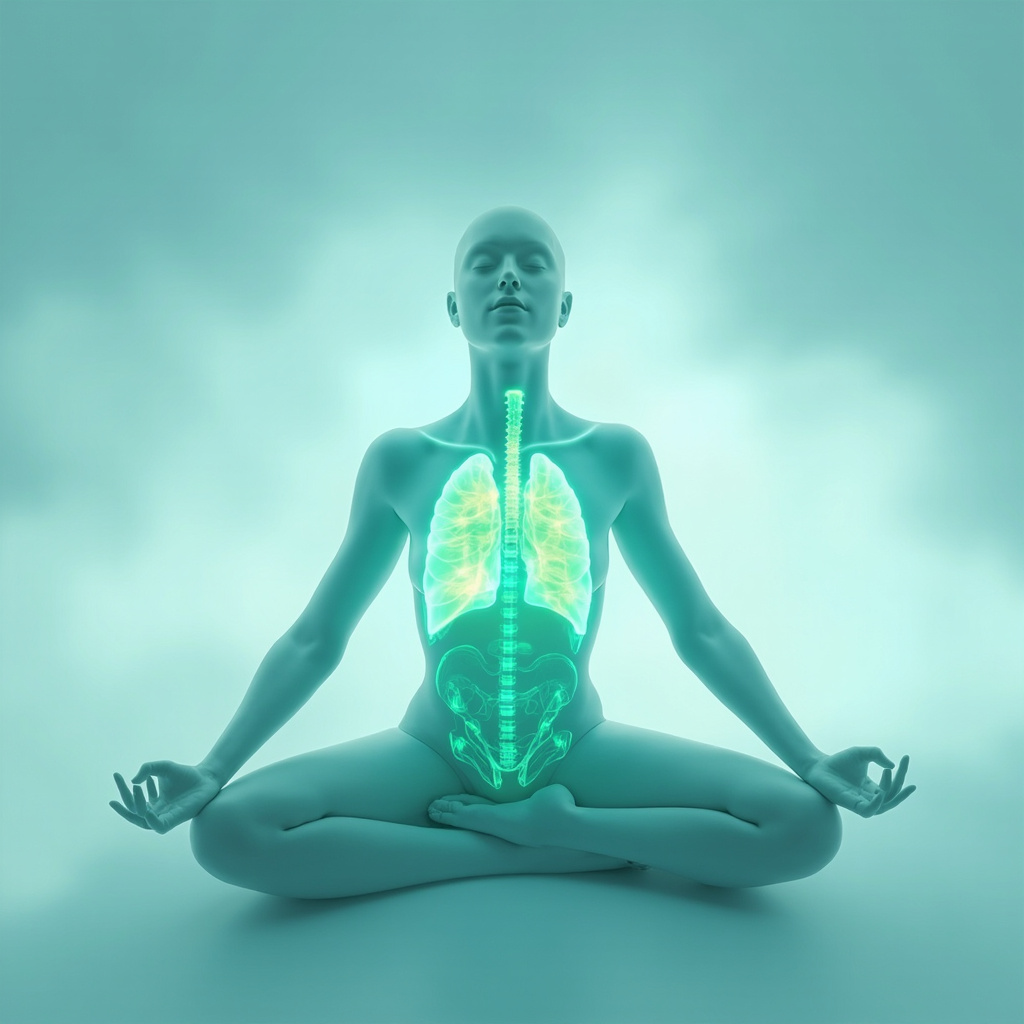
Understanding Lung Lobes
The lung lobes divide the lungs into sections for efficient breathing. The right lung has three lobes: upper, middle, and lower. The left lung has two: upper and lower. These lobes handle gas exchange, pulling oxygen into your blood and releasing carbon dioxide. For more details, see the glossary entry.
Healthy lobes ensure steady energy and clear breathing. Issues like infections or inflammation can limit oxygen flow, leading to fatigue or shortness of breath.
Lung Lobes and Emotions
Lungs connect deeply to feelings. Fear, anxiety, and grief often show up here. Unresolved sadness can feel like tightness in the chest, making deep breaths hard. Feeling overwhelmed or trapped may signal emotional blocks in the lungs.
When balanced, lung lobes act as a resource. They boost oxygen to all cells, aiding energy and calm. Addressing fear supports better rest and resilience.
Yoga to Support Lung Lobes
Yoga opens the chest, strengthens breathing muscles, and eases emotions. Practice these poses regularly to nurture your lobes. Breathe deeply and slowly in each.
Chest-Opening Poses
- Cobra Pose (Bhujangasana): Lie on your belly, hands under shoulders. Lift your chest, keeping elbows soft. Hold 20-30 seconds. Opens the front lungs, releases grief.
- Bridge Pose (Setu Bandhasana): Lie on back, feet flat, lift hips. Clasp hands under back. Hold 30 seconds. Expands chest, improves oxygen flow.
- Camel Pose (Ustrasana): Kneel, arch back, hands to heels. Gaze up gently. Hold 20 seconds. Deepens breath, calms anxiety.
Breathing Exercises
- Alternate Nostril Breathing (Nadi Shodhana): Close right nostril, inhale left. Close left, exhale right. Repeat 5 minutes. Balances lungs, soothes fear.
- Deep Belly Breathing: Sit tall, hand on belly. Inhale to expand belly, exhale fully. 10 rounds. Strengthens lobes, clears emotional weight.
A Simple Sequence for Daily Practice
- Start with 5 minutes of belly breathing.
- Flow into Cobra (3 rounds).
- Move to Bridge (3 holds).
- End with Camel (2 holds).
- Rest in Child's Pose for calm.
Do this 15-20 minutes daily. Notice easier breaths and lighter emotions.
Benefits Backed by Practice
These moves enhance lung capacity and reduce stress. They support posture for freer breathing and build awareness to process grief.
As a yoga coach, I tailor these based on your stress and breathing patterns. Lung lobes thrive with gentle, consistent care.
- 1. anoasisofhealing.com
- 2. pmc.ncbi.nlm.nih.gov
- 3. healthcare-bulletin.co.uk
- 4. nhlbi.nih.gov
- 5. lung.org
- 6. sciencedaily.com
- 7. instagram.com
- 8. yogatribebrooklyn.com
- 9. youtube.com
- 10. timesofindia.indiatimes.com
- 11. texascenterforlifestylemedicine.org
- 12. respiratory-therapy.com
- 13. onlinelibrary.wiley.com
- 14. lung.org
- 15. nm.org
- 16. tummee.com
- 17. facebook.com
- 18. movability.ca
- 19. sciencedirect.com
- 20. ncbi.nlm.nih.gov
- 21. my.clevelandclinic.org
- 22. airwayhealth.org
- 23. matherhospital.org
- 24. livemint.com
- 25. pmc.ncbi.nlm.nih.gov
- 26. youtube.com
- 27. playpausebe.com
- 28. verywellmind.com
- 29. lung.org
- 30. goeclipse.co.in
- 31. shvasa.com
- 32. yogajournal.com
- 33. zenshiatsuandwellbeing.co.uk
- 34. methapharmrespiratory.com
Related posts
Glossary
- Energy and mind Structures > oxygen
- Energy and mind Structures > carbon
- Energy and mind Structures > Sadness
- Energy and mind Structures > Grief
- Body zones > lungs
- Body zones > lobes
- Body zones > muscles
- Body zones > chest
- TCM Recipes > Lung Support: A TCM Recipe for Respiratory Health
- TCM Recipes > Boost Your Energy: A TCM Recipe for Fatigue Relief
- Energy and mind Structures > Stress
- Stimuli > Moon - Nasal Passage, Breathing, Taste
- Binaural beats > Inflammation Relief: Heal Faster with Binaural Beats
- Stimuli > Blood
see also...
- Energy and mind Structures > HRV
- Energy and mind Structures > Body zones > substantia nigra
- Energy and mind Structures > TCM Recipes > Tension Headache Relief: A Natural Approach to Ease Stress
- Testimonials > 61% Drop in Nausea and 58% in Headaches from Sound Therapy
- Binaural beats > Stimuli > Variolinum
- Binaural beats > Desensitizer: Boost Your Energy and Focus Effectively