


Adrenaline: Yoga for Fight-or-Flight Balance
Understanding Adrenaline
Adrenaline, also known as epinephrine, is a hormone made by the adrenal glands sitting atop your kidneys. It springs into action during stressful moments, preparing your body for fight-or-flight. This means your heart beats faster, your lungs open wider for deeper breaths, and blood rushes to your muscles for action. In short bursts, it gives you the energy to face challenges. For more details, see the adrenaline glossary.
When balanced, adrenaline helps you respond sharply to real threats, like dodging danger or meeting a deadline. But ongoing stress can throw it off, leading to issues like high blood pressure, restlessness, or even exhaustion if levels drop too low.
Signs of Adrenaline Imbalance
Too much adrenaline keeps your body in constant alert mode:
Too little leaves you drained:
These shifts often stem from daily pressures, poor sleep, or unresolved worries. Recent research highlights how practices like yoga support adrenal health by promoting relaxation and self-awareness (source).
The Emotional Side of Adrenaline
Adrenaline ties closely to feelings like fear or a sense of threat. A sudden scare triggers it naturally. But chronic worries-work deadlines, arguments, or lingering fears-can overwork your adrenals, leading to adrenal fatigue. This shows up as emotional burnout, irritability, or feeling overwhelmed.
Addressing these emotions is key. Yoga invites you to notice these patterns without judgment, easing the cycle. By linking breath to movement, you teach your body to shift from panic to poise.
Adrenaline as Your Ally
When healthy, adrenaline is a resource. It boosts:
In yoga, we harness this by blending energizing poses with calming ones, so you gain strength without overload.
Breathing Practices to Balance Adrenaline
Start with your breath-it's the fastest way to calm the fight-or-flight response.
Nadi Shodhana (Alternate Nostril Breathing):
- Sit comfortably, close right nostril with thumb.
- Inhale through left nostril.
- Close left with ring finger, exhale through right.
- Inhale right, exhale left.
- Repeat 5-10 rounds.
This balances the nervous system, reducing adrenaline spikes. Studies on breathing exercises show they lower stress hormones like epinephrine.
Ujjayi Breath (Ocean Breath):
- Inhale deeply through nose, gently constrict throat for a soft 'ocean' sound.
- Exhale same way.
- Use in poses to stay grounded.
Yoga Poses for Adrenal Harmony
Tailor your practice to your needs. For high adrenaline, focus on calming forward bends. For low energy, add dynamic flows.
Calming Poses:
- Child's Pose (Balasana): Kneel, fold forward, arms extended. Rest forehead on mat. Breathe deeply for 2-5 minutes. Releases tension in back and adrenals.
- Legs-Up-the-Wall (Viparita Karani): Lie with legs up wall. Supports adrenals by inverting gently, promoting relaxation.
- Seated Forward Bend (Paschimottanasana): Sit, fold over legs. Calms mind, soothes nerves.
Energizing Poses (use adrenaline wisely):
- Warrior II (Virabhadrasana II): Strong legs, arms extended. Builds resilience, channels energy.
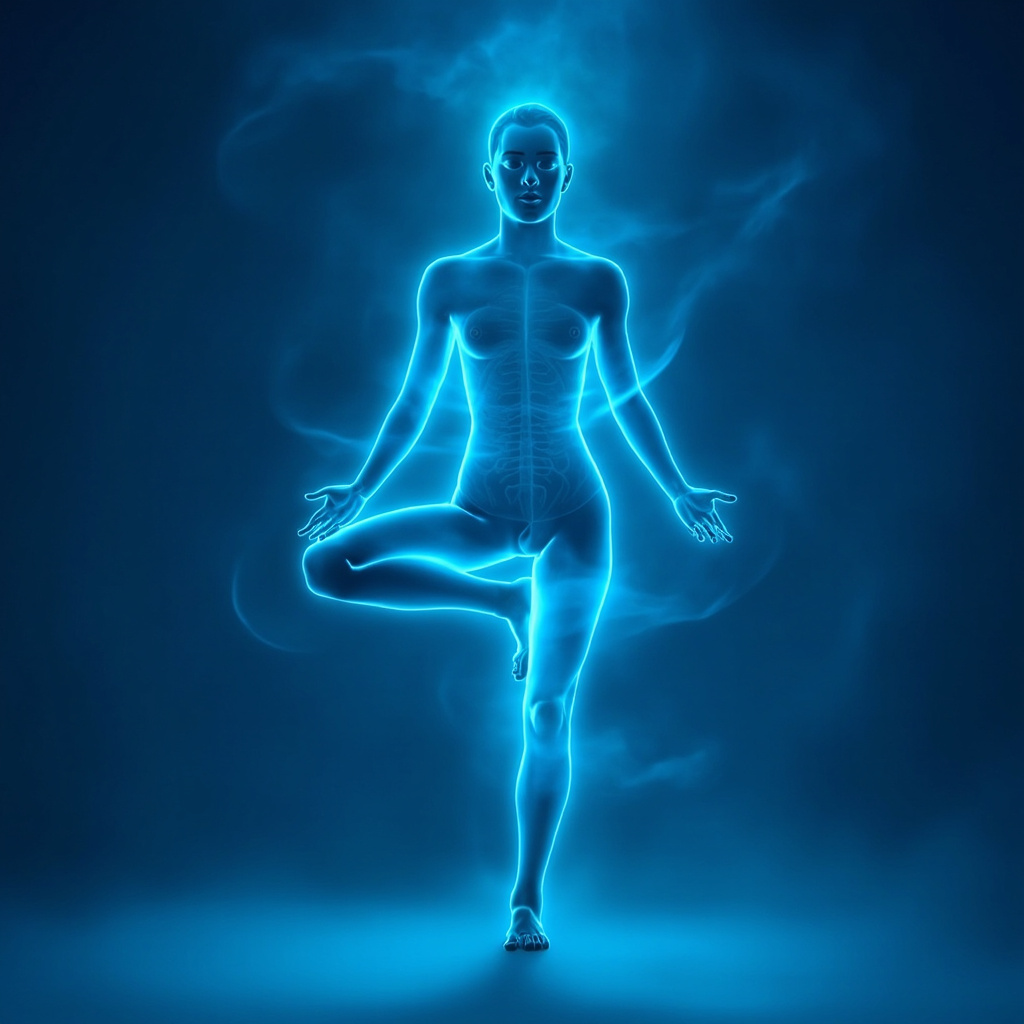
- Tree Pose (Vrksasana): Balance on one leg, other foot to inner thigh. Steadies focus, supports adrenal rhythm.
A Sample Sequence for Balance
Practice 20-30 minutes daily:
- 5 minutes Nadi Shodhana.
- Sun Salutations (3 rounds) to awaken.
- Warrior II (1 minute each side).
- Tree Pose (30 seconds each side).
- Seated Forward Bend (2 minutes).
- Legs-Up-the-Wall (5 minutes).
- End in Corpse Pose (Savasana) for integration.
Track how you feel-more steady energy? Less reactivity? Yoga optimizes stress responses by boosting heart rate variability and parasympathetic activation.
Long-Term Benefits
Regular practice restores adrenal balance, easing anxiety, boosting vitality, and enhancing emotional clarity. You move from reactive survival to empowered living. As a yoga coach, I see clients transform: high-strung tension melts into calm strength, fatigue lifts into vibrant flow.
Embrace adrenaline's power with yoga's wisdom.
- 1. harmony.care
- 2. pmc.ncbi.nlm.nih.gov
- 3. youtube.com
- 4. vibrant.yoga
- 5. sciencedirect.com
- 6. lifestylemedicine.stanford.edu
- 7. insighttimer.com
- 8. mayoclinic.org
- 9. facebook.com
- 10. healthline.com
- 11. pinaryalcinbahat.com
- 12. instagram.com
- 13. consensus.app
- 14. youtube.com
- 15. instagram.com
- 16. theremedyroom.com
- 17. health.harvard.edu
- 18. africanjournalofbiomedicalresearch.com
- 19. d-scholarship.pitt.edu
- 20. fiorellaamado.com
- 21. sciencedirect.com
- 22. instagram.com
- 23. youtube.com
- 24. news.illinois.edu
- 25. pmc.ncbi.nlm.nih.gov
- 26. eurekalert.org
- 27. thewellnesscorner.com
- 28. uclahealth.org
- 29. nature.com
- 30. health.harvard.edu
- 31. youtube.com
- 32. pmc.ncbi.nlm.nih.gov
- 33. heart.org
- 34. yogajournal.com
- 35. researchgate.net
- 36. researchgate.net
- 37. powerbreathe.com
- 38. facebook.com
- 39. pmc.ncbi.nlm.nih.gov
Related posts
Glossary
- Energy and mind Structures > Focused Coherence; Focus
- Energy and mind Structures > Exhaustion
- Body zones > hormones
- Body zones > adrenaline
- Body zones > kidneys
- Body zones > lungs
- Body zones > muscles
- Body zones > nerves
- Body zones > nose
- Body zones > parasympathetic
- Body zones > throat
- Body zones > face
- TCM Recipes > Stress Relief for High Blood Pressure: A TCM Approach
- TCM Recipes > Heart Health: Remedies for Anxiety and Palpitations
- TCM Recipes > Adrenal Support: Remedies for Fatigue and Stress
- TCM Recipes > Boost Your Energy: A TCM Recipe for Fatigue Relief
- Energy and mind Structures > sleep
- Energy and mind Structures > vitality
- Energy and mind Structures > blood pressure
- Energy and mind Structures > movement
- Energy and mind Structures > Stress
- Stimuli > Moon - Nasal Passage, Breathing, Taste
- Binaural beats > Nervous System: A Program for Emotional Balance and Relaxation
- Stimuli > Blood
see also...
- Energy and mind Structures > HRV
- Energy and mind Structures > Body zones > thoracic
- Energy and mind Structures > TCM Recipes > Tension Headache Relief: A Natural Approach to Ease Stress
- Testimonials > 61% Drop in Nausea and 58% in Headaches from Sound Therapy
- Binaural beats > Stimuli > Variolinum
- Binaural beats > Transmutation: A Sound Journey for Personal Change