


Cortex: Yoga for Stress Resilience
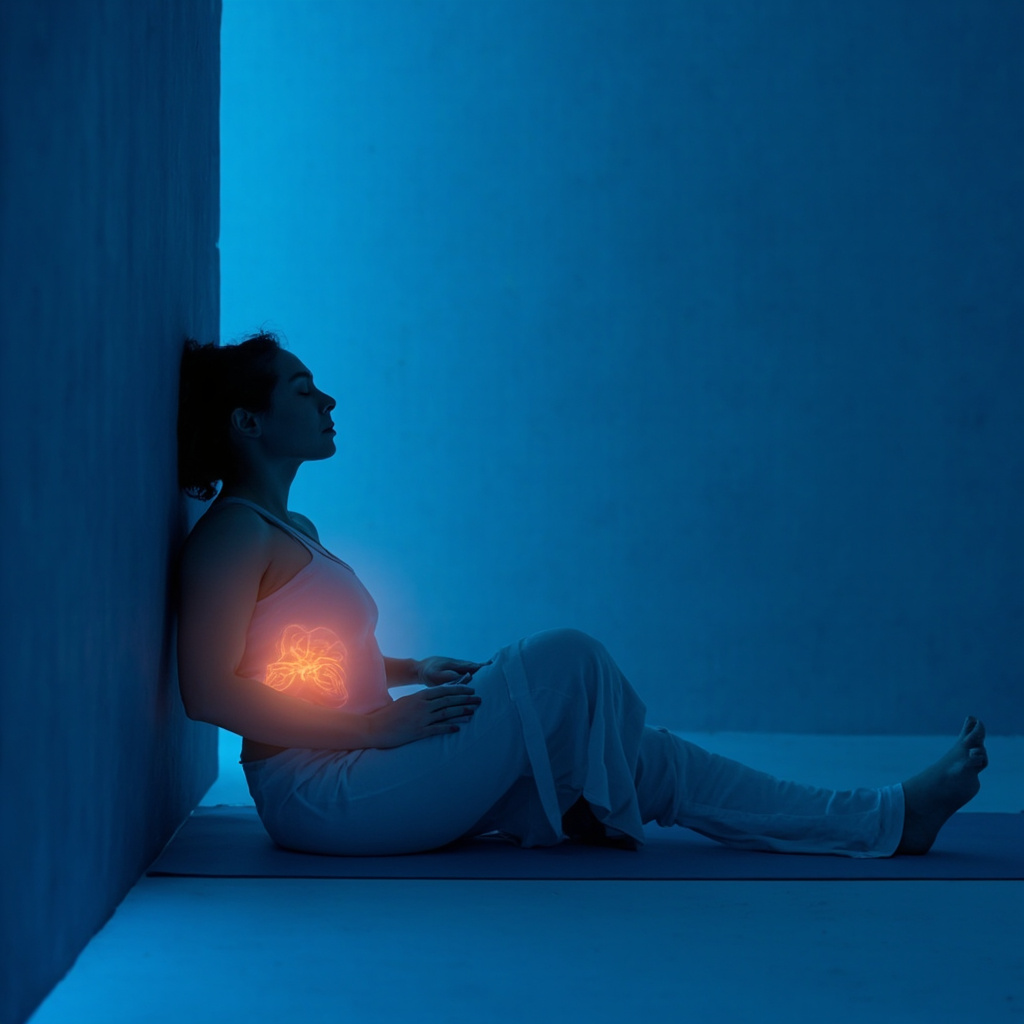
Understanding the Adrenal Cortex
The adrenal cortex forms the outer layer of the adrenal glands, small organs perched above your kidneys. It produces key hormones such as cortisol, aldosterone, and androgens. These help control metabolism, blood pressure, immune function, and your response to stress. When balanced, it keeps your body steady and ready for daily challenges. For more details, see the glossary.
Signs of Adrenal Cortex Imbalance
If the adrenal cortex struggles, you might notice fatigue, unexplained weight gain or loss, high or low blood pressure, weakened immunity, or sleep issues. Too much cortisol from ongoing stress can wear you down, leading to muscle weakness and higher blood sugar. Low output, as in Addison's disease, brings exhaustion and dizziness. These shifts often stem from chronic pressure in life.
Emotional Links to the Adrenal Cortex
This gland ties closely to feelings of stress, fear, and survival urges. Overwhelm from demands, threats to security, or control needs can strain it. Anxiety about the future or intense pressure may signal deeper conflicts. Balancing it fosters emotional resilience, turning fear into steady confidence.
Using the Adrenal Cortex as a Resource
A healthy adrenal cortex supports other body parts by steadying stress reactions, blood pressure, and energy use. It builds resilience against physical and emotional strains, aiding overall well-being.
Yoga Practices to Support Adrenal Cortex Balance
Yoga calms the stress response, lowers cortisol, and eases adrenal strain. Recent news from NDTV highlights seven poses that reduce cortisol and relieve stress by improving circulation, relaxing muscles, and quieting the mind. Practice gently, focusing on breath.
Recommended Poses
- Child's Pose (Balasana): Kneel, fold forward over thighs, arms extended, forehead to floor. Breathe deeply 1-3 minutes. Eases hips, stimulates digestion, releases emotional tension.
- Downward-Facing Dog (Adho Mukha Svanasana): Form an inverted V, hips high. Hold 30-60 seconds. Lengthens spine, calms racing thoughts, boosts brain oxygen.
- Cat-Cow Pose (Marjaryasana-Bitilasana): On all fours, flow between arching and rounding spine. 5-10 breaths. Massages back, builds flexibility.
- Standing Forward Bend (Uttanasana): Fold forward from hips, knees soft. 30-60 seconds. Calms mind, reverses blood flow for clarity.
- Bridge Pose (Setu Bandhasana): Lift hips from back-lying, feet flat. 20-30 seconds, repeat 3-5 times. Opens chest, balances thyroid and mood.
- Legs-Up-the-Wall Pose (Viparita Karani): Legs vertical against wall, lie back. 5-10 minutes. Drains fatigue, relaxes pelvic floor and adrenals.
- Corpse Pose (Savasana): Lie flat, relax fully. 5-10 minutes. Integrates benefits, normalizes breath and heart rate.
Start with 10-20 minutes daily. Pair poses with slow breaths: inhale for 4 counts, exhale for 6. Track how you feel-more energy, less worry signals progress. For stress or HRV biomarkers, these build autonomic balance.
Breathing for Deeper Calm
Add Nadi Shodhana (alternate nostril breathing): Sit tall, close right nostril, inhale left; close left, exhale right. Repeat 5 cycles. It steadies nerves, supports adrenal rhythm.
Build Resilience Step by Step
Consistent yoga shifts your body from fight-or-flight to rest-and-restore. Over time, it enhances HRV, a sign of stress adaptability. Listen to your body; rest if tired. These practices nurture the adrenal cortex, promoting vitality and inner peace.
- 1. 2minutemedicine.com
- 2. lamclinic.com
- 3. youtube.com
- 4. sciencedirect.com
- 5. examine.com
- 6. pmc.ncbi.nlm.nih.gov
- 7. verywellmind.com
- 8. journals.lww.com
- 9. digitalcommons.liberty.edu
- 10. youtube.com
- 11. facebook.com
- 12. youtube.com
- 13. sciencedirect.com
- 14. pmc.ncbi.nlm.nih.gov
- 15. facebook.com
- 16. pmc.ncbi.nlm.nih.gov
- 17. mdpi.com
- 18. youtube.com
- 19. pmc.ncbi.nlm.nih.gov
- 20. ndtv.com
- 21. youtube.com
- 22. ijpsjournal.com
- 23. pinterest.com
- 24. bibliotecadigital.udea.edu.co
- 25. yogajournal.com
- 26. drdavidbilstrom.com
- 27. pmc.ncbi.nlm.nih.gov
- 28. yogauonline.com
- 29. scirp.org
- 30. youtube.com
- 31. psychologytoday.com
- 32. artofliving.org
- 33. pmc.ncbi.nlm.nih.gov
- 34. uclahealth.org
- 35. youtube.com
- 36. news.illinois.edu
- 37. pmc.ncbi.nlm.nih.gov
- 38. health.harvard.edu
- 39. facebook.com
- 40. lifestylemedicine.stanford.edu
- 41. researchgate.net
- 42. insighttimer.com
- 43. ubiehealth.com
- 44. researchgate.net
- 45. youtube.com
Related posts
Glossary
- Energy and mind Structures > oxygen
- Energy and mind Structures > Security
- Energy and mind Structures > Peace
- Energy and mind Structures > Exhaustion
- Energy and mind Structures > Confidence
- Energy and mind Structures > Immunity
- Energy and mind Structures > Relax
- Body zones > glands
- Body zones > cortex
- Body zones > hormones
- Body zones > kidneys
- Body zones > muscles
- Body zones > nerves
- Body zones > chest
- Energy and mind Structures > Organs
- TCM Recipes > Thyroid Support: Natural Remedies for Fatigue & Weight
- TCM Recipes > Circulation: Boost Energy and Warm Your Extremities
- TCM Recipes > Heart Health: Remedies for Anxiety and Palpitations
- TCM Recipes > Brain Boost: Clear Fog, Improve Focus & Memory
- TCM Recipes > Adrenal Support: Remedies for Fatigue and Stress
- TCM Recipes > Boost Your Energy: A TCM Recipe for Fatigue Relief
- Energy and mind Structures > sleep
- Energy and mind Structures > vitality
- Energy and mind Structures > blood pressure
- Energy and mind Structures > Digestion
- Energy and mind Structures > Stress
- Stimuli > Cortisol
- Stimuli > Moon - Nasal Passage, Breathing, Taste
- Stimuli > Addison's Disease
- Stimuli > Blood
- Stimuli > GAPDH, Metabolism
see also...
- Energy and mind Structures > HRV
- Energy and mind Structures > Body zones > substantia nigra
- Energy and mind Structures > TCM Recipes > Tension Headache Relief: A Natural Approach to Ease Stress
- Testimonials > 61% Drop in Nausea and 58% in Headaches from Sound Therapy
- Binaural beats > Stimuli > Chakra Throat