


Eyes: Yoga for Clarity & Vision
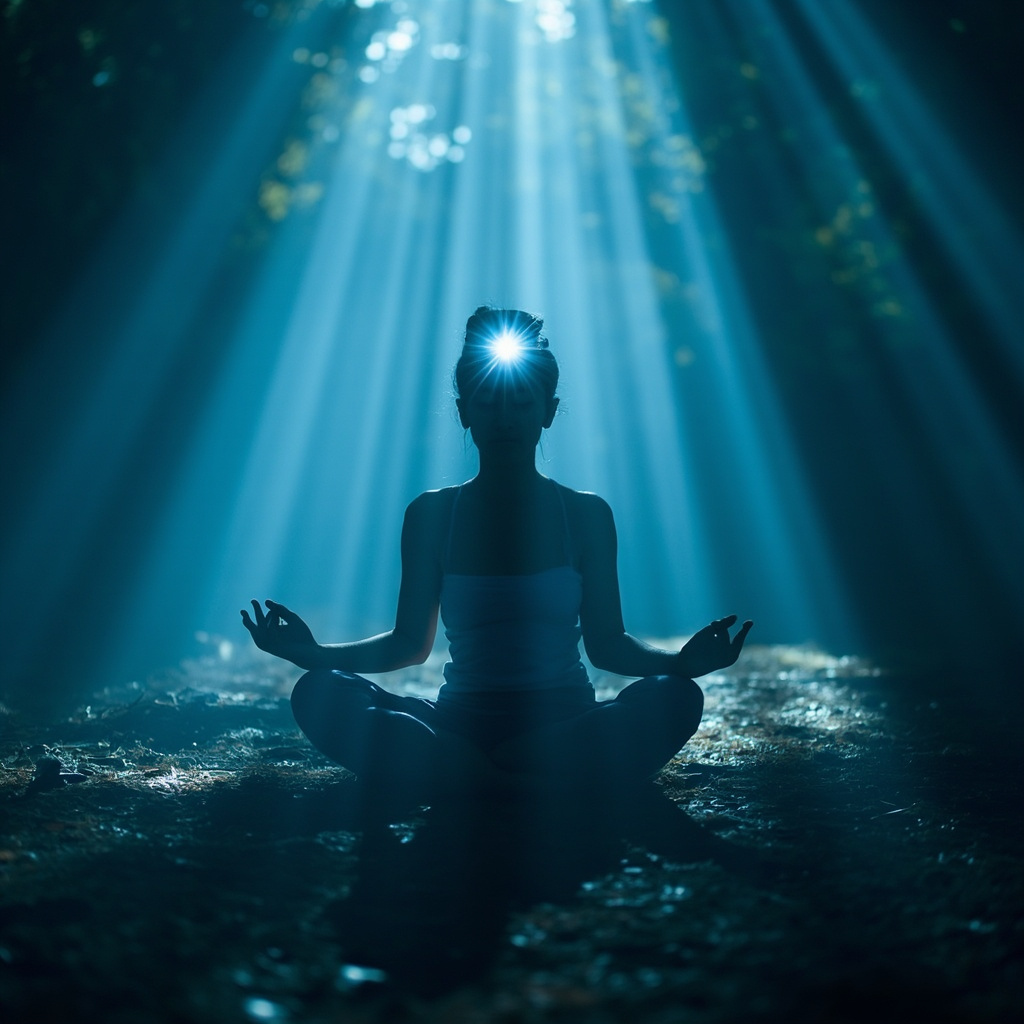
Your eyes serve as vital gateways, detecting light and transforming it into electrical signals that allow you to see the world clearly. Healthy eyes enable sharp vision, quick focus, and smooth coordination. When they struggle, you might notice blurry sight, trouble focusing, or fatigue after screen time.
For more on eyes in the body, see the glossary.
Physical Support for Eyes
The eyes sit in protective sockets at the front of your head. They rely on strong muscles for movement and clear lenses for focus. Daily strains like staring at devices or bright lights can lead to dryness, tension, or discomfort. Regular movement and rest help maintain their strength and flexibility.
Research highlights yoga's role here. A 2026 study found yoga-based eye exercises reduced visual discomfort in heavy computer users. Another review from 2025 showed benefits like lower eye pressure, better acuity, and less strain across various eye conditions.
Emotional Ties to Vision
Beyond the physical, eyes connect to deeper feelings. They symbolize clarity and perception in life. Trouble with vision often links to emotional blocks, like avoiding hard truths, fearing what lies ahead, or refusing to face reality. Stress or unresolved emotions can tighten eye muscles, mirroring inner tension.
Yoga addresses this by blending breath, movement, and awareness. Practices release held emotions, fostering a sense of openness and insight.
Key Yoga Exercises for Eyes
Incorporate these simple routines daily, especially after long screen sessions. Sit comfortably with a straight spine.
- Palming: Rub your palms together to warm them, then cup over closed eyes without pressing. Breathe deeply for 1-2 minutes. Feel warmth relax the eyes.
- Blinking: Blink rapidly for 20 seconds, then close eyes and rest. Repeat 3 times. This refreshes tear film and eases dryness.
- Eye Rotations: Look up, right, down, left in a circle. Do 10 times clockwise, then counterclockwise. Strengthens outer muscles.
- Clock Gaze: Imagine a clock face. Look at 12, hold 2 seconds, then 6, 3, 9. Move smoothly around. Improves focus shifts.
- Near-Far Focus: Hold thumb at arm's length, focus on tip, then a distant point. Alternate 10 times. Trains accommodation.
- Trataka (Gazing): Fix gaze on a candle flame at eye level, 2 feet away, for 1 minute. Blink if needed, then close eyes and visualize. Builds concentration.
Supportive Body Poses
These asanas boost circulation to the head and eyes:
- Child's Pose (Balasana): Kneel, fold forward, forehead to floor, arms extended. Hold 2 minutes. Relaxes face and invites rest.
- Downward-Facing Dog (Adho Mukha Svanasana): From plank, lift hips up and back. Pedal feet. 5 breaths. Inverts gently, refreshing eyes.
- Seated Forward Bend (Paschimottanasana): Sit, legs extended, fold over. 1 minute. Calms nervous system, eases eye tension.
- Shoulder Stand (Sarvangasana): Lie back, lift legs overhead, support back. 30 seconds if comfortable. Increases head blood flow.
Pair with Nadi Shodhana (alternate nostril breathing): Close right nostril, inhale left; close left, exhale right. 5 rounds. Balances brain hemispheres for clearer sight.
Eyes as a Guiding Resource
When strong, eyes support the whole body. They provide essential visual cues for balance, quick reactions, and safe movement. Emotionally, they sharpen awareness, helping you see life's path with confidence. In yoga, invite eyes as allies: notice how clear vision enhances poses and deepens presence.
Personalized Practice Example
If stress biomarkers show high tension and low relaxation, start with 10 minutes: Palming, blinking, child's pose, then Nadi Shodhana. Track how eyes feel lighter. For energy dips, add rotations and downward dog to invigorate. Over time, these build resilience, linking physical sight to inner clarity.
Commit to 10-15 minutes daily. Your eyes will thank you with brighter vision and calmer mind.
- 1. see-eci.com
- 2. chaitanyawellness.com
- 3. allclassical.org
- 4. healthline.com
- 5. open.spotify.com
- 6. youtube.com
- 7. news.med.miami.edu
- 8. youtube.com
- 9. ophthalmologyscience.org
- 10. play.google.com
- 11. timesofindia.indiatimes.com
- 12. maxapress.com
- 13. sciencedirect.com
- 14. righteye.com
- 15. pmc.ncbi.nlm.nih.gov
- 16. youtube.com
- 17. themindedinstitute.com
- 18. ndtv.com
- 19. sciencedirect.com
- 20. yogajournal.com
- 21. lenstore.co.uk
- 22. clinicaltrials.gov
- 23. asgeyehospital.com
- 24. link.springer.com
- 25. greenappleactive.com
- 26. goodrx.com
- 27. pmc.ncbi.nlm.nih.gov
- 28. youtube.com
- 29. profitcents.com
- 30. iovs.arvojournals.org
- 31. naturallyclearvision.com
- 32. nature.com
- 33. pmc.ncbi.nlm.nih.gov
- 34. artofliving.org
- 35. apps.apple.com
- 36. youtube.com
- 37. insighttimer.com
- 38. youtube.com
- 39. deltadentalct.com
Related posts
Glossary
- Energy and mind Structures > Focused Coherence; Focus
- Energy and mind Structures > Concentration
- Energy and mind Structures > Confidence
- Energy and mind Structures > Clock
- Energy and mind Structures > Relax
- Body zones > head
- Body zones > muscles
- Body zones > eyes
- Body zones > face
- TCM Recipes > Circulation: Boost Energy and Warm Your Extremities
- TCM Recipes > Brain Boost: Clear Fog, Improve Focus & Memory
- TCM Recipes > Boost Your Energy: A TCM Recipe for Fatigue Relief
- Energy and mind Structures > movement
- Energy and mind Structures > Head, perception
- Energy and mind Structures > Stress
- Binaural beats > Nervous System: A Program for Emotional Balance and Relaxation
- Stimuli > Lead
- Stimuli > Blood
see also...
- Energy and mind Structures > HRV
- Energy and mind Structures > Body zones > thoracic
- Energy and mind Structures > TCM Recipes > Tension Headache Relief: A Natural Approach to Ease Stress
- Testimonials > 61% Drop in Nausea and 58% in Headaches from Sound Therapy
- Binaural beats > Transmutation: A Sound Journey for Personal Change
- Binaural beats > Stimuli > Variolinum