


Spinal Discs: Yoga for Support & Flexibility
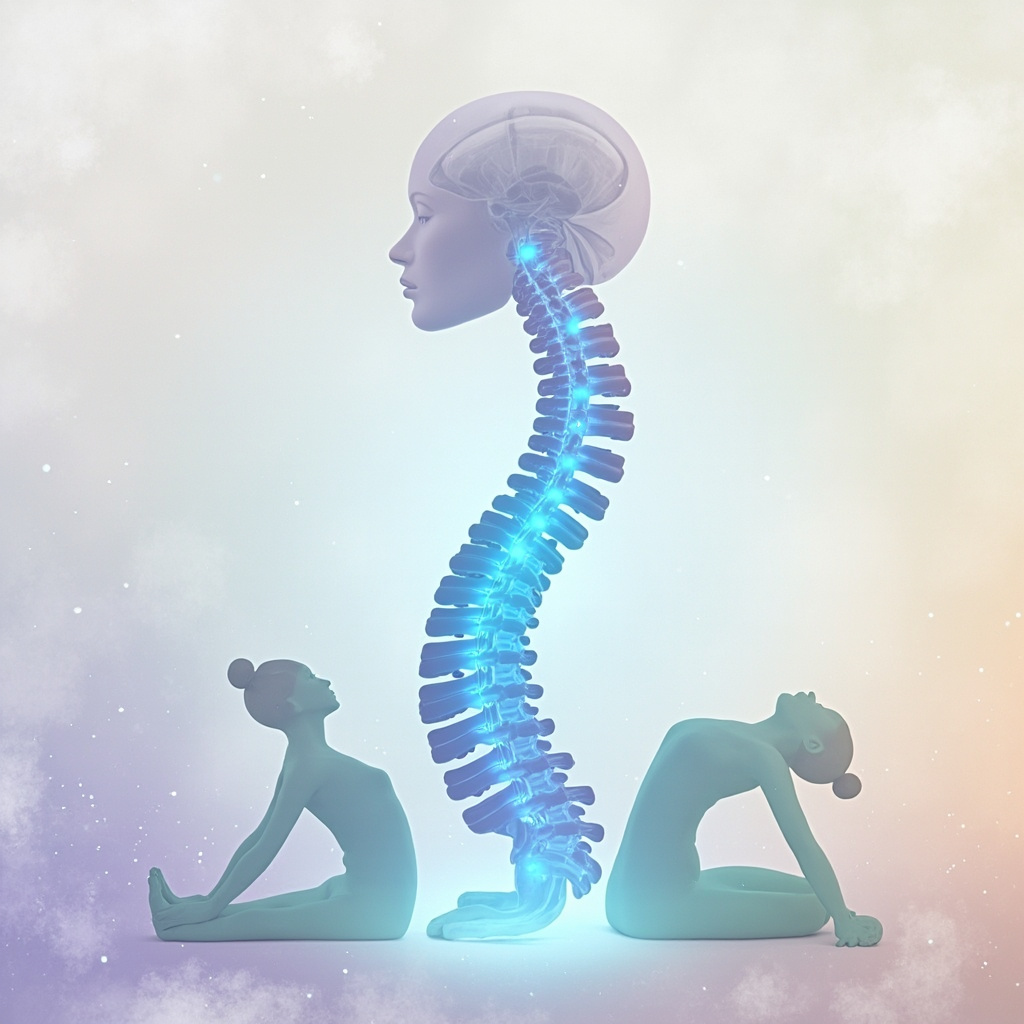
Your spine forms the core pillar of your body, enabling every twist, bend, and step. Nestled between the vertebrae are the spinal discs-soft, gel-like cushions that act as shock absorbers and flexible joints. Healthy discs keep your backbone aligned, allowing fluid motion without pain. For more details, see the spinal discs glossary.
How Spinal Discs Work
These vital structures have two main parts: a tough outer ring and a soft inner core. The outer layer protects the core, which hydrates and expands to handle pressure from walking, lifting, or even sitting too long. They distribute weight evenly across the spine, preventing bones from grinding together.
In daily life, spinal discs:
- Absorb impacts from jumps or bumpy roads.
- Enable forward bends, side stretches, and rotations.
- Support posture by maintaining natural curves in your neck, mid-back, and lower back.
Without them, movement would be rigid and painful, like driving without suspension.
Signs of Spinal Disc Imbalance
When discs lose hydration or bulge, problems arise. Common symptoms include:
- Sharp or aching back pain, especially after prolonged sitting or heavy lifting.
- Stiffness that limits bending or turning.
- Radiating discomfort into legs or arms, from nerve pressure (like sciatica).
- Headaches or fatigue from poor alignment.
Over time, this can lead to herniated discs (where the core pushes out) or degenerative disc disease (thinning cushions). Lifestyle factors like poor posture, excess weight, or repetitive strain speed this up.
The Emotional Connection
Spinal discs reflect more than physical stress-they mirror emotional loads. Feeling unsupported in life, carrying others' burdens, or resisting change can tighten these areas. The lower back often holds fears of financial insecurity, while the upper back stores resentment from unexpressed needs.
If you feel overburdened-like life's pressures are crushing you-disc issues may signal a need to release emotional weight. Conversely, strong discs foster a sense of inner stability, helping you adapt to challenges with grace.
Spinal Discs as a Resource
Healthy discs don't just protect your spine; they energize the whole body. They transfer supportive energy to nearby organs, muscles, and nerves, promoting:
- Better mobility and pain-free movement.
- Improved posture for organ function and breathing.
- Emotional lightness by unburdening stored stress.
By nurturing them, you build resilience, turning your spine into a reliable foundation for vitality.
Yoga Practices for Spinal Disc Health
As a yoga coach, I focus on gentle, targeted movements to hydrate, strengthen, and align spinal discs. These practices draw from biomarkers like posture tension and energy flow to personalize your routine. Start slow, 10-20 minutes daily.
Mobilizing Poses
- Cat-Cow Pose (Marjaryasana-Bitilasana): On all fours, alternate arching and rounding your back. This nourishes discs with rhythmic compression and release, improving hydration. Do 8-10 breaths.
- Child's Pose (Balasana): Kneel, fold forward, arms extended. Relaxes lower back discs, easing compression. Hold 1-2 minutes with deep breaths.
Strengthening Poses
- Bridge Pose (Setu Bandhasana): Lie on back, lift hips. Supports lumbar discs, building core stability. Hold 5 breaths, repeat 3 times.
- Locust Pose (Salabhasana): Lie prone, lift chest and legs. Strengthens back muscles around thoracic discs. Start with 3 breaths.
Twisting for Flexibility
- Seated Twist (Ardha Matsyendrasana): Sit, twist gently to each side. Detoxifies and realigns discs. Hold 30 seconds per side.
Breathing Techniques to Enhance Benefits
Breath is key to disc health- it creates inner pressure to rehydrate them.
- Belly Breathing: Lie down, hand on belly, inhale to expand it fully. Exhale slowly. 5 minutes daily oxygenates discs.
- Alternate Nostril Breathing (Nadi Shodhana): Close right nostril, inhale left; switch. Balances nervous system, reducing stress on spine. 5 rounds.
A Sample 15-Minute Sequence
- Belly breathing (3 min).
- Cat-Cow (2 min).
- Child's Pose (2 min).
- Bridge (3 min).
- Seated Twist (3 min each side).
- End in Corpse Pose (Savasana) for integration (2 min).
Track how you feel post-practice: less tension means progress.
Daily Tips for Lasting Support
- Stand tall: Imagine a string pulling your head up.
- Hydrate well: Water keeps discs plump.
- Lift smart: Bend knees, not waist.
- Walk mindfully: Engage core for shock absorption.
Regular yoga builds disc resilience, blending physical ease with emotional freedom. Listen to your body-small, consistent steps yield profound change. Your spine supports you; now support it back.
Related posts
Glossary
- Energy and mind Structures > Focused Coherence; Focus
- Energy and mind Structures > Water
- Body zones > head
- Body zones > bones
- Body zones > joints
- Body zones > spinal discs
- Body zones > muscles
- Body zones > nerves
- Body zones > Vertebrae
- Body zones > chest
- Energy and mind Structures > Organs
- TCM Recipes > Boost Your Energy: A TCM Recipe for Fatigue Relief
- Energy and mind Structures > vitality
- Energy and mind Structures > movement
- Energy and mind Structures > Stress
- Stimuli > Moon - Nasal Passage, Breathing, Taste
- Stimuli > Pain
- Stimuli > Shock
- Binaural beats > Nervous System: A Program for Emotional Balance and Relaxation
- Binaural beats > Binaural Beats: Enhance Relaxation and Emotional Balance
- Stimuli > Lead
see also...
- Energy and mind Structures > HRV
- Energy and mind Structures > Body zones > substantia nigra
- Energy and mind Structures > TCM Recipes > Tension Headache Relief: A Natural Approach to Ease Stress
- Testimonials > 61% Drop in Nausea and 58% in Headaches from Sound Therapy
- Binaural beats > Stimuli > Sacral, Zinc Etc
- Binaural beats > Binaural Beats: Enhance Relaxation and Emotional Balance