


Respiratory: Psyche's Breath Mirror
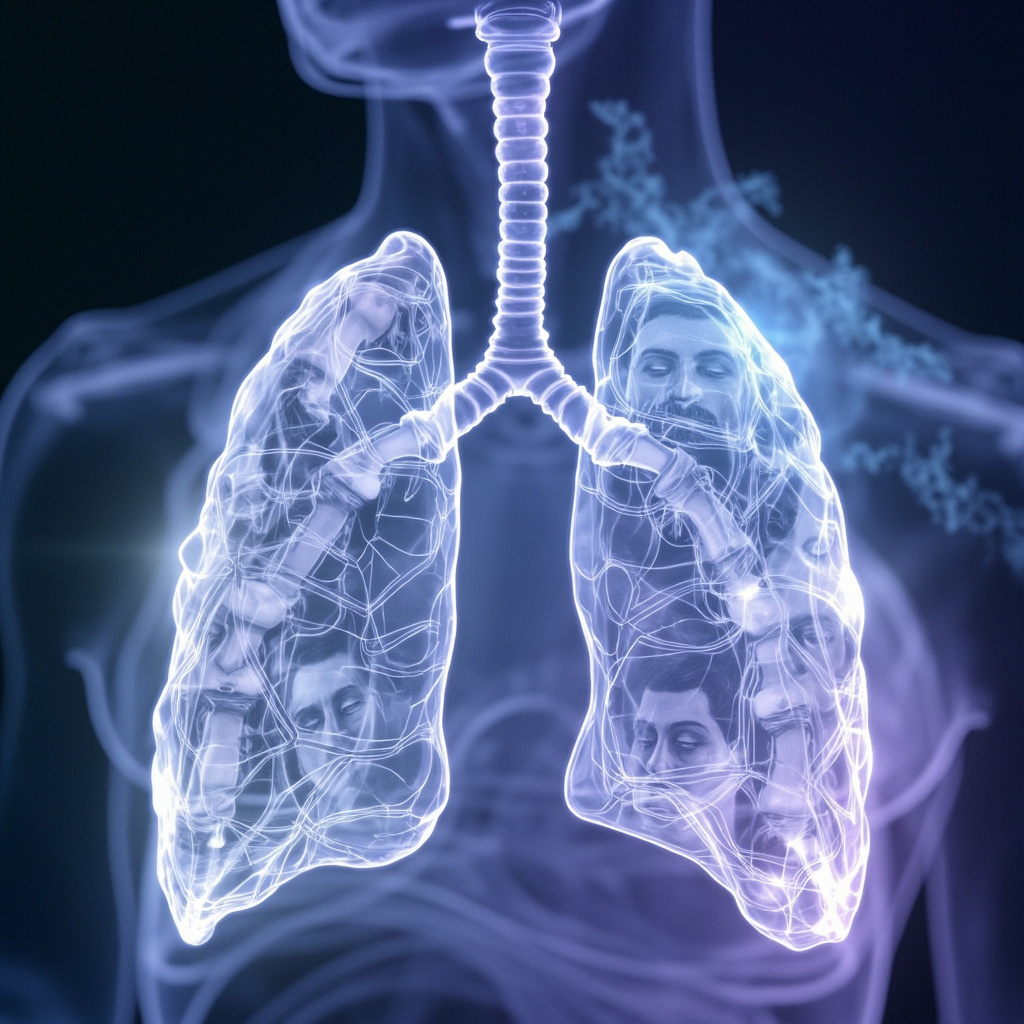
Breath: The Silent Language of the Inner World
The respiratory system sits at the heart of our chest, encompassing the lungs, trachea, and airways. Day in and day out, it performs a vital exchange: drawing fresh oxygen into the bloodstream while releasing carbon dioxide. When working smoothly, it fuels every cell with life-giving energy. Yet, when strained, it can signal deeper troubles, from shortness of breath to chronic conditions like asthma or infections.
In the language of the body, breath is more than mechanics. It is a mirror of the psyche, reflecting unconscious tensions and emotional currents. Jungian psychotherapy views such physical markers as windows into the soul's landscape.
Emotional Echoes in Every Inhale
Feelings of suffocation or being overwhelmed often find expression here. Imagine the chest tightening under fear of loss or death, a primal response echoing ancient survival instincts. Conflicts around family, territory, or feeling unsupported can manifest as shallow breaths or labored sighs. These are not random; they arise from unresolved inner dialogues, where the unconscious presses against conscious awareness.
Anxiety speeds the breath, fragmenting its rhythm. Grief deepens it into heavy sighs, releasing pent-up sorrow. In shadow work, we explore these patterns: Is the breath guarding against vulnerability? Or calling for emotional release? Biomarkers from electrical activity recordings illuminate these links, showing agitation or energy shifts tied to psyche's unrest. Respiratory glossary
Consider a client whose scans reveal restless respiratory markers alongside dreams of confined spaces. This points to repressed fears surfacing through the body, inviting individuation-the journey toward wholeness.
Breath as a Vital Ally
When harmonious, the respiratory system becomes a powerful resource. It supplies oxygen for cellular renewal, clears waste, and stabilizes the body's inner climate. This supports organs under stress, enhancing overall vitality. In therapy, we invoke breath as an anchor: visualizing it as a steady ally during active imagination exercises.
- Oxygenates tissues: Fuels metabolism and healing.
- Balances pH: Prevents acidity from building up.
- Calms the nervous system: Slow, deep breaths activate restful states.
Tracking improvements in these markers confirms inner shifts, as energy flows more freely.
Science Confirms the Mind-Body Dialogue
Recent research from the Weizmann Institute echoes this wisdom. Scientists tracked nasal airflow in daily life using wearable devices, uncovering respiratory fingerprints unique to each person-with 96.8% identification accuracy.
Key insights:
- Higher anxiety linked to shorter inhales and irregular pauses, especially in sleep.
- Patterns correlate with depression, body mass, and sleep cycles.
- Quote from researcher Noam Sobel: "We intuitively assume that how depressed or anxious you are changes the way you breathe. But it might be the other way around."
This bidirectional flow-psyche shaping breath, breath shaping psyche-opens doors to healing. Interventions mimicking healthy patterns could ease mental strain, aligning with breathwork's proven benefits for stress reduction.
Toward Deeper Harmony
To engage this mirror:
- Observe: Notice your breath during emotional peaks. Shallow? Rapid?
- Visualize: Picture breath as a gentle river washing through tensions.
- Integrate: Pair with dream recall-does breath appear symbolically?
- Track: Monitor changes alongside inner work for tangible progress.
In trauma integration, steadying breath grounds fragmented experiences. For dream work, it amplifies unconscious insights. As biomarkers shift, so does the psyche, moving toward balance.
Breath invites us into the unconscious, where healing awaits. Listen closely; your next inhale may hold the key.
- 1. airwayhealth.org
- 2. nature.com
- 3. pulmonologyadvisor.com
- 4. facebook.com
- 5. frontiersin.org
- 6. youtube.com
- 7. emjreviews.com
- 8. sciencedirect.com
- 9. medium.com
- 10. news-medical.net
- 11. psyche.co
- 12. pmc.ncbi.nlm.nih.gov
- 13. pmc.ncbi.nlm.nih.gov
- 14. jccpractice.com
- 15. pmc.ncbi.nlm.nih.gov
- 16. open.spotify.com
- 17. pmc.ncbi.nlm.nih.gov
- 18. youtube.com
- 19. youtube.com
- 20. mdpi.com
- 21. frontiersin.org
- 22. apria.com
- 23. pmc.ncbi.nlm.nih.gov
- 24. nature.com
- 25. lung.org
- 26. youtube.com
- 27. youtube.com
- 28. sciencedirect.com
- 29. youtube.com
- 30. 4dmedical.com
- 31. pmc.ncbi.nlm.nih.gov
- 32. lidsen.com
- 33. respiratory-therapy.com
- 34. euforea.org
- 35. sciencedirect.com
- 36. psychologytoday.com
- 37. frontiersin.org
- 38. academic.oup.com
- 39. kingshealthpartners.org
Related posts
Glossary
- Energy and mind Structures > oxygen
- Energy and mind Structures > carbon
- Energy and mind Structures > Mental
- Body zones > respiratory
- Body zones > cellular
- Body zones > chest
- Energy and mind Structures > Organs
- TCM Recipes > Breathe Easy: Relief for Asthma Symptoms
- TCM Recipes > Heart Health: Remedies for Anxiety and Palpitations
- TCM Recipes > Stress Relief: A Simple Guide to Reducing Tension
- Energy and mind Structures > sleep
- Energy and mind Structures > vitality
- Energy and mind Structures > Stress
- Stimuli > GAPDH, Metabolism