


Clostridium botulinum V: Fear to Resilience
What is Clostridium botulinum V?
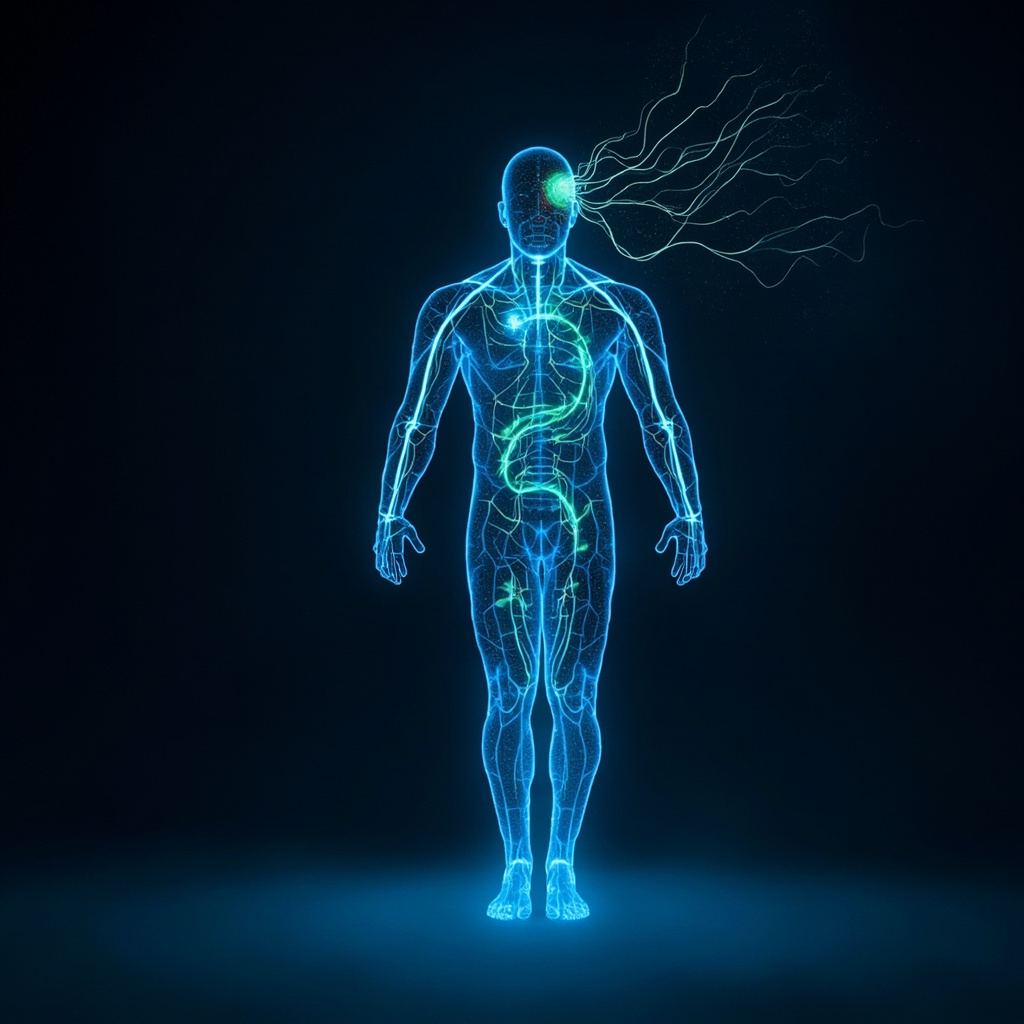
Clostridium botulinum V is a type of bacterium that lives in low-oxygen environments, like canned foods if not properly prepared. It produces a powerful neurotoxin that blocks signals between nerves and muscles. This can lead to botulism, a rare but serious condition causing muscle weakness and paralysis. The body detects signs of this bacterium through its electrical activity, which shows up as a biomarker in tools like BioCoherence. For more details, see the glossary entry.
In healthy amounts, this biomarker reflects the balance of your nervous system. When out of sync, it signals potential stress on nerves and muscles.
Emotional Ties to Fear and Anxiety
This bacterium often stirs deep fear and anxiety because of its link to botulism. People worry about food safety, sudden paralysis, or vulnerability to illness. Survivors report lasting effects like fatigue, weakness, and emotional strain. Studies on outbreaks show families facing helplessness and heightened worry long after recovery.
These feelings tie into broader psychological patterns. High biomarker activity may mirror health anxiety, where everyday risks feel overwhelming. It highlights a need for safety and control, common in stress responses. Heart rate variability (HRV), a measure of nervous system flexibility, often drops here, signaling poor emotional regulation.
- Fear of paralysis: Triggers urgency and avoidance.
- Vulnerability: Feels like loss of bodily control.
- Hygiene focus: Heightens awareness but can become obsessive.
A Surprising Turn: Therapeutic Power
In controlled, tiny doses, the same toxin from Clostridium botulinum-known as botulinum toxin A or Botox-treats medical issues. Recent research shows it helps depression and anxiety too.
Studies find injecting Botox into frown muscles (between the eyebrows) reduces negative emotions. Why? The facial feedback theory: Frowning reinforces sadness; relaxing those muscles breaks the cycle. Brain scans show less activity in the amygdala, the fear center.
Key findings:
- In trials, depression scores dropped 45-55% after treatment.
- Anxiety improved in social phobia, with effects starting faster than some pills.
- Benefits last 3-6 months, with few side effects like mild headaches.
Over 400 patients in reviews confirm safety and mood lifts. This flips the narrative: from threat to tool for emotional balance.
Balancing the Biomarker for Well-Being
In BioCoherence, we assess this biomarker's energy, agitation, and links. Imbalances point to nervous system strain needing support.
Use it as a resource: It teaches managing health fears, building resilience, and minding food safety without panic. Target its main frequencies to calm nerves, support muscle function, and steady emotions.
When a priority, guided sessions direct attention to release tension. Daily practices shift vulnerability to strength.
Psychologist's Practical Guide
Draw from HRV and stress biomarkers for progress.
Steps to emotional resilience:
- Track symptoms: Note anxiety spikes around meals or health news.
- Mindfulness: Breathe deeply, visualize safe, strong nerves.
- HRV exercises: Use apps for biofeedback to boost flexibility.
- CBT techniques: Challenge fear thoughts-like 'rare risks don't define safety.'
- Relaxation: Progressive muscle release eases paralysis worries.
- Lifestyle: Proper canning, fresh foods reduce real risks.
Monitor changes: Better HRV means calmer responses. Over time, therapy plus biomarker insights track real gains.
This bacterium reminds us: Threats teach protection. Embrace its lessons for a resilient mind and body.
- 1. pmc.ncbi.nlm.nih.gov
- 2. nationallaserinstitute.com
- 3. researchgate.net
- 4. clinicaltrials.gov
- 5. health.state.mn.us
- 6. pubmed.ncbi.nlm.nih.gov
- 7. preprints.org
- 8. kadimanp.com
- 9. youtube.com
- 10. health.ucsd.edu
- 11. principiumpsychiatry.com
- 12. saberplasticsurgery.com
- 13. academic.oup.com
- 14. marlerblog.com
- 15. pmc.ncbi.nlm.nih.gov
- 16. medicalxpress.com
- 17. pmc.ncbi.nlm.nih.gov
- 18. frontiersin.org
- 19. youtube.com
- 20. science.org
- 21. principiumpsychiatry.com
- 22. mindstreamintegrative.com
- 23. medicalxpress.com
- 24. nature.com
- 25. medcentral.com
- 26. cdc.gov
- 27. onlinelibrary.wiley.com
- 28. mdpi.com
- 29. sciencedirect.com
- 30. pmc.ncbi.nlm.nih.gov
- 31. sciencedirect.com
- 32. mhh.de
- 33. mdpi.com
- 34. withpower.com
- 35. mdpi.com
- 36. marlerclark.com
- 37. brainandspinalcord.org
- 38. facebook.com
- 39. facebook.com
- 40. jstor.org
- 41. pmc.ncbi.nlm.nih.gov
- 42. mdpi.com
- 43. parade.com
- 44. pmc.ncbi.nlm.nih.gov
- 45. managedhealthcareexecutive.com
- 46. pmc.ncbi.nlm.nih.gov
- 47. camasmedspa.com
- 48. nationalgeographic.com
- 49. aestheticappointment.co.za
- 50. sciencefocus.com
- 51. sciencedirect.com
- 52. researchgate.net
- 53. nature.com
- 54. cpn.or.kr
- 55. youtube.com
- 56. mdpi.com
- 57. instagram.com
- 58. emedicine.medscape.com
- 59. frontiersin.org
- 60. healisthera.com
- 61. semanticscholar.org
- 62. health.ucsd.edu
- 63. pubmed.ncbi.nlm.nih.gov
- 64. labroots.com
- 65. pmc.ncbi.nlm.nih.gov
Related posts
Glossary
- Energy and mind Structures > Regulation
- Energy and mind Structures > Clostridium botulinum V
- Body zones > muscles
- Body zones > nerves
- TCM Recipes > Brain Boost: Clear Fog, Improve Focus & Memory
- TCM Recipes > Herbal Relief: A TCM Approach to Lift Your Mood
- TCM Recipes > Boost Your Energy: A TCM Recipe for Fatigue Relief
- Energy and mind Structures > Stress
- Stimuli > DMD, Muscle Function
- Stimuli > Clostridium botulinum
- Binaural beats > Paralysis Recovery: Healing Through Sound Therapy
- Binaural beats > Nervous System: A Program for Emotional Balance and Relaxation
- Stimuli > Lead
see also...
- Energy and mind Structures > HRV
- Energy and mind Structures > Body zones > plasma
- Energy and mind Structures > TCM Recipes > Tension Headache Relief: A Natural Approach to Ease Stress
- Testimonials > 61% Drop in Nausea and 58% in Headaches from Sound Therapy
- Binaural beats > Stimuli > Sacral, Zinc Etc
- Binaural beats > Transmutation: A Sound Journey for Personal Change