


Peripheral Nerves: Emotions and Body Link
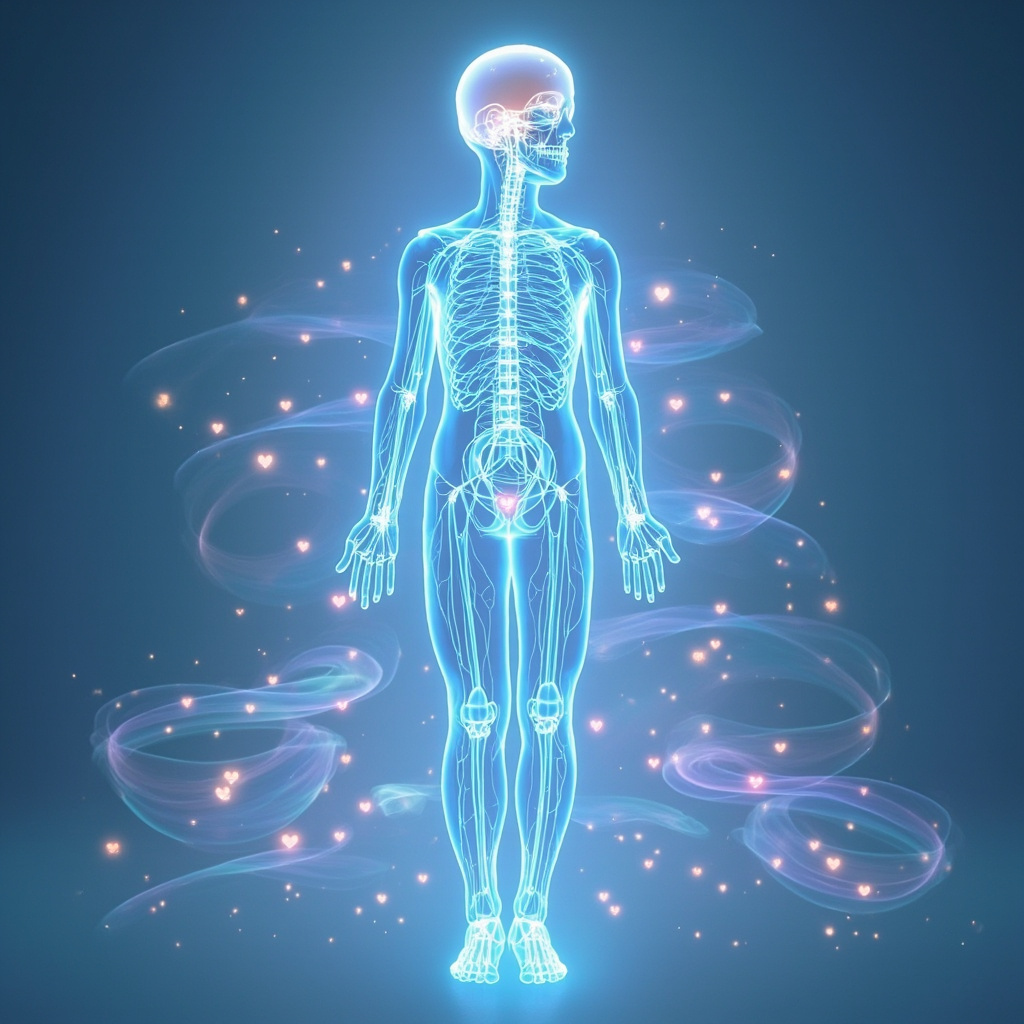
Your body relies on a vast network of nerves to sense the world, move, and respond to daily life. Peripheral nerves form the outer branches of this system, reaching every limb, organ, and skin surface. They carry messages from your brain and spinal cord to the rest of you, making touch, balance, and automatic functions possible. When healthy, they keep you connected to your surroundings. For more details, see the glossary on peripheral nerves.
Recognizing Imbalance in Peripheral Nerves
Imbalances in these nerves often start subtly. Common signs include:
- Numbness or tingling in hands, feet, or limbs, like pins and needles.
- Pain that burns, stabs, or aches, especially at night.
- Muscle weakness, making it hard to grip objects or walk steadily.
- Sensitivity changes, where light touch feels painful or temperature sense fades.
These symptoms can limit daily tasks, from typing on a keyboard to enjoying a walk. Over time, they affect sleep, work, and hobbies, creating a cycle of frustration.
The Deep Emotional Ties
Peripheral nerves do more than transmit physical signals; they mirror your inner emotional world. Feelings of disconnection or isolation from others often align with nerve issues. When you feel unsupported or alone, stress builds. This emotional strain can heighten nerve sensitivity, leading to those nagging tingles or pains.
Research backs this link. A 2025 study in Molecular Psychiatry explores how chronic stress triggers inflammation that harms peripheral nerves and organs. It disrupts gut-brain signals via the vagus nerve, worsening anxiety and low mood. Symptoms like fatigue and hopelessness emerge as the body stays in constant alert mode. Another 2024 study found paresthesia-that odd tingling from nerve compression-ties directly to higher anxiety and lower wellbeing, even beyond pain itself.
In my work as a psychologist, I see this often. Clients with high stress biomarkers or low heart rate variability (HRV) report nerve discomfort alongside emotional lows. HRV, a measure of heart rhythm flexibility, drops under stress, signaling poor emotional regulation. Agitation or poor focus amplifies the problem, creating a feedback loop where physical symptoms feed worry, and worry worsens nerves.
Peripheral Nerves as Your Ally
When balanced, peripheral nerves shine as a resource. They enable smooth communication across the body:
- Coordinating muscles for steady movement.
- Alerting organs to needs, like adjusting blood flow during exercise.
- Supporting senses for full awareness of your environment.
This coordination fosters resilience. Healthy nerves help organs work together, boosting overall vitality and responsiveness. In therapy, we tap this by building emotional security, which strengthens nerve function and eases symptoms.
Steps to Nurture Nerve Health
Supporting your peripheral nerves starts with mind-body practices:
- Build connections: Spend time with supportive people. Social bonds reduce isolation stress, calming nerve signals.
- Practice mindfulness: Short daily sessions lower agitation. Focus on breath to improve HRV and nerve calm.
- Move gently: Walking or yoga enhances circulation without overload.
- Track progress: Note symptom changes alongside mood. Tools measuring stress responses help see gains.
- Rest deeply: Quality sleep repairs nerves; aim for routines that unwind the fight-or-flight response.
Consider a client with tingling hands and rising anxiety. We reviewed her stress patterns and HRV. Through grounding exercises and cognitive strategies, her nerve symptoms eased as emotional balance returned. Biomarkers improved, confirming the shift.
Why This Matters for Well-Being
Peripheral nerves bridge your inner emotions and outer actions. Neglect them, and disconnection grows-physically and emotionally. Address the roots with awareness and care, and you reclaim coordination, clarity, and joy. Small steps today build lasting resilience, turning potential weakness into strength.
This understanding empowers personal growth. By honoring these nerves, you foster a body-mind harmony that supports thriving in all areas.
- 1. mountsinai.org
- 2. pmc.ncbi.nlm.nih.gov
- 3. oregonmedicalcenters.com
- 4. medresearch.umich.edu
- 5. lonestarneurology.net
- 6. baltimoreperipheralnervepain.com
- 7. pmc.ncbi.nlm.nih.gov
- 8. sciencedirect.com
- 9. ninds.nih.gov
- 10. neuroscienceresearchinstitute.com
- 11. frontiersin.org
- 12. sciencedirect.com
- 13. apa.org
- 14. nature.com
- 15. foundationforpn.org
- 16. centromedicoabc.com
- 17. regenerativeneuropathy.com
- 18. orlandohealth.com
- 19. pubmed.ncbi.nlm.nih.gov
- 20. pmc.ncbi.nlm.nih.gov
- 21. scitechnol.com
- 22. nsuworks.nova.edu
- 23. nerverenewalnow.com
- 24. pmc.ncbi.nlm.nih.gov
- 25. sepainandspinecare.com
- 26. pmc.ncbi.nlm.nih.gov
- 27. douglascounty-ne.gov
- 28. lonestarneurology.net
- 29. sanitycenter.org
- 30. foundationforpn.org
- 31. jpbs.hapres.com
- 32. highlandtherapy.com
Related posts
Glossary
- Energy and mind Structures > Focused Coherence; Focus
- Energy and mind Structures > Regulation
- Energy and mind Structures > Communication
- Energy and mind Structures > Security
- Energy and mind Structures > Hopelessness
- Body zones > muscles
- Body zones > nerves
- Body zones > peripheral
- Body zones > senses
- Energy and mind Structures > Organs
- TCM Recipes > Emotional Balance: A TCM Guide to Calm Anxiety & Insomnia
- TCM Recipes > Skin Health: Remedies for Acne and Eczema
- TCM Recipes > Circulation: Boost Energy and Warm Your Extremities
- TCM Recipes > Heart Health: Remedies for Anxiety and Palpitations
- TCM Recipes > Brain Boost: Clear Fog, Improve Focus & Memory
- TCM Recipes > Boost Your Energy: A TCM Recipe for Fatigue Relief
- Energy and mind Structures > sleep
- Energy and mind Structures > vitality
- Energy and mind Structures > movement
- Energy and mind Structures > Limbs, skin
- Energy and mind Structures > Stress
- Stimuli > IGF1, Growth
- Stimuli > Pain
- Stimuli > Burns
- Binaural beats > Inflammation Relief: Heal Faster with Binaural Beats
- Binaural beats > Spinal Cord Support: Enhance Wellness and Emotional Balance
- Stimuli > Harmony
- Stimuli > Blood
see also...
- Energy and mind Structures > HRV
- Energy and mind Structures > Body zones > senses
- Energy and mind Structures > TCM Recipes > Tension Headache Relief: A Natural Approach to Ease Stress
- Testimonials > 61% Drop in Nausea and 58% in Headaches from Sound Therapy
- Binaural beats > Stimuli > Variolinum
- Binaural beats > Spinal Cord Support: Enhance Wellness and Emotional Balance