


Mediastinum: Free Breath from Emotional Pressure
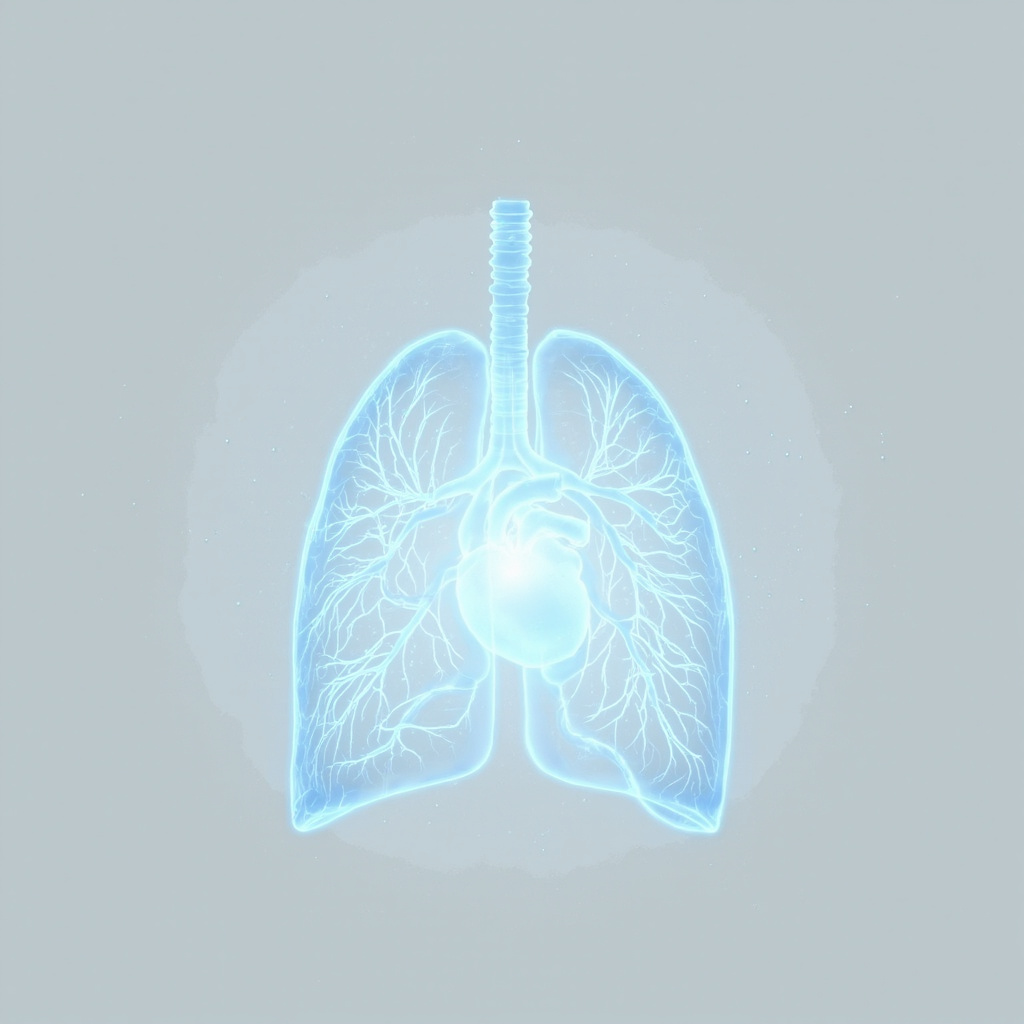
The mediastinum is the central area in your chest, nestled between the lungs. This vital space houses the heart, windpipe, food pipe, and major blood vessels. It acts like a protective hub, keeping these organs in place and allowing them to work smoothly together.
When everything flows well here, you breathe deeply, your heart pumps steadily, and nutrients travel efficiently through your body. But if pressure builds- from illness, tension, or hidden strain-it can tighten your chest, making every breath feel labored.
Physical Role of the Mediastinum
Think of the mediastinum as the chest's command center:
- Heart protection: Shields your heart for steady circulation.
- Airway support: Keeps the trachea open for clear breathing.
- Vessel pathways: Guides blood vessels to fuel your body.
- Swallowing aid: Helps the esophagus move food without blockages.
Issues like swelling, growths, or infections can disrupt this balance. You might notice shortness of breath, chest pain, or trouble swallowing. These signals often point to deeper strain in the respiratory and circulatory systems.
Emotional Ties to the Mediastinum
Our bodies and emotions are deeply connected. The mediastinum, linked to the lungs, often reflects feelings of suffocation or overwhelm. Imagine carrying too many responsibilities, unresolved arguments, or situations that feel inescapable-like being trapped without room to breathe.
Intense stress can manifest here as tightness in the chest. You might feel:
- Pressure from daily demands crushing your spirit.
- Emotional conflicts blocking your inner flow.
- A longing for freedom clashing with real-life constraints.
These sensations aren't just 'in your head.' They show up in your body's electrical signals, highlighting where emotional weight presses on physical space.
Signs of Imbalance
Pay attention if you experience:
- Frequent shortness of breath, even at rest.
- Chest discomfort that worsens with stress.
- Difficulty swallowing or a lump in the throat.
- Fatigue from poor oxygen and circulation.
These could stem from physical causes, but emotional overload often plays a role. Chronic anxiety or feeling 'stuck' amplifies the strain, creating a cycle of tension.
Using the Mediastinum as a Resource
A balanced mediastinum becomes your ally for emotional regulation. It promotes clear communication between heart and lungs, easing respiratory flow and steadying your heartbeat. This supports overall calm, reducing feelings of being overwhelmed.
When healthy, it helps you:
- Breathe freely, releasing pent-up stress.
- Maintain steady energy for daily life.
- Foster resilience against emotional pressures.
In psychological terms, tuning into this area builds stress resilience. It mirrors heart rate variability (HRV), a key marker of how well you handle life's ups and downs.
Practical Ways to Support Your Mediastinum
As a psychologist focused on mind-body links, I recommend simple steps rooted in emotional health:
Breathing Exercises
Deep belly breaths expand the chest, signaling safety to your nervous system. Try 4-7-8 breathing: inhale for 4 counts, hold for 7, exhale for 8. This lowers agitation and boosts HRV.
Mindfulness for Space
Visualize your mediastinum as a open, light-filled chamber. During meditation, affirm: "I create space for my breath and emotions." This addresses feelings of entrapment.
Grounding Techniques
When overwhelmed, place hands on your chest. Feel the rise and fall. Journal about 'trapped' situations-what one small step frees you?
Track Your Progress
Notice patterns: Does chest tightness rise with stress? Use relaxation practices like progressive muscle release to unwind tension. Over time, these shift biomarkers toward balance.
Broader Mind-Body Insights
The mediastinum reminds us that emotional freedom starts with physical ease. Unresolved stress constricts this space, but awareness opens it. By nurturing it, you enhance focus, reduce anxiety, and build lasting calm.
Explore your inner signals. A balanced mediastinum invites deeper breaths-and deeper peace. For more, see the glossary: /body/221-mediastinum.
(Word count: 612)
Related posts
Glossary
- Energy and mind Structures > oxygen
- Energy and mind Structures > Focused Coherence; Focus
- Energy and mind Structures > Communication
- Energy and mind Structures > Peace
- Body zones > head
- Body zones > lungs
- Body zones > mediastinum
- Body zones > respiratory
- Body zones > throat
- Body zones > trachea
- Body zones > chest
- Energy and mind Structures > Organs
- TCM Recipes > Circulation: Boost Energy and Warm Your Extremities
- TCM Recipes > Heart Health: Remedies for Anxiety and Palpitations
- TCM Recipes > Boost Your Energy: A TCM Recipe for Fatigue Relief
- Energy and mind Structures > Theta; 4.31-6.97 Hz. Light sleep, meditation.
- Energy and mind Structures > Stress
- Stimuli > Moon - Nasal Passage, Breathing, Taste
- Stimuli > Pain
- Binaural beats > Nervous System: A Program for Emotional Balance and Relaxation
- Binaural beats > Blood Vessels & Arteries: Boost Circulation & Well-Being
- Stimuli > Blood
see also...
- Energy and mind Structures > HRV
- Energy and mind Structures > Body zones > substantia nigra
- Energy and mind Structures > TCM Recipes > Tension Headache Relief: A Natural Approach to Ease Stress
- Testimonials > 61% Drop in Nausea and 58% in Headaches from Sound Therapy
- Binaural beats > Stimuli > Variolinum
- Binaural beats > Blood Vessels & Arteries: Boost Circulation & Well-Being