


Adrenal Glands: Your Stress and Emotion Hub
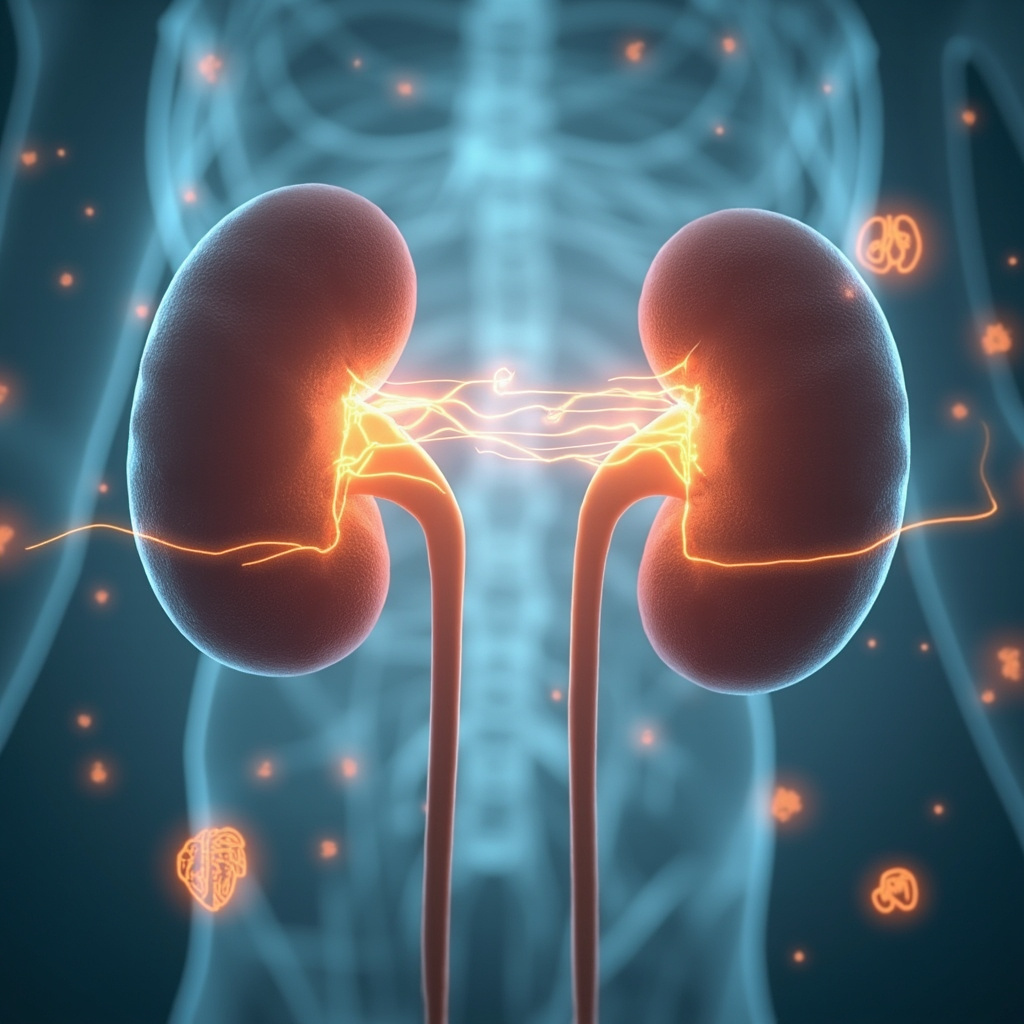
Where Are the Adrenal Glands?
The adrenal glands are small, triangle-shaped organs that sit on top of each kidney, like hats. They are part of your endocrine system, which releases hormones directly into the blood to influence many body functions. For more details, see the glossary on adrenal glands.
These glands have two main parts: the outer cortex and the inner medulla. Each produces different hormones that help your body respond to daily challenges.
Key Hormones from the Adrenals
- Cortisol: Often called the stress hormone, it controls blood sugar, blood pressure, inflammation, and your immune response. It rises in the morning to wake you up and helps manage energy during tough times.
- Adrenaline (epinephrine) and noradrenaline: These create the 'fight-or-flight' rush, speeding up your heart, sharpening focus, and preparing muscles for action.
- Aldosterone: Balances salt and water to keep blood pressure steady.
- DHEA and androgens: Support sex hormones and overall vitality.
When balanced, these hormones keep you energized, resilient, and emotionally steady.
The Stress Response in Action
Imagine facing a deadline or a sudden scare. Your brain signals the adrenals to release cortisol and adrenaline. Heart rate increases, breathing quickens, and senses heighten. This is adaptive for short bursts-it helps you act fast.
Heart rate variability (HRV) is a key sign here. Higher HRV shows good stress resilience: your body switches easily between action and rest. Low HRV signals ongoing strain, linking to emotional ups and downs.
Chronic stress keeps the adrenals overworking. Constant high cortisol disrupts sleep, mood, and focus, wearing down emotional regulation.
Emotional Ties to Adrenal Function
As a psychologist, I see how adrenals bridge body and mind. Feelings of fear, anxiety, or insecurity often tie to adrenal signals. Overwhelm from responsibilities or threats can strain these glands, creating a cycle: stress worsens emotions, emotions fuel stress.
For example:
- High cortisol heightens alertness, leading to restlessness or worry.
- Prolonged activation contributes to depression, poor concentration, or irritability.
- Imbalances mimic or amplify trauma responses, reducing calm.
Biomarkers from electrical activity recordings reveal this. Agitation levels show hyperactivity; energy patterns highlight depletion. Tracking these offers objective insights into psychological states.
Signs Your Adrenals Need Attention
Watch for:
- Persistent fatigue, even after rest.
- Mood swings, anxiety, or feeling overwhelmed.
- Sleep issues, like trouble falling asleep.
- Cravings for salt or sugar.
- Weight changes or muscle tension.
These overlap with Addison's disease (low hormones: fatigue, low pressure) or Cushing's (high cortisol: weight gain, high pressure), but most cases stem from lifestyle stress.
Adrenals as a Valuable Resource
When healthy, adrenals support the whole body:
- Boost metabolism for steady energy.
- Strengthen immunity against illness.
- Stabilize blood pressure for calm circulation.
- Aid stress management, enhancing resilience.
They help organs like the heart and brain by providing hormone balance, fostering overall harmony.
Nurturing Adrenal and Emotional Health
Support starts with awareness. As biomarkers guide, practical steps include:
- Mindfulness and breathing: Lowers cortisol, boosts HRV.
- Regular sleep: Aligns natural cortisol rhythms.
- Balanced meals: Stabilizes blood sugar.
- Gentle exercise: Builds resilience without overload.
- Therapy techniques: Like CBT or grounding, to process emotional stressors.
Tracking progress via biomarkers shows real change: rising HRV, steadier emotions. This mind-body approach empowers psychological well-being.
Your adrenals are more than stress managers-they hold keys to emotional strength. Tune in, and feel the balance.
- 1. eastvalleynd.com
- 2. irishtimes.com
- 3. revolutionhealth.org
- 4. verywellmind.com
- 5. mygrandstrandhealth.com
- 6. nature.com
- 7. sciencedirect.com
- 8. news.yale.edu
- 9. salussaunas.com
- 10. pmc.ncbi.nlm.nih.gov
- 11. link.springer.com
- 12. epublications.marquette.edu
- 13. organiclivingandwellnessllc.com
- 14. facebook.com
- 15. sciencedirect.com
- 16. mayoclinic.org
- 17. pmc.ncbi.nlm.nih.gov
- 18. northamericanherbandspice.com
- 19. medium.com
- 20. thebalance.clinic
- 21. health.harvard.edu
- 22. neuroendocrinology.org
- 23. apnews.com
- 24. sciencedirect.com
- 25. pmc.ncbi.nlm.nih.gov
- 26. addisonsdisease.org.uk
- 27. endocrine.org
- 28. pmc.ncbi.nlm.nih.gov
- 29. sciencedirect.com
- 30. greenroadpsychology.com.au
- 31. health.harvard.edu
- 32. pmc.ncbi.nlm.nih.gov
- 33. nature.com
- 34. lamclinic.com
- 35. frontiersin.org
- 36. endocrinology.org
- 37. medicalxpress.com
- 38. mdanderson.org
- 39. pmc.ncbi.nlm.nih.gov
- 40. eurekalert.org
- 41. pmc.ncbi.nlm.nih.gov
- 42. linkedin.com
- 43. remedysnutrition.com
- 44. psychologytoday.com
- 45. sciencedirect.com
- 46. theguardian.com
- 47. rhmgyn.com
- 48. pmc.ncbi.nlm.nih.gov
Related posts
Glossary
- Energy and mind Structures > Focused Coherence; Focus
- Energy and mind Structures > Regulation
- Energy and mind Structures > Water
- Energy and mind Structures > Concentration
- Body zones > glands
- Body zones > adrenal
- Body zones > hormones
- Body zones > muscles
- Body zones > senses
- Energy and mind Structures > Organs
- TCM Recipes > Circulation: Boost Energy and Warm Your Extremities
- TCM Recipes > Kidney Health: Boost Energy and Relieve Back Pain
- TCM Recipes > Heart Health: Remedies for Anxiety and Palpitations
- TCM Recipes > Brain Boost: Clear Fog, Improve Focus & Memory
- TCM Recipes > Adrenal Support: Remedies for Fatigue and Stress
- TCM Recipes > Muscle Relief: A Simple Guide to Alleviating Tension
- TCM Recipes > Boost Your Energy: A TCM Recipe for Fatigue Relief
- Energy and mind Structures > sleep
- Energy and mind Structures > vitality
- Energy and mind Structures > blood pressure
- Energy and mind Structures > Stress
- Stimuli > Cortisol
- Stimuli > Moon - Nasal Passage, Breathing, Taste
- Binaural beats > Inflammation Relief: Heal Faster with Binaural Beats
- Binaural beats > Trauma Healing: Binaural Beats for Emotional Balance
- Stimuli > Harmony
- Stimuli > Blood
- Stimuli > TNF, Immune Response
see also...
- Energy and mind Structures > HRV
- Energy and mind Structures > Body zones > senses
- Energy and mind Structures > TCM Recipes > Tension Headache Relief: A Natural Approach to Ease Stress
- Testimonials > 61% Drop in Nausea and 58% in Headaches from Sound Therapy
- Binaural beats > Stimuli > TNF, Immune Response
- Binaural beats > Trauma Healing: Binaural Beats for Emotional Balance