


Brain: Center for Emotions and Control
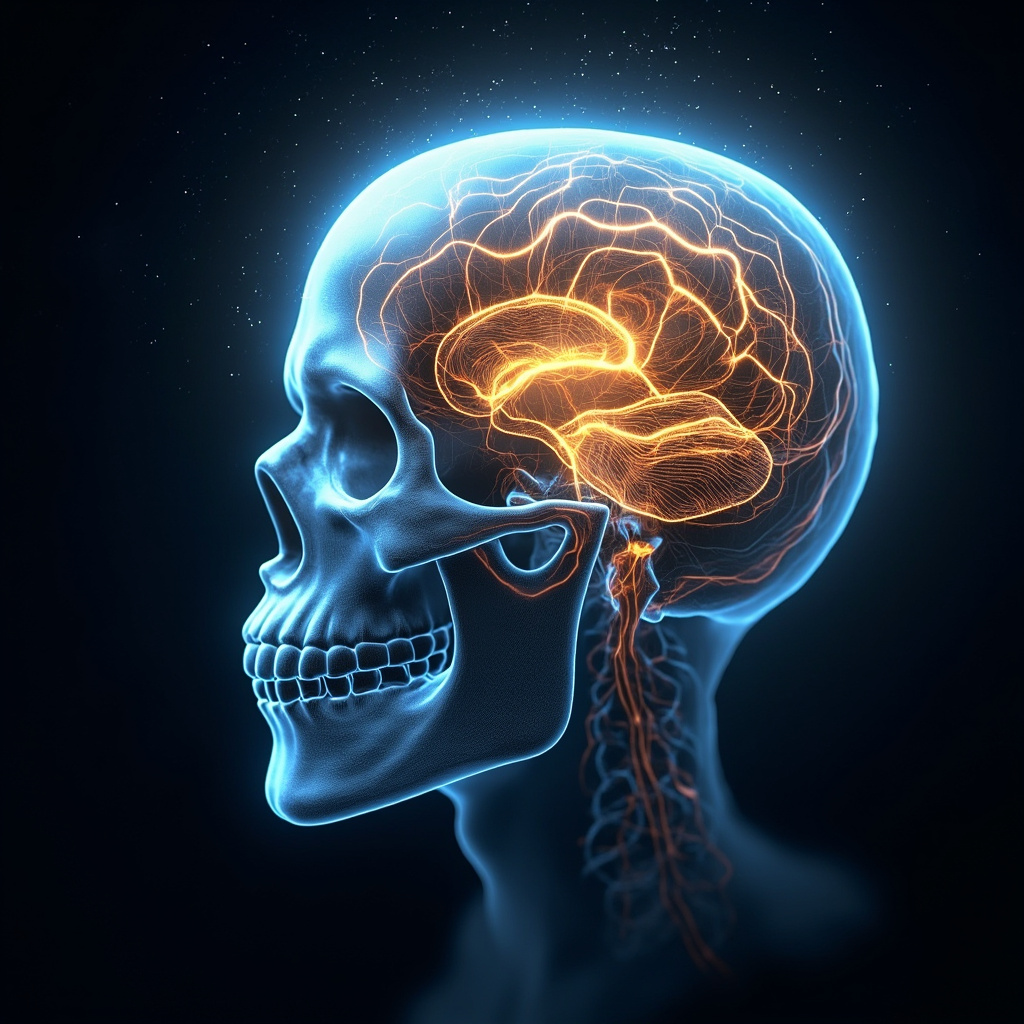
Understanding the Brain's Core Functions
The brain sits protected in the skull as the command center of the nervous system. It handles everything from thinking and remembering to feeling emotions, moving your body, seeing clearly, breathing steadily, and keeping your temperature just right. When it works well, life flows smoothly. But if it struggles, you might notice foggy thinking, mood swings, shaky movements, dulled senses, or uneven body rhythms.
Key Roles in Daily Life
- Thoughts and Memory: Plans your day and recalls important moments.
- Emotions: Processes joy, fear, or calm.
- Movement: Coordinates muscles for walking or writing.
- Senses: Interprets sights, sounds, and touches.
- Body Regulation: Manages breath, heart rate, and temperature.
Emotional Links to Brain Health
Your brain ties closely to how you feel and respond to life. It processes emotions, helping you stay in control and make smart choices. When out of balance, it can signal deeper issues like feeling overwhelmed by daily tasks, fear of losing grip, or trouble deciding. Past stress or trauma might leave it strained, leading to a sense of powerlessness.
Common emotional signs include:
- Persistent worry or anxiety.
- Difficulty focusing amid chaos.
- Sudden mood shifts.
- Fatigue from mental overload.
Resolving these feelings often eases brain strain, fostering clearer thinking and steadier emotions.
The Brain as Your Inner Ally
A healthy brain supports the whole body. It coordinates organs via nerves, directs energy where needed, sorts sensory input, and steadies emotions. Picture it as a wise guide, promoting harmony across your system for better vitality and peace.
Fresh Research: Meditation Rewires the Brain
Exciting news from a recent study: Just seven days of intensive meditation and mind-body practices can reshape your brain. Researchers at UC San Diego tracked 20 healthy adults in a retreat with guided sessions. Using brain scans and blood tests, they found:
- Quieter mental chatter for sharper focus.
- Boosted neuroplasticity, encouraging new neuron links.
- Rise in natural pain relievers and immune signals.
- Brain patterns like those from psychedelics, but drug-free.
Lead researcher Hemal Patel noted, "This is about fundamentally changing how the brain engages with reality." These shifts aid emotional regulation, stress resilience, and even pain management. Such findings highlight quick paths to brain renewal through focused practices.source: ScienceDaily
Nurturing Your Brain for Balance
As a psychologist, I track signs like stress biomarkers, heart rate variability (HRV) for resilience, and agitation levels to guide emotional health. Low HRV often flags poor stress handling, while high agitation hints at focus struggles.
Simple Steps to Support It
- Practice Short Meditations: Start with 7-10 minutes daily to spark those brain changes.
- Build HRV Awareness: Notice breath patterns; slow inhales boost vagal tone for calm.
- Ease Stress Responses: Use grounding like naming five senses to shift from fight-or-flight.
- Track Progress: Note mood and energy shifts over weeks.
- Mindful Movement: Walks or yoga link body feedback to brain clarity.
These habits strengthen emotional regulation, reduce anxiety, and build resilience. Your brain thrives when you give it attention, leading to sharper focus, steady moods, and deeper well-being.
- 1. pubmed.ncbi.nlm.nih.gov
- 2. pmc.ncbi.nlm.nih.gov
- 3. abpp.org
- 4. lonestarneurology.net
- 5. heartmath.com
- 6. us.scienceinhealth.com
- 7. clinicaltrials.gov
- 8. pmc.ncbi.nlm.nih.gov
- 9. innsightful.com
- 10. frontiersin.org
- 11. academic.oup.com
- 12. gero.usc.edu
- 13. northwell.edu
- 14. facebook.com
- 15. neurosciencenews.com
- 16. sciencedirect.com
- 17. sciencealert.com
- 18. uclahealth.org
- 19. mcgill.ca
- 20. nature.com
- 21. sciencefriday.com
- 22. mindfulfamilymedicine.com
- 23. apa.org
- 24. kffhealthnews.org
- 25. nature.com
- 26. scientificamerican.com
- 27. news.mit.edu
- 28. medicalxpress.com
- 29. pure.johnshopkins.edu
- 30. brainstimjrnl.com
- 31. instagram.com
- 32. morningstar.com
- 33. webmd.com
- 34. pmc.ncbi.nlm.nih.gov
- 35. medicalxpress.com
- 36. nature.com
- 37. massgeneral.org
- 38. theconversation.com
- 39. instagram.com
- 40. medicalxpress.com
- 41. bbc.com
- 42. usatoday.com
- 43. pmc.ncbi.nlm.nih.gov
- 44. news.utdallas.edu
- 45. pmc.ncbi.nlm.nih.gov
- 46. grantome.com
- 47. sciencedaily.com
- 48. youtube.com
- 49. mountsinai.org
- 50. nature.com
Related posts
Glossary
- Energy and mind Structures > Focused Coherence; Focus
- Energy and mind Structures > Mental
- Energy and mind Structures > Peace
- Body zones > muscles
- Body zones > nerves
- Body zones > senses
- Body zones > brain
- Energy and mind Structures > Organs
- TCM Recipes > Heart Health: Remedies for Anxiety and Palpitations
- TCM Recipes > Brain Boost: Clear Fog, Improve Focus & Memory
- TCM Recipes > Boost Your Energy: A TCM Recipe for Fatigue Relief
- Energy and mind Structures > vitality
- Energy and mind Structures > Theta; 4.31-6.97 Hz. Light sleep, meditation.
- Energy and mind Structures > Stress
- Stimuli > Moon - Nasal Passage, Breathing, Taste
- Stimuli > Pain
- Binaural beats > Trauma Healing: Binaural Beats for Emotional Balance
- Binaural beats > Nervous System: A Program for Emotional Balance and Relaxation
- Stimuli > Harmony
- Stimuli > Blood
see also...
- Energy and mind Structures > HRV
- Energy and mind Structures > Body zones > brain
- Energy and mind Structures > TCM Recipes > Tension Headache Relief: A Natural Approach to Ease Stress
- Testimonials > 61% Drop in Nausea and 58% in Headaches from Sound Therapy
- Binaural beats > Stimuli > Variolinum
- Binaural beats > Transmutation: A Sound Journey for Personal Change