


Blood Pressure Sympathetic Control: Stress's Key Regulator
Recent findings from the University of Guelph reveal a key reason why mental stress, like solving rapid math problems, spikes blood pressure more in some people than others. Researchers monitored sympathetic nerve activity in muscles and kidneys during stress tasks. They found wide variability: only half the participants had matching responses across organs, leading to different blood pressure changes. This underscores how your body's stress regulator works uniquely for each person.
What is Blood Pressure Sympathetic Control?
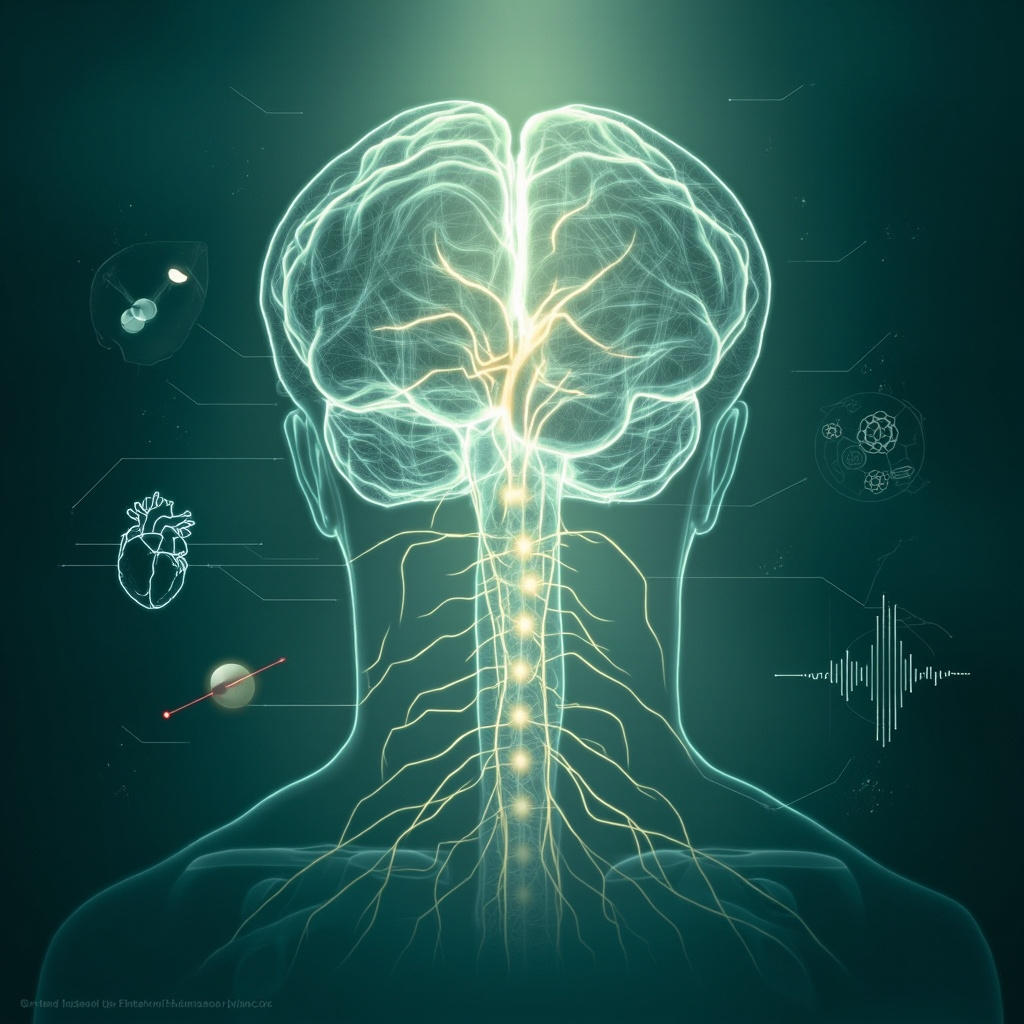
This vital function sits in the autonomic nervous system, mainly in the brainstem and spinal cord. It acts like an automatic adjuster for your blood pressure. When you face stress or physical effort, it tightens blood vessels and tweaks heart rate to keep pressure steady. Think of it as your body's behind-the-scenes guardian, ensuring blood flows where needed most.
In everyday terms, it helps you stand up without dizziness or power through a workout. For more details, see our glossary entry.
The Emotional Ties to This System
Emotions play a big role here. Feelings of fear, ongoing stress, or a sense of constant threat can overactivate this control. Your body shifts into 'fight or flight' mode, ramping up sympathetic activity. Over time, this leads to higher blood pressure, straining the heart and vessels.
Chronic emotional pressure, like unresolved worries, keeps the system on high alert. Studies link this to hypertension, where blood pressure stays elevated even at rest. On the flip side, balanced emotions support smooth regulation, fostering resilience.
Signs of Imbalance
Watch for these clues that your sympathetic control needs attention:
- Physical: High blood pressure (hypertension), low pressure (hypotension), or swings during stress.
- Emotional: Frequent anxiety, feeling on edge, or quick irritation under pressure.
- Daily impacts: Fatigue after minor stress, headaches, or poor exercise tolerance.
If unchecked, it raises risks for heart issues. Early awareness helps.
When It Acts as a Resource
At its best, this control supports your whole body. It delivers optimal blood flow and oxygen to organs during challenges, aiding their work. For example:
- Boosts heart efficiency under load.
- Ensures muscles and brain get fuel for action.
- Maintains overall stability, linking physical and emotional health.
Harnessing it builds resilience, turning stress into manageable energy.
Supporting Balance Through Mind-Body Practices
As a psychologist, I focus on emotional regulation to ease this system. Simple steps include:
- Mindfulness: Short daily breathing to calm the sympathetic response.
- HRV training: Exercises improving heart rate variability, a marker of stress adaptability.
- Cognitive tools: Reframing threats to reduce fear triggers.
In BioCoherence assessments, we measure its energy, agitation, and links. Personalized audio frequencies resonate with its core patterns for harmony. Guided sessions use words to engage it as a resource or priority, promoting calm.
Tracking progress via biomarkers shows real shifts in emotional well-being. Combine with lifestyle: regular walks, sleep, and social bonds.
Why It Matters for Your Journey
Mastering blood pressure sympathetic control bridges emotions and health. It empowers you to face life's pressures with steady vitality. Small, consistent practices yield lasting calm and strength.
This system reminds us: balance starts within, where mind meets body.
- 1. link.springer.com
- 2. nature.com
- 3. apa.org
- 4. nature.com
- 5. journals.sas.ac.uk
- 6. ahajournals.org
- 7. pmc.ncbi.nlm.nih.gov
- 8. semanticscholar.org
- 9. ahajournals.org
- 10. ahajournals.org
- 11. shdc.com.au
- 12. pmc.ncbi.nlm.nih.gov
- 13. pubmed.ncbi.nlm.nih.gov
- 14. ahajournals.org
- 15. research-repository.uwa.edu.au
- 16. uoguelph.ca
- 17. journals.physiology.org
- 18. apa.org
- 19. frontiersin.org
- 20. knowridge.com
- 21. pmc.ncbi.nlm.nih.gov
- 22. medicalxpress.com
- 23. nature.com
- 24. sciencedirect.com
- 25. healthline.com
- 26. sciencedaily.com
- 27. sciencedirect.com
- 28. verywellmind.com
- 29. wfmz.com
- 30. sanctuarywellnessspa.com
- 31. simplypsychology.org
- 32. frontiersin.org
- 33. journals.physiology.org
- 34. cell.com
- 35. youtube.com
- 36. health.yahoo.com
- 37. pmc.ncbi.nlm.nih.gov
- 38. physoc.org
- 39. health.harvard.edu
- 40. pmc.ncbi.nlm.nih.gov
- 41. hmlfunctionalcare.com
- 42. my.clevelandclinic.org
- 43. news.fiu.edu
Related posts
Glossary
- Energy and mind Structures > oxygen
- Energy and mind Structures > Focused Coherence; Focus
- Energy and mind Structures > Regulation
- Energy and mind Structures > Mental
- Energy and mind Structures > Tolerance
- Body zones > Blood pressure sympathetic control
- Body zones > kidneys
- Body zones > muscles
- Body zones > face
- Energy and mind Structures > Organs
- TCM Recipes > Stress Relief for High Blood Pressure: A TCM Approach
- TCM Recipes > Heart Health: Remedies for Anxiety and Palpitations
- TCM Recipes > Boost Your Energy: A TCM Recipe for Fatigue Relief
- Energy and mind Structures > sleep
- Energy and mind Structures > vitality
- Energy and mind Structures > blood pressure
- Energy and mind Structures > VLF; Sympathetic activity
- Energy and mind Structures > Stress
- Stimuli > Moon - Nasal Passage, Breathing, Taste
- Binaural beats > Spinal Cord Support: Enhance Wellness and Emotional Balance
- Binaural beats > Blood Vessels & Arteries: Boost Circulation & Well-Being
- Stimuli > Harmony
- Stimuli > Blood
see also...
- Energy and mind Structures > HRV
- Energy and mind Structures > Body zones > thoracic
- Energy and mind Structures > TCM Recipes > Tension Headache Relief: A Natural Approach to Ease Stress
- Testimonials > 61% Drop in Nausea and 58% in Headaches from Sound Therapy
- Binaural beats > Stimuli > Variolinum
- Binaural beats > Blood Vessels & Arteries: Boost Circulation & Well-Being