


Emotional Balance: Key to Deep Sleep Recovery
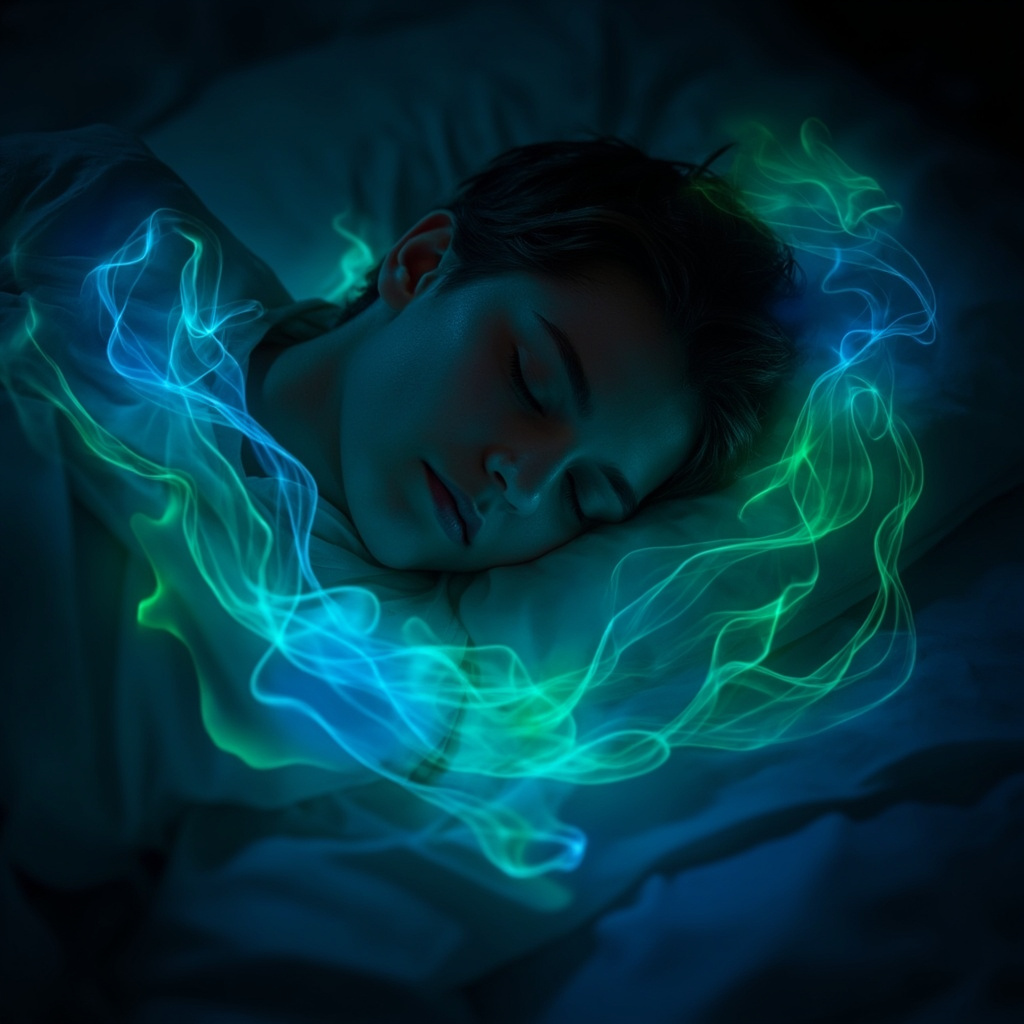
Understanding Emotional Balance
Emotional balance refers to a steady inner state where feelings flow without overwhelming you. It is like a calm sea rather than stormy waves. This balance helps manage daily ups and downs, keeping stress low and resilience high. In BioCoherence terms, it shows up as a key biomarker in your body's electrical signals-see the glossary entry for details.
When in harmony, emotional balance acts as a resource. It lowers anxiety, supports organ function, and boosts overall health. Without it, small triggers can lead to big reactions, draining your energy.
How Emotional Balance Links to Sleep
Sleep relies on your body's natural rhythms, including circadian balance and heart rate variability (HRV). Emotional balance plays a central role here. Stable emotions activate the parasympathetic nervous system-the 'rest and digest' mode-allowing deep recovery stages.
Imbalanced emotions raise cortisol, the stress hormone. High cortisol at night disrupts melatonin, delays sleep onset, and fragments rest. Poor HRV, a sign of stress, worsens this cycle. Over time, it leads to fatigue, even after hours in bed.
Recent studies confirm this connection. University students with lower emotional clarity and repair skills had poorer sleep quality. They struggled more with sleep latency-falling asleep-and disturbances. This highlights how emotion regulation directly impacts rest.
Signs of Emotional Imbalance Affecting Sleep
Watch for these common signals:
- Racing thoughts at bedtime
- Waking up moody or irritable
- Daytime anxiety spilling into night
- Variable energy levels, despite sleep
- Tension in breathing patterns
These point to underlying agitation in emotional centers, detectable in biomarkers like stress indices and relaxation markers.
Benefits of Restoring Emotional Balance
A balanced emotional state transforms sleep:
- Deeper recovery: More time in slow-wave sleep for tissue repair and memory consolidation.
- Stable HRV: Smoother heart rhythms for calm nights.
- Hormonal harmony: Balanced cortisol and melatonin for aligned circadian rhythm.
Users report feeling refreshed, with clearer minds and steady energy. It builds resilience against daily stressors, enhancing vitality and clarity.
Practical Steps to Cultivate Balance
Start small for lasting change:
- Breathing practices: Try 4-7-8 breathing-inhale 4 seconds, hold 7, exhale 8. This boosts parasympathetic activity.
- Evening wind-down: Journal three gratitudes to shift focus from worries.
- Daylight exposure: Morning light sets circadian cues, stabilizing mood.
- Guided relaxation: Short sessions targeting emotional centers promote harmony.
Track progress with sleep logs. Notice improvements in onset time and morning mood.
Breathing and Emotional Harmony
Your breath bridges emotions and sleep. Shallow breathing from stress limits oxygen, fueling agitation. Deep, diaphragmatic breaths expand lung capacity, calm nerves, and signal safety to the brain.
Practice: Lie down, hand on belly, breathe so it rises first. Aim for 5-10 minutes before bed. Over weeks, this enhances emotional balance, HRV, and sleep depth.
Final Thoughts on Recovery
Prioritizing emotional balance unlocks true restorative sleep. It is not just about hours slept, but quality recovery. As a sleep coach, I see it time and again: balanced emotions lead to aligned biology.
Reflect: How steady do your evenings feel? Small shifts today build deep rest tomorrow.
- 1. pubmed.ncbi.nlm.nih.gov
- 2. goldenthreadholistics.au
- 3. youtube.com
- 4. cfnmedicine.com
- 5. bettersleepgear.com
- 6. insighttimer.com
- 7. pmc.ncbi.nlm.nih.gov
- 8. pmc.ncbi.nlm.nih.gov
- 9. youtube.com
- 10. youtube.com
- 11. geneonline.com
- 12. cdc.gov
- 13. youtube.com
- 14. pmc.ncbi.nlm.nih.gov
- 15. youtube.com
- 16. instagram.com
- 17. youtube.com
- 18. sleep.hms.harvard.edu
- 19. pmc.ncbi.nlm.nih.gov
- 20. youtube.com
- 21. voguearabia.com
- 22. youtube.com
- 23. pmc.ncbi.nlm.nih.gov
- 24. pmc.ncbi.nlm.nih.gov
- 25. youtube.com
- 26. pmc.ncbi.nlm.nih.gov
- 27. frontiersin.org
- 28. youtube.com
- 29. pmc.ncbi.nlm.nih.gov
- 30. youtube.com
- 31. instagram.com
- 32. pmc.ncbi.nlm.nih.gov
- 33. pmc.ncbi.nlm.nih.gov
- 34. youtube.com
Related posts
Glossary
- Energy and mind Structures > oxygen
- Energy and mind Structures > Focused Coherence; Focus
- Energy and mind Structures > Regulation
- Energy and mind Structures > Memory
- Body zones > nerves
- Body zones > parasympathetic
- TCM Recipes > Emotional Balance: A TCM Guide to Calm Anxiety & Insomnia
- TCM Recipes > Heart Health: Remedies for Anxiety and Palpitations
- TCM Recipes > Lung Support: A TCM Recipe for Respiratory Health
- TCM Recipes > Brain Boost: Clear Fog, Improve Focus & Memory
- TCM Recipes > Boost Your Energy: A TCM Recipe for Fatigue Relief
- Energy and mind Structures > sleep
- Energy and mind Structures > emotional balance
- Energy and mind Structures > Stress
- Stimuli > Cortisol
- Stimuli > Moon - Nasal Passage, Breathing, Taste
- Stimuli > Lead
- Stimuli > Harmony
- Stimuli > Melatonin