


Head Perception: Clarity for Restful Sleep
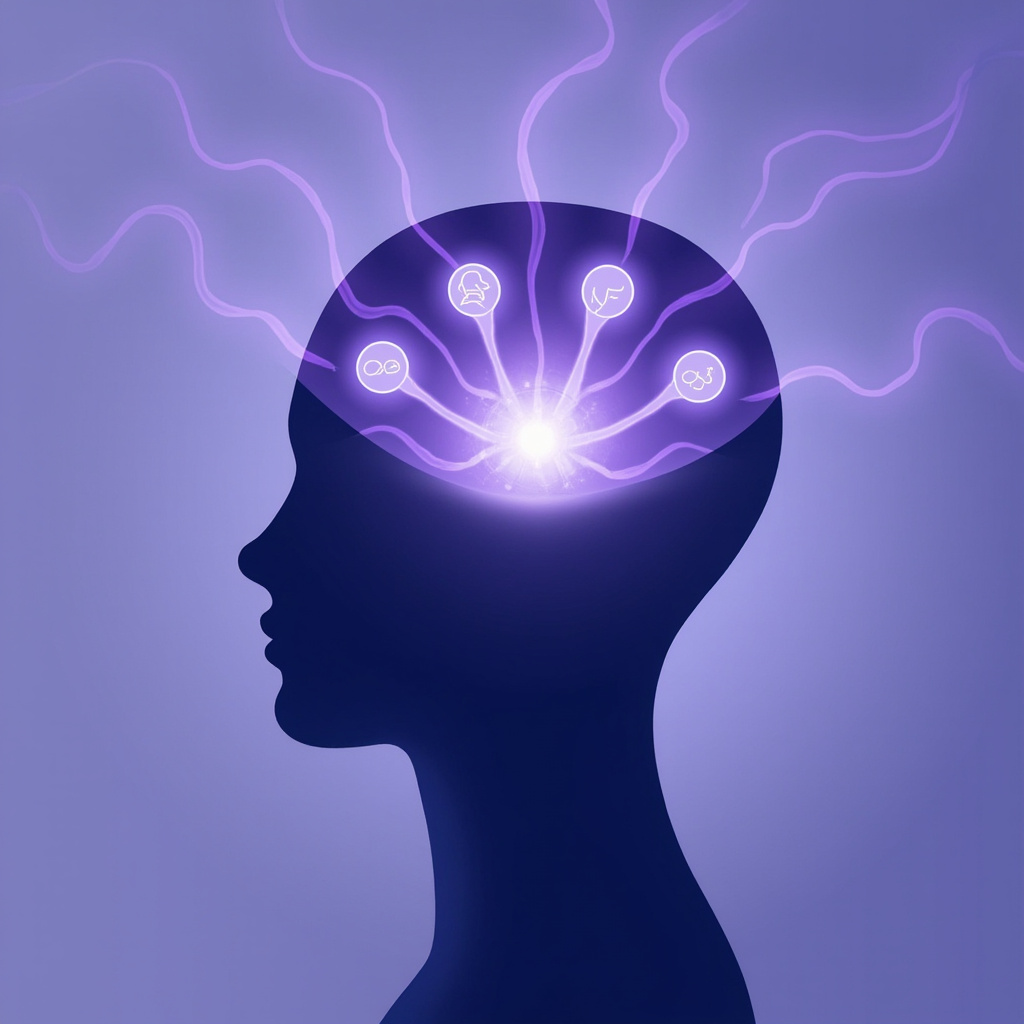
Our ability to perceive the world through our senses-sight, sound, touch, smell, and taste-starts in the head, perception system. This key area helps process incoming information smoothly, supporting mental clarity and focus. When working well, it filters distractions and promotes a calm mind, essential for winding down at night.
What Makes Head, Perception Vital?
In simple terms, head, perception regulates how sensory signals reach the brain. It acts like a gentle gatekeeper, ensuring we notice what matters without being overwhelmed. Think of it as the foundation for sharp awareness during the day and quiet reflection in the evening.
When balanced, this system boosts overall harmony. It supports organ function, emotional steadiness, and even energy flow between body parts. For sleep seekers, a strong head, perception means better body awareness-recognizing when tension builds or breath slows, signaling readiness for rest.
How Imbalances Disrupt Sleep
Trouble here often shows as sensory overload. Bright lights feel piercing, noises grate, and thoughts race unchecked. This heightens stress hormones like cortisol, disrupting circadian rhythm and heart rate variability (HRV)-measures of your body's relaxation capacity.
High sensitivity to stimuli can mimic sensory processing sensitivity (SPS), where people react strongly to their environment. Recent research on over 800 adults found those with higher SPS report worse sleep quality and more stress. Poor sleep then harms physical and mental health, creating a cycle: overload leads to shallow rest, fatigue sharpens sensitivity, and round it goes.
Common signs include:
- Difficulty falling asleep amid evening buzz
- Waking to minor sounds or lights
- Daytime fog from unrested nights
- Elevated tension affecting breathing patterns
These patterns lower HRV, a marker of recovery. Low HRV signals your nervous system stays in alert mode, blocking deep sleep stages where true restoration happens.
Head, Perception as a Restorative Resource
View head, perception as an ally for energy restoration. When called upon, it sharpens focus on calming inputs-like soft breathing or dim surroundings-while dimming chaos. This fosters parasympathetic activation, the rest-and-digest state ideal for sleep.
In practice, it enhances:
- Emotional balance: Quiets overthinking for peaceful evenings
- Breathing patterns: Deeper breaths improve oxygen flow and HRV
- Circadian alignment: Better cues from light and body signals
Balanced perception helps spot sleep thieves early, like caffeine timing or screen glare, leading to biologically tuned rest.
Insights from Recent Studies
A 2024 study highlighted how SPS boosts stress (correlation r=0.344) and sleep issues (r=0.242), indirectly hurting health. High perceivers amplify threats, spiking arousal that lingers into night. This underscores why tuning perception matters for stress and relaxation.
Another angle: Sleep reactivity-how easily stress disrupts rest-links sensitivity to insomnia. Addressing perception breaks this, improving HRV and vitality.
Steps to Support Head, Perception for Better Sleep
Start small for noticeable shifts:
- Evening dim-down: Lower lights 2 hours before bed to ease sensory input.
- Breath focus: Inhale for 4 counts, exhale 6-trains calm perception.
- Noise filter: White noise or earplugs for subtle protection.
- Body scan: Lie down, notice sensations without judgment; builds clarity.
- Daylight rule: Morning sun sets circadian clock, balancing night perception.
Track progress with sleep logs or HRV apps. Over weeks, expect deeper recovery, less fatigue, and brighter mornings.
Balancing head, perception unlocks profound sleep. It turns sensory life from burden to boon, aligning body and mind for renewal. Embrace this gateway to clarity and rest.
- 1. facebook.com
- 2. mdpi.com
- 3. pubmed.ncbi.nlm.nih.gov
- 4. lumierechild.com
- 5. pmc.ncbi.nlm.nih.gov
- 6. onlinelibrary.wiley.com
- 7. scribd.com
- 8. quora.com
- 9. pmc.ncbi.nlm.nih.gov
- 10. medlink.com
- 11. pmc.ncbi.nlm.nih.gov
- 12. pmc.ncbi.nlm.nih.gov
- 13. scribd.com
- 14. journalcra.com
- 15. academic.oup.com
- 16. reddit.com
- 17. nature.com
- 18. frontiersin.org
- 19. pmc.ncbi.nlm.nih.gov
- 20. mdpi.com
- 21. sciencedirect.com
- 22. journals.plos.org
- 23. researchgate.net
- 24. journals.physiology.org
- 25. ahajournals.org
- 26. research.aota.org
- 27. connect.humber.nhs.uk
- 28. dokumen.pub
- 29. my.clevelandclinic.org
- 30. thecenterforconnection.org
- 31. namisantaclara.org
- 32. frontiersin.org
- 33. youtube.com
- 34. journals.plos.org
- 35. linkedin.com
- 36. nature.com
- 37. scribd.com
- 38. pubmed.ncbi.nlm.nih.gov
- 39. pmc.ncbi.nlm.nih.gov
- 40. pmc.ncbi.nlm.nih.gov
- 41. med.stanford.edu
- 42. mdpi.com
- 43. sensitivityresearch.com
- 44. sensoryintegrationeducation.com
- 45. alluremedical.com
- 46. quora.com
- 47. frontiersin.org
- 48. sciencedirect.com
Related posts
Glossary
- Energy and mind Structures > oxygen
- Energy and mind Structures > Focused Coherence; Focus
- Energy and mind Structures > Mental
- Energy and mind Structures > Clock
- Body zones > head
- TCM Recipes > Brain Boost: Clear Fog, Improve Focus & Memory
- TCM Recipes > Boost Your Energy: A TCM Recipe for Fatigue Relief
- Energy and mind Structures > sleep
- Energy and mind Structures > vitality
- Energy and mind Structures > Head, perception
- Energy and mind Structures > Stress
- Stimuli > Cortisol
- Stimuli > Moon - Nasal Passage, Breathing, Taste
- Binaural beats > Foundation of Security: Enhance Serenity and Well-Being
- Binaural beats > Nervous System: A Program for Emotional Balance and Relaxation
- Stimuli > Harmony
see also...
- Energy and mind Structures > HRV
- Energy and mind Structures > Body zones > head
- Energy and mind Structures > TCM Recipes > Tension Headache Relief: A Natural Approach to Ease Stress
- Testimonials > 61% Drop in Nausea and 58% in Headaches from Sound Therapy
- Binaural beats > Stimuli > Sacral, Zinc Etc
- Binaural beats > Transmutation: A Sound Journey for Personal Change