


Calmness: Gateway to Deep Sleep Recovery
What is Calmness?
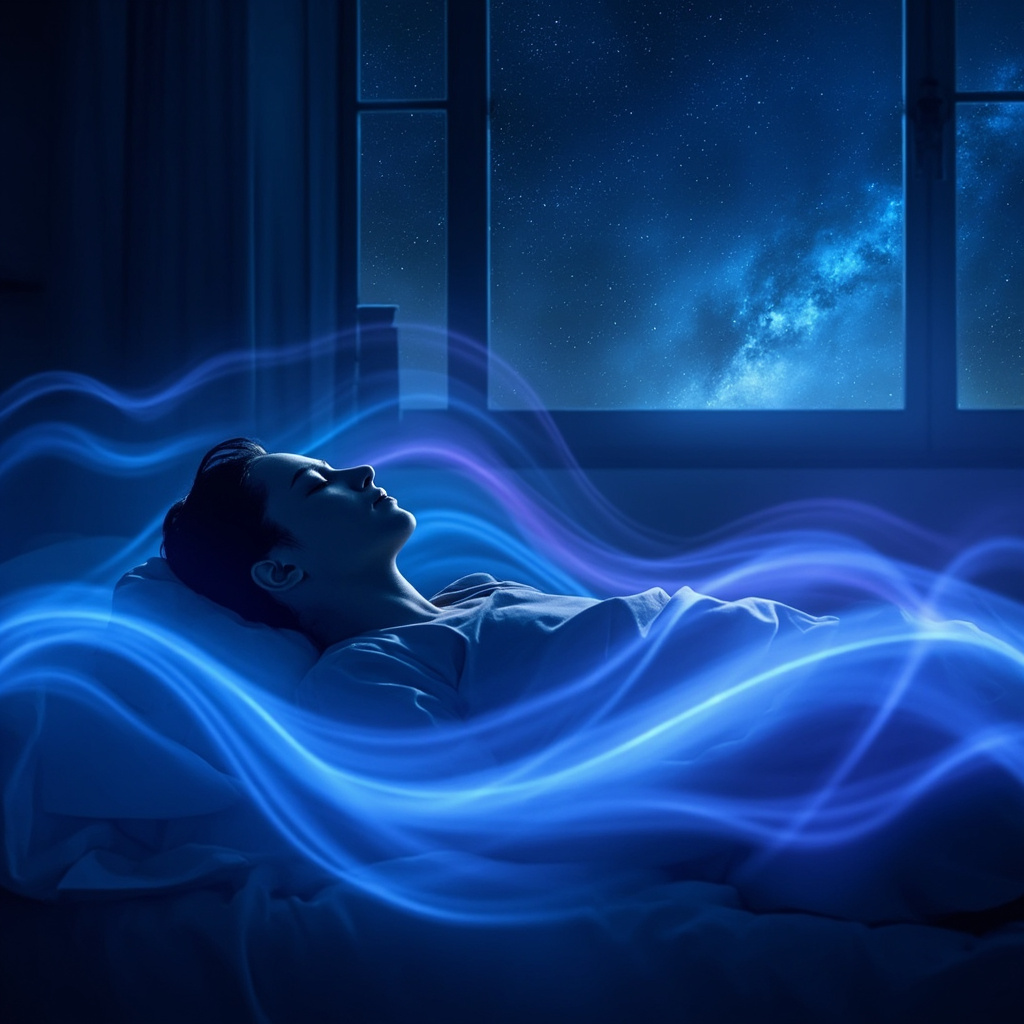
Calmness is a peaceful state free from agitation or disturbance. It brings a relaxed mind, inner balance, and composure. In everyday life, it feels like a quiet strength that steadies your emotions and body.
In BioCoherence assessments, Calmness appears as a key biomarker from your body's electrical signals. It reflects energy levels, agitation, and connections in your system. Learn more in the glossary.
Why Calmness Powers Better Sleep
Good sleep starts with ease. When you feel calm, falling asleep happens faster. Your body shifts into rest mode without the tug of daily worries.
Research backs this up. A 2026 study in Scientific Reports found that a short mindfulness program improved sleep efficiency, total sleep time, and heart rate variability (HRV). Participants slept deeper and lighter stages increased, with effects lasting weeks. HRV, a marker of recovery, rose during sessions. These changes stem from building calmness through focused practices.
As a sleep coach, I see calmness linking to circadian rhythm. It counters cortisol spikes that keep you wired at night. Low calmness disrupts melatonin flow, shortening deep sleep cycles where true restoration happens.
Calmness as a Resource for Health and Rest
Calmness goes beyond the mind. It eases stress tensions in organs, steadies moods, and smooths energy flow. Picture it supporting your breathing patterns for steady inhales during sleep.
When strong, calmness boosts acupuncture points and meridians, aiding overall balance. For sleep, it enhances energy recovery, reducing next-day fatigue. It quiets sympathetic nerves, letting parasympathetic rest take over.
In sessions like Harmonic Boosts or Personal Guides, calmness frequencies guide your body toward this state. Micro-currents in Harmonizer can reinforce it, aligning body signals for deeper rest.
Signs of Imbalanced Calmness
Watch for these clues:
- Racing thoughts at bedtime
- Tight muscles or shallow breaths
- Waking frequently, feeling unrested
- Daytime irritability or low energy
These point to agitation blocking sleep pathways. Biomarkers reveal it clearly, showing links to stress hormones or nervous system overload.
Practical Ways to Build Calmness
Start simple:
- Deep breathing: Inhale for 4 counts, hold 4, exhale 6. Do this pre-bed to lift HRV.
- Evening wind-down: Dim lights 1 hour before sleep to support circadian cues.
- Mindful moments: 10 minutes focusing on breath, as in the study, builds lasting calm.
- Body scan: Lie down, notice tensions, let them release.
Track progress with sleep logs or wearables. Over time, calmness becomes your sleep ally.
Long-Term Benefits
Cultivating calmness transforms nights. Expect shorter sleep onset, more deep sleep, and vibrant mornings. It balances hormones like cortisol and DHEA, fueling vitality.
Stable moods follow, breaking cycles of stress-sleep loops. Respiratory ease improves, reducing any breathing hitches. Energy restores fully, powering your day.
Make calmness a priority. Your body will thank you with profound, aligned rest.
- 1. medrxiv.org
- 2. clinicaltrials.gov
- 3. pmc.ncbi.nlm.nih.gov
- 4. open.spotify.com
- 5. linkedin.com
- 6. pubmed.ncbi.nlm.nih.gov
- 7. serendipitysounds.com
- 8. pubmed.ncbi.nlm.nih.gov
- 9. pmc.ncbi.nlm.nih.gov
- 10. sciencedirect.com
- 11. youtube.com
- 12. youtube.com
- 13. pubmed.ncbi.nlm.nih.gov
- 14. pubmed.ncbi.nlm.nih.gov
- 15. sleepfoundation.org
- 16. desmoinesregister.com
- 17. sleep.com
- 18. healthline.com
- 19. pennmedicine.org
- 20. document.resmed.com
- 21. uclahealth.org
- 22. m.economictimes.com
- 23. yogajala.com
- 24. pubmed.ncbi.nlm.nih.gov
- 25. foxnews.com
- 26. pmc.ncbi.nlm.nih.gov
- 27. soba.stanford.edu
- 28. sciencedirect.com
- 29. pubmed.ncbi.nlm.nih.gov
- 30. pubmed.ncbi.nlm.nih.gov
- 31. nature.com
- 32. ouraring.com
- 33. pubmed.ncbi.nlm.nih.gov
- 34. researchgate.net
- 35. drinkhappymynd.com
- 36. nypost.com
- 37. pubmed.ncbi.nlm.nih.gov
- 38. nature.com
- 39. biostrap.com
- 40. webmd.com
Related posts
Glossary
- Energy and mind Structures > Calmness
- Energy and mind Structures > Meridians
- Body zones > hormones
- Body zones > muscles
- Body zones > nerves
- Body zones > parasympathetic
- Body zones > respiratory
- Energy and mind Structures > Organs
- Energy and mind Structures > Acupuncture points
- TCM Recipes > Heart Health: Remedies for Anxiety and Palpitations
- TCM Recipes > Boost Your Energy: A TCM Recipe for Fatigue Relief
- Energy and mind Structures > sleep
- Energy and mind Structures > vitality
- Energy and mind Structures > Stress
- Stimuli > Cortisol
- Stimuli > Rose
- Stimuli > Moon - Nasal Passage, Breathing, Taste
- Binaural beats > Nervous System: A Program for Emotional Balance and Relaxation
- Stimuli > Melatonin
see also...
- Energy and mind Structures > HRV
- Energy and mind Structures > Body zones > amino acids
- Energy and mind Structures > TCM Recipes > Tension Headache Relief: A Natural Approach to Ease Stress
- Testimonials > 61% Drop in Nausea and 58% in Headaches from Sound Therapy
- Binaural beats > Stimuli > Melatonin
- Binaural beats > Transmutation: A Sound Journey for Personal Change