


Power: Vago-Sympathetic Key to Deep Sleep
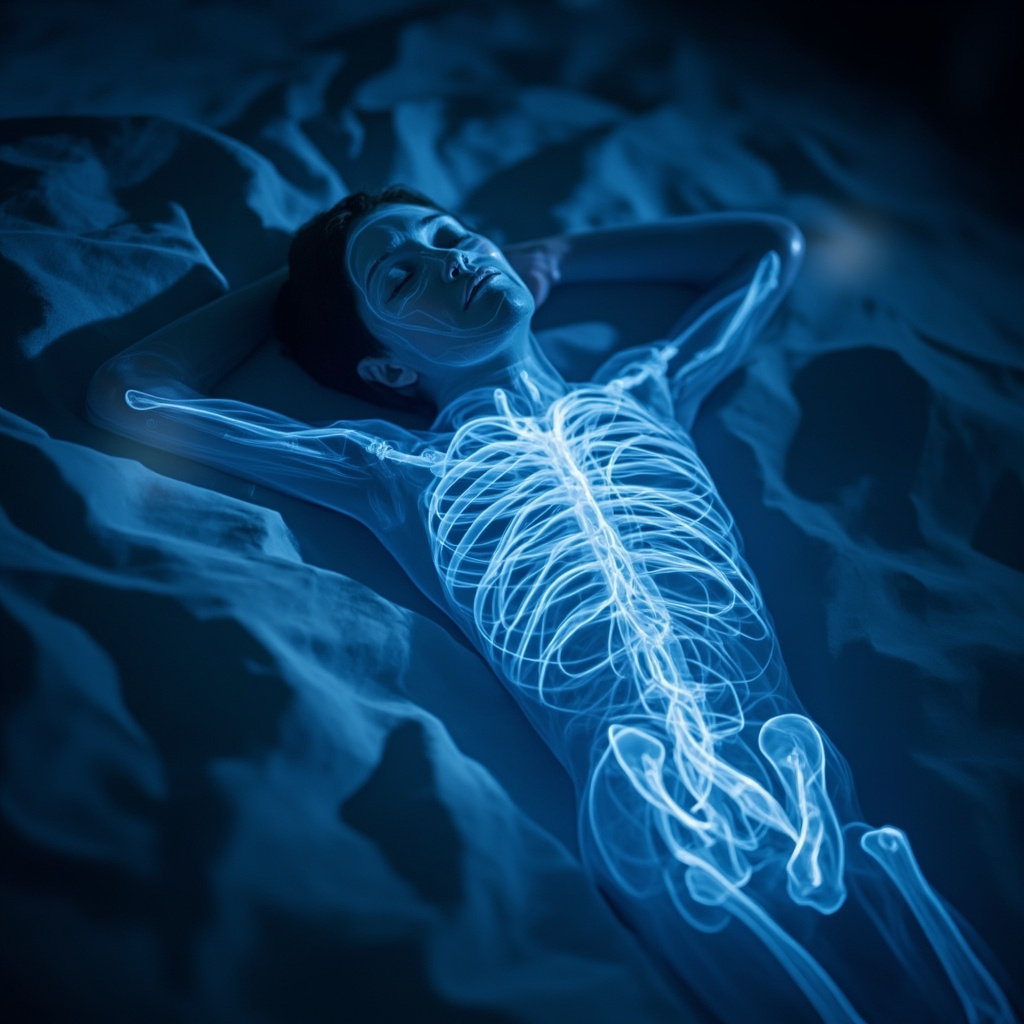
Your nervous system switches between two main states. The sympathetic mode kicks in during stress or activity, speeding up your heart and preparing you for action. The parasympathetic mode, led by the vagus nerve, promotes rest, digestion, and recovery. Power (vago-sympathetic interaction) measures this balance. It comes from heart rate variability (HRV), the natural ups and downs in time between heartbeats. In simple terms, it is the LF/HF ratio: low frequency (LF) linked to sympathetic activity and some parasympathetic, high frequency (HF) mainly parasympathetic. A higher ratio means more stress dominance; a lower one means better rest mode. Learn more in the glossary.
Why Power Matters for Sleep
Deep sleep relies on parasympathetic dominance. Your body repairs tissues, restores energy, and resets hormones like cortisol. A balanced Power supports this shift at night. Studies show even one night of poor sleep raises the LF/HF ratio, signaling ongoing stress activation. Short sleep under six hours links to higher ratios around 1.45, showing sympathetic overdrive. Normal sleep of six to eight hours keeps it lower, near 1.10, for better recovery.
This imbalance prevents true rest. Your circadian rhythm, the body's inner clock, struggles. Morning fatigue lingers because energy isn't fully restored. Over time, it affects mood, immunity, and vitality.
Signs of Power Imbalance
Watch for these common clues:
- Waking tired despite enough hours in bed
- Racing thoughts at bedtime
- Slow recovery after exercise or stress
- Afternoon slumps or irritability
- Shallow breathing patterns
These point to sympathetic holdover into rest time. HRV drops overall, confirming poor adaptability.
Power as a Resource for Balance
When in good shape, Power helps regulate organs, emotions, and energy flow. It aligns your whole system for calm. In assessments like those from electrical activity recordings, strong Power acts as a shield against stress spillover into sleep.
Practical Steps to Support Power Balance
You can influence this daily:
Breathing Exercises
Deep belly breaths activate the vagus nerve. Try 4-7-8 breathing: inhale four seconds, hold seven, exhale eight. Do this for five minutes before bed to lower LF/HF.
Evening Routines
Dim lights an hour before sleep to boost melatonin and parasympathetic shift. Avoid screens; blue light spikes sympathetic activity.
Movement Timing
Morning walks build resilience. Evening yoga or gentle stretches promote rest mode without overstimulating.
Nutrition Ties
Foods rich in magnesium, like leafy greens and nuts, support HRV. Limit caffeine after noon to prevent ratio spikes.
Monitor Progress
Track sleep quality and energy. Tools measuring HRV give insights into your Power trends.
Recent research on young adults confirms: longer sleep enhances parasympathetic power, cutting cardiovascular risks early. Sleep deprivation studies echo this, with LF/HF climbing fast, blocking recovery.
Linking to Circadian Health
Cortisol peaks in morning for wakefulness, dips at night. Power imbalance keeps it elevated, fragmenting sleep. Balanced Power syncs this rhythm, ensuring deep stages where true healing happens.
As your sleep coach, I focus on these patterns. Restorative sleep isn't just hours; it's quality driven by autonomic harmony. Tune into your Power for lasting vitality.
- 1. cinc.org
- 2. academic.oup.com
- 3. oatext.com
- 4. nature.com
- 5. pmc.ncbi.nlm.nih.gov
- 6. en.wikipedia.org
- 7. japi.org
- 8. youtube.com
- 9. ahajournals.org
- 10. physoc.org
- 11. academic.oup.com
- 12. pmc.ncbi.nlm.nih.gov
- 13. pubmed.ncbi.nlm.nih.gov
- 14. link.springer.com
- 15. help.elitehrv.com
- 16. researchgate.net
- 17. noduslabs.com
- 18. pmc.ncbi.nlm.nih.gov
- 19. pmc.ncbi.nlm.nih.gov
- 20. frontiersin.org
- 21. pubmed.ncbi.nlm.nih.gov
- 22. tandfonline.com
- 23. pmc.ncbi.nlm.nih.gov
- 24. nature.com
- 25. pubmed.ncbi.nlm.nih.gov
- 26. academic.oup.com
- 27. pmc.ncbi.nlm.nih.gov
- 28. academic.oup.com
- 29. publications.ersnet.org
- 30. researchgate.net
- 31. sciencedirect.com
- 32. jcsm.aasm.org
- 33. pmc.ncbi.nlm.nih.gov
- 34. esmed.org
- 35. journals.physiology.org
- 36. neuvanalife.com
- 37. sciencedirect.com
- 38. frontiersin.org
- 39. cmegeriatricmed.co.uk
- 40. pubmed.ncbi.nlm.nih.gov
- 41. sciencedirect.com
- 42. traumatherapistinstitute.com
- 43. pmc.ncbi.nlm.nih.gov
- 44. brain.harvard.edu
- 45. nature.com
- 46. igminresearch.jp
- 47. frontiersin.org
- 48. pmc.ncbi.nlm.nih.gov
- 49. massgeneral.org
Related posts
Glossary
- Energy and mind Structures > magnesium
- Energy and mind Structures > Focused Coherence; Focus
- Energy and mind Structures > Clock
- Energy and mind Structures > Immunity
- Energy and mind Structures > Power (vago-sympathetic interaction)
- Body zones > hormones
- Body zones > parasympathetic
- Body zones > tissues
- Energy and mind Structures > Organs
- TCM Recipes > Heart Health: Remedies for Anxiety and Palpitations
- TCM Recipes > Boost Your Energy: A TCM Recipe for Fatigue Relief
- Energy and mind Structures > sleep
- Energy and mind Structures > vitality
- Energy and mind Structures > movement
- Energy and mind Structures > Digestion
- Energy and mind Structures > VLF; Sympathetic activity
- Energy and mind Structures > Stress
- Stimuli > Cortisol
- Stimuli > Moon - Nasal Passage, Breathing, Taste
- Binaural beats > Nervous System: A Program for Emotional Balance and Relaxation
- Stimuli > Harmony
- Stimuli > Melatonin
see also...
- Energy and mind Structures > HRV
- Energy and mind Structures > Body zones > bones
- Energy and mind Structures > TCM Recipes > Tension Headache Relief: A Natural Approach to Ease Stress
- Binaural beats > Stimuli > Melatonin
- Binaural beats > Transmutation: A Sound Journey for Personal Change
- Testimonials > 61% Drop in Nausea and 58% in Headaches from Sound Therapy